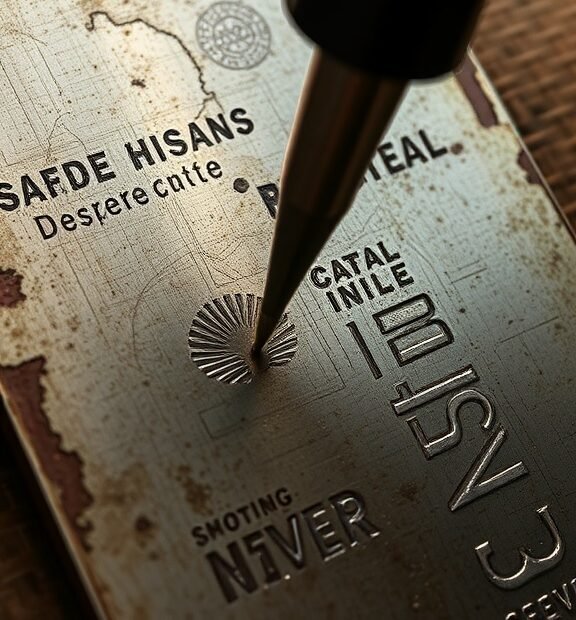
Can You Engrave Metal with a Soldering Iron? Techniques and Tips
When it comes to customizing metal objects, you might wonder, can you engrave metal with a soldering iron? The answer is yes! While soldering irons are primarily designed for joining electrical components, you can also use them creatively to engrave metal surfaces. This method is particularly appealing for DIY enthusiasts looking for a cost-effective way to personalize items.
Engraving metal with a soldering iron requires some basic techniques and the right materials. Although it might not yield the same precision as professional engraving tools, it can still produce beautiful, dramatic effects on various metal surfaces. Here are some tips and techniques to help you get started.
First, let’s look at the type of soldering iron you’ll need. Not all soldering irons are created equal. Here are a few things to consider:
- Wattage: Choose a soldering iron with a wattage between 25 to 50 watts. This range provides the heat necessary for engraving while being manageable for detailed work.
- Soldering Tip: Use a fine tip for more intricate designs. A chisel or a spatula tip works well for larger engravings.
- Adjustable Temperature: If possible, select a soldering iron that allows temperature adjustments to prevent overheating, which can cause unwanted damage to the metal.
Once you’ve selected the right soldering iron, prepare your workspace. Here are suggestions to make the process smoother:
- Safety Gear: Wear safety glasses to protect your eyes from metal debris and gloves to prevent burns.
- Stable Surface: Work on a sturdy, flat surface. A wooden table or a metal workbench is ideal.
- Ventilation: Ensure good ventilation, especially if you’re working with coated metals, to avoid inhaling any fumes.
Now, let’s discuss the actual engraving process. Start by selecting a design or pattern that you want to engrave. You can draw it on paper or directly onto the metal using a pencil or a permanent marker. Here’s how you can begin:
- Preheat the Soldering Iron: Plug in your soldering iron and let it heat up. This process could take a few minutes, so be patient.
- Test on Scrap Metal: Before you start on your main piece, practice on a scrap piece of similar metal to get a feel for the tools and technique.
- Engrave Slowly: Hold the soldering iron at a comfortable angle and apply it gently to the metal. Move slowly to allow for even engraving. Do not press too hard; let the heat do the work.
- Work in Sections: Break your design into smaller sections to maintain control and precision, especially for intricate designs.
- Experiment with Techniques: Try varying your speed and pressure to create different depths and effects in the engraving. You can create shading by adjusting these factors.
After finishing your engraving, allow the metal to cool completely before handling. You can then clean the engraved area to remove any residue or oxidation caused by the heat. Use a soft cloth or a brush to gently wipe the design.
Engraving with a soldering iron is not only a fun project but also a great way to personalize gifts. You can engrave items like metal jewelry, tools, or decorative pieces. Consider experimenting with different metals, such as brass or aluminum, both of which work well with this technique.
If you want to achieve a professional look, you may want to invest in some finishing techniques. Polishing the engraved area or applying a protective coat can help enhance the design and protect the metal from wear over time.
Using a soldering iron for metal engraving can be a rewarding and creative process. With the right tools, techniques, and a bit of practice, you can create stunning engravings that reflect your unique style. So gather your materials, unleash your creativity, and see what amazing designs you can come up with! Engraving metal with a soldering iron can open up a world of possibilities for DIY projects and customizations, making it a valuable skill for any craftsperson.
Comparing Engraving Methods: Soldering Iron vs. Traditional Engravers
When it comes to engraving metal, you often find yourself weighing different methods to achieve the results you desire. Among the popular techniques are using a soldering iron and traditional engravers. Both methods have their benefits and challenges, making it essential to understand their differences to choose the right one for your projects.
Using a soldering iron for engraving allows for a more hands-on approach, making it an appealing option, particularly for those who are already familiar with the tool. The soldering iron utilizes heat to create designs on metal surfaces. This method effectively burns the material in a pattern that resembles engraving. It is particularly useful for soft metals, such as copper or aluminum, where the heat can easily imprint your design. However, it can also be used on harder materials with the right technique and care.
One of the main benefits of using a soldering iron is accessibility. Many hobbyists already own soldering irons for electronics projects, making this option a low-cost alternative for type of engraving. Here are some pros of using a soldering iron:
- Cost-effective: No need to purchase specialized engraving equipment.
- Portability: Easy to carry around and operate in various settings.
- Child-friendly options: Can be a fun introduction to engraving for older kids and teens.
- Versatility: Suitable for different types of metals, particularly softer ones.
However, there are a few limitations to consider with the soldering iron method. One of the most significant drawbacks is that the detail level can be limited. Since you’re essentially burning the design into the metal, small, intricate details may not come out as cleanly as with other methods. The heat can also spread, leading to unwanted burning or discoloration around the targeted area.
On the other hand, traditional engraving involves the use of specialized tools like engraving pens, rotary tools, or even lasers. These methods provide a much more polished finish and can achieve higher levels of detail. If you desire crisp lines and intricate patterns, traditional engraving techniques are usually the better choice.
Some notable advantages of traditional engraving include:
- Precision: Traditional engravers allow for more control, resulting in finer details.
- Variety of techniques: Options like hand engraving, rotary engraving, and laser engraving can suit different needs.
- Professional quality: Ideal for creating items to sell or keep as treasured gifts.
- Durability: Engravings from traditional methods tend to last longer on many metal surfaces.
Despite these advantages, traditional engraving can also have its downsides. The primary concern is the cost. Engraving tools and machines, especially laser engravers, can be expensive. You also need more space and setup time, making it less convenient for quick projects. Additionally, traditional methods may require more skill and practice to master, especially if you’re hand engraving or using a rotary tool.
When deciding between a soldering iron and traditional engravers, consider the following:
- Project type: If you are creating simple designs on soft metals, a soldering iron may suffice.
- Detail required: For intricate and high-quality work, traditional engraving is the way to go.
- Budget: Weigh the costs of tools versus the frequency of use to determine the most cost-effective approach.
- Experience: If you’re a beginner, starting with a soldering iron might help you grasp the basics before advancing to more complex techniques.
Ultimately, both soldering iron and traditional engraving methods have their unique advantages. Your choice will largely depend on your specific needs, experience level, and available resources. Whether you prefer the ease and accessibility of a soldering iron or the precision and versatility of traditional engravers, understanding these differences will help you make an informed decision for your engraving projects.
Conclusion
Engraving metal with a soldering iron can be a rewarding experience, especially for those seeking a DIY solution. The techniques you can apply, such as controlling the temperature and practicing on scrap metal, greatly influence the quality of your work. While a soldering iron may not provide the same level of precision or detail as traditional engravers, it offers flexibility and a chance to personalize items in a way that’s both simple and creative.
When weighing your options between using a soldering iron and sticking with traditional engraving tools, consider your project’s requirements and your level of comfort with each method. Traditional engravers excel at achieving intricate designs and are the go-to choice for professional results, but they often come with a cost and learning curve. A soldering iron, on the other hand, opens doors for quick adjustments and spontaneous creativity, making it an excellent choice for hobbyists and casual projects.
Ultimately, the choice between these two methods boils down to your individual needs and the specific application you have in mind. Whether you decide to use a soldering iron for casual engraving or opt for a traditional method for detailed work, remember that the most important element is your enthusiasm and creativity. With practice and patience, you can create beautiful engraved pieces that reflect your unique style, no matter which method you choose. Embrace the journey of exploration in metal engraving, and let your imagination guide you as you bring your ideas to life.