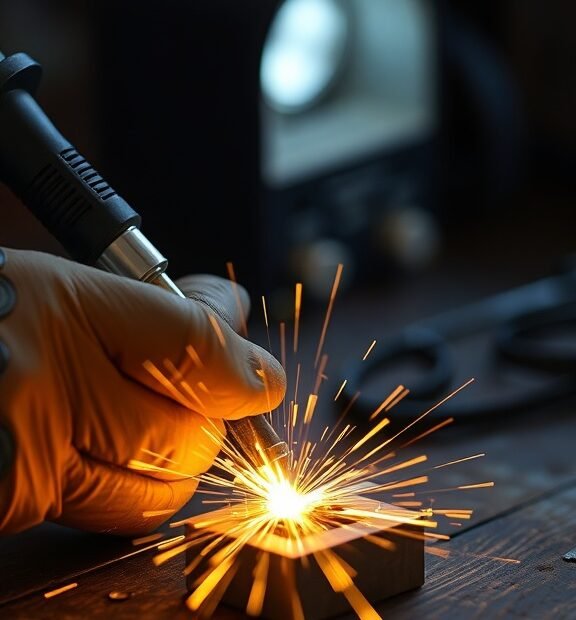
Can You Braze with a Soldering Iron? Exploring the Techniques and Limitations
If you’re diving into the world of metal joining, you might wonder: can you braze with a soldering iron? While it’s true that soldering and brazing share some similarities, they have distinct differences that affect how and when to use each method. Understanding these variations can help you make informed decisions for your projects.
Brazing is a process that joins metals using a filler metal that has a melting point above 450°C (842°F). This method requires a higher temperature than soldering, which usually involves filler metals that melt at lower temperatures. As such, using a soldering iron—a tool designed primarily for soldering, which operates at lower temperatures—may not yield successful results in brazing.
Understanding Soldering versus Brazing:
- Soldering: Typically involves the use of tin-lead or lead-free solder which melts below 450°C. It’s often used for electronics and thinner metal sheets.
- Brazing: Utilizes a higher melting point filler like brass or bronze, and is suited for thicker metals or components that need to withstand greater stress.
So, can you braze with a soldering iron? The short answer is, it’s not advisable. Here are some reasons why:
- Temperature Limitations: A standard soldering iron usually reaches temperatures of 350°C to 450°C. This is not sufficient for melting most brazing alloys, which require higher heat.
- Heat Distribution: A soldering iron is designed for precision applications and localized heating, while brazing often calls for broader heat application to properly join the metals.
- Filler Material Compatibility: The filler materials used for brazing are essential for creating strong, durable joints. Soldering irons typically can’t achieve the necessary conditions for these filler metals to flow properly and bond effectively.
That said, there are specific scenarios where a soldering iron might help with low-temperature brasings, such as with special brazing alloys that have been formulated to work at lower melting points. These are less common and typically not as strong as standard brazing methods. However, if you’re exploring these options, ensure you carefully check the specifications of the materials you are using.
Alternative Methods:
- Using a Torch: A propane torch or a specialized brazing torch allows for the high heat needed for effective brazing. This method evenly distributes heat across the metals to ensure a solid bond.
- Induction Heating: This is a modern method that creates heat through electromagnetic induction. It provides precise and even heating, making it a favorite for industrial applications.
- Furnace Heating: For larger pieces or multiple joints, using a furnace allows for controlled heating and can produce very strong bonds.
In addition to choosing the right method, preparation is critical in any metal joining process. Surface cleaning, proper fit-up, and the right amount of filler material all contribute to the success of brazing. When using methods other than soldering irons, ensure your hands and work area are safe and secure.
If you’re new to the world of metalwork, it’s helpful to practice traditional soldering techniques before attempting brazing. Gaining skills with easier methods can build your confidence and help you grasp the necessary controls required for higher temperature tasks.
While using a soldering iron for brazing is generally not advisable due to temperature limitations and the nature of the metals being joined, it’s essential to understand the differences between the two methods. If you find yourself needing to braze, consider investing in the right tools and materials for the job. This will ensure your projects are completed successfully and with integrity.
Comparing Brazing and Soldering: Which Method is Right for Your Project?
When you’re working on metal projects, two common methods you’ll encounter are brazing and soldering. Both methods are used to join metal pieces together, but they have distinct differences that can impact the success of your project. Understanding these differences is key to choosing the right method for your specific needs.
Brazing involves using a filler metal with a melting point above 840°F (450°C). This technique is suitable for a variety of metals, including steel and copper, and it creates strong, durable joints. In contrast, soldering utilizes a filler metal that melts below 840°F. Soldering is often used for more delicate tasks, like electronics or plumbing, where high heat could damage components. The first step in deciding between these techniques is identifying the materials you’re working with and the heat requirements of your project.
Comparing Strength and Durability
One of the primary differences between brazing and soldering is the strength of the completed joint. Brazing creates a bond that is generally stronger than a soldered joint, making it ideal for applications that require durability. Here are some key points about strength and durability in both methods:
- Brazing: The resultant joint can withstand considerable stress and is often resistant to high temperatures and corrosion.
- Soldering: While sufficient for many projects, soldered joints may not offer the same strength as brazed connections. They are more suitable for low-stress applications.
Working Temperature
Temperature plays a crucial role in choosing between brazing and soldering. Each method has specific heat requirements that should be taken into account. Here’s a comparison:
- Brazing Temperature: Typically ranges from 1,000°F to 2,000°F (540°C to 1,100°C), which makes it suitable for thicker materials.
- Soldering Temperature: Generally remains below 840°F (450°C). This low melting point is perfect for delicate components.
Material Compatibility
Another important aspect when deciding between brazing and soldering is the types of materials you want to join. Each method has its strengths in terms of material compatibility:
- Brazing: Effective for joining metals that are dissimilar, such as steel to copper. It can also be used on a wide range of alloys.
- Soldering: Best suited for similar metals, particularly non-ferrous materials like copper and brass, making it ideal for electrical work.
Your Project’s Context
Consider the context of your project as you weigh the pros and cons of each method. Do you need a strong and heat-resistant bond? If so, brazing may be the better choice. On the other hand, if you’re working with sensitive electronic components or low-stress joints, soldering might be the more appropriate method.
Another factor to consider is the skill level required for each method. If you’re new to metalworking, you might find soldering easier to master because it requires less precision with heat application. Brazing, while rewarding and effective, demands more experience to ensure that the joint is correctly formed and strong.
Tools and Equipment
The tools needed for each method are also quite different. If you choose brazing, you will require:
- Brazing torch
- Brazing rod or filler metal
- Safety equipment like gloves and goggles
If you opt for soldering, you’ll need:
- Soldering iron
- Solder (with rosin or flux)
- Safety equipment (goggles and possibly a fume extractor)
Ultimately, choosing between brazing and soldering will depend on several factors such as the strength required, the materials involved, and the nature of your project. Taking the time to evaluate your specific needs will ensure that you select the most suitable method, helping you achieve a successful outcome.
Conclusion
When considering whether you can braze with a soldering iron, it’s essential to recognize the vital differences between brazing and soldering. While both techniques are used to join metals, they operate at different temperatures and require specific materials. A soldering iron typically does not generate enough heat to reach the temperatures needed for brazing, which often leads to inadequate joints and potential failures in your projects.
For lighter applications where lower strength is acceptable, soldering could work adequately, but you may find that it simply doesn’t offer the robust integrity that brazing provides. If your project requires stronger joints that can withstand higher stress or environmental conditions, brazing is the recommended choice. This method involves a specific heat source that melts the filler metal and bonds it to the workpieces, producing strong and durable joints.
Ultimately, the decision between brazing and soldering depends on the specific requirements of your project. If strength and durability are paramount, investing in a suitable brazing setup, such as a torch, will yield far better results than attempting to use a soldering iron. Understanding these techniques and their limitations empowers you to choose the right method for your metalworking tasks, ensuring safety and successful outcomes in your projects. Always remember that selecting the appropriate technique not only enhances the quality of your work but also can save you time and resources in the long run.