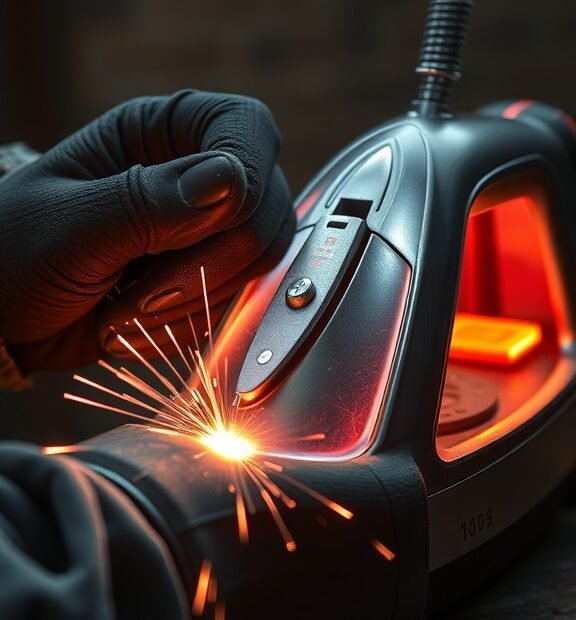
The feasibility of soldering iron: Techniques and considerations
When you think about soldering, your mind might jump to electronics or plumbing. However, you might wonder, can iron be soldered? The answer is both yes and no, depending on the type of iron and the method you choose. Understanding the feasibility of soldering iron involves exploring various techniques and considerations, making it essential for both hobbyists and professionals alike.
Soldering iron typically refers to a type of tool used for joining materials, especially in electronics. However, we are discussing the possibility of soldering pieces of iron itself. The simple truth is that while iron can be soldered, it requires careful preparation and the right techniques. Here are several important points to consider if you want to solder iron successfully.
1. Types of Iron
- Cast Iron: This type of iron is more difficult to solder due to its high carbon content. Standard soldering techniques may not work because cast iron has a tendency to crack if heated improperly.
- Wrought Iron: This type of iron is more malleable and can be soldered more easily than cast iron. It has lower carbon content and responds better to heat.
- Steel: While not strictly iron, steel can often be soldered using similar techniques. However, the carbon content affects soldering as well.
2. Choosing the Right Solder
The type of solder you choose is crucial for a successful operation. Here are some common options:
- Lead Solder: Traditional lead-based solder flows and adheres well, but it is not the most suitable for iron materials due to environmental concerns.
- Lead-Free Solder: These are better for health and safety, but they often require higher temperatures for effective soldering.
3. Techniques for Soldering Iron
To solder iron effectively, follow these steps:
- Preparation: Clean the surfaces thoroughly. Rust, dirt, or grease will prevent proper adhesion.
- Heating: Preheat both pieces of iron. You can use a soldering iron or a propane torch, depending on your project requirements.
- Application: Apply the solder once the iron pieces are hot. Allow it to flow into the joint by moving the soldering tool around the seam.
- Cooling: Let the solder cool down naturally. Avoid quick cooling methods like water as this could cause cracking.
4. Risks Involved
While soldering iron can be done with the right approach, there are some risks involved:
- Cracking: Iron can easily crack if overheated or cooled too quickly. Make sure to handle the temperature carefully.
- Weak Bonds: Not following methods properly may lead to weak solder joints that can break under stress.
5. Alternative Options
If you find soldering too challenging or risky, consider these alternatives:
- Welding: A more robust method, welding uses intense heat to fuse materials. This may be more suitable for certain projects.
- Adhesives: High-strength adhesives specifically designed for metals can also work if soldering proves difficult. However, the bond may not be as strong under stress.
While you can solder iron, it’s not without its challenges. Understanding the type of iron you’re working with and the right methods to employ is key. Prepare properly, choose the right materials, and adopt suitable techniques to minimize risks. If soldering seems daunting, don’t hesitate to explore alternative methods like welding or advanced adhesives that may provide stronger and more reliable joints. With patience and practice, soldering iron can be a rewarding skill.
Comparing soldering methods for different metals in DIY projects
Soldering is a crucial technique in DIY projects, allowing you to connect different metals effectively. Each metal requires a specific method for optimal results. Let’s dive into the comparison of soldering methods suited for various materials.
Soldering Copper
Copper is a popular choice for electronics and plumbing projects. The best soldering method for copper involves the use of rosin-core solder. This type of solder contains flux that helps prevent oxidation during the heating process.
- Temperature: Heat your soldering iron to around 350°C (662°F).
- Preparation: Clean the copper surface with sandpaper to remove any oxidation.
- Technique: Apply flux to the joint, then heat the joint until it’s hot enough to melt the solder.
This method creates a strong bond, making it ideal for wiring in electronics or copper pipe connections.
Soldering Aluminum
Soldering aluminum can be tricky due to its oxide layer, which can inhibit bonding. Unique methods are needed for this metal.
- Choosing the Right Solder: Use aluminum solder that’s specifically designed for the task.
- Flux Application: Use a specialized flux that will clean the oxide layer on aluminum.
- Heat Source: A torch or a soldering iron with a high-temperature setting is often necessary, as aluminum requires higher heat than copper.
Using these techniques will help you create reliable joints that can withstand various conditions.
Soldering Steel
Soldering steel, similar to soldering iron, requires appropriate prep work to ensure successful soldering.
- Flux Type: Use a zinc-based solder and flux, which work well with steel.
- Surface Preparation: Clean the steel of rust and grime. Sanding the surface is advisable.
- Temperature Settings: Set your soldering iron to around 380°C (716°F) for best results.
Employing these methods ensures strong connections in both small and large projects.
Soldering Cast Iron
Cast iron is often found in plumbing and automotive applications. Soldering cast iron requires careful consideration due to the material’s dense structure.
- Type of Solder: Use a high-temperature solder that can withstand the toughness of cast iron.
- Preheating: Preheat the area with a torch for better solder flow.
- Using Special Flux: Employ flux that can penetrate the iron to facilitate a strong bond.
This method helps overcome the challenges posed by cast iron’s unique properties.
Soldering Brass
Brass, commonly found in musical instruments and plumbing fixtures, is relatively easier to solder than other metals.
- Solder Choice: Lead-free solder is often preferable for brass applications.
- Heating Method: You can use a standard soldering iron for brass, as it melts at a lower temperature.
- Surface Cleaning: Similar to other metals, make sure that any oxidation on the surface is cleaned off.
These techniques will lead to effective, professional-looking joints.
Choosing the Right Method for Your Project
When tackling DIY projects, understanding the right soldering method for each metal type is essential. Here’s a quick reference:
- Copper: Use rosin-core solder with a soldering iron.
- Aluminum: Opt for aluminum-specific solder and pre-treat with specialized flux.
- Steel: Use zinc solder and ensure the surface is clean and rust-free.
- Cast Iron: Rely on high-temperature solder and special flux for a secure bond.
- Brass: Choose lead-free solder and use a standard soldering iron.
By following these guidelines, you can choose the perfect soldering method for your DIY projects, ensuring successful and durable connections tailored to your specific needs.
Conclusion
Soldering iron can be a valuable tool for your DIY projects, but it’s important to understand its limitations and capabilities when working with different types of metals. Mastering the techniques of soldering iron requires practice and a solid grasp of the properties of the materials you are working with. For example, soldering iron is best suited for specific metals like copper and brass, which bond easily with solder. On the other hand, materials such as aluminum or stainless steel demand different approaches or special soldering techniques, as their surfaces may resist solder adhesion.
Comparing various soldering methods highlights the importance of choosing the right technique based on the metal involved. Whether you opt for traditional soldering, TIG (Tungsten Inert Gas) welding, or even adhesive bonding, each method has unique advantages depending on the context of your project. By understanding the suitable soldering techniques for specific metals, you can enhance your craftsmanship and achieve professional-looking results.
As you embark on your DIY adventures, consider your project needs and the metals you plan to use. With the right knowledge and skillset, you can effectively use a soldering iron to create durable connections. Always prioritize safety measures and optimal working conditions to ensure a successful soldering experience. Ultimately, knowing whether iron can be soldered with the right approaches will prepare you for any challenges you might face while working on your next project.