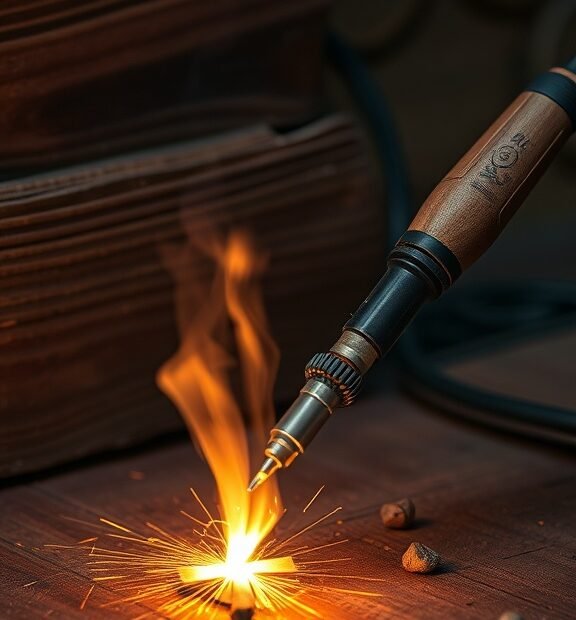
Can I Use a Wood Burner as a Soldering Iron? Pros and Cons
Many hobbyists and DIY enthusiasts often find themselves asking, “Can I use a wood burner as a soldering iron?” The curiosity stems from the overlapping functionalities of these tools. Both are designed to apply heat, yet they serve different purposes. Understanding the pros and cons of using a wood burner for soldering can help you determine if it’s a viable option for your projects.
A wood burner, typically used for decorating wood through a technique known as pyrography, generates high temperatures that can melt solder. This offers a tempting alternative for those who don’t own a soldering iron. However, there are important factors to consider before making this switch.
Pros of Using a Wood Burner for Soldering
- Cost-Effective: If you already own a wood burner, you can save money by skipping the purchase of a soldering iron.
- Multifunctionality: A wood burner allows for versatility as it can be used for both wood crafting and electronics, providing additional value.
- Increased Heat Control: Some wood burners have adjustable temperature settings, allowing you to control the heat applied to the solder.
- Ease of Use: Many wood burners are lightweight and designed for comfortable handling, making them easier to manipulate than some heavier soldering irons.
Cons of Using a Wood Burner for Soldering
- Limited Precision: Wood burners often lack the fine tips that soldering irons have, making it difficult to work on small or intricate electronic components.
- Inconsistent Thermal Distribution: The heat may not be evenly distributed, which can lead to uneven soldering and potential damage to the components.
- Higher Risk of Damage: A wood burner can get excessively hot, which increases the chance of burning parts of your circuit or damaging sensitive components.
- Not Designed for Electronics: Wood burners aren’t made for soldering, so using them for this purpose could void warranties on your projects or create hazardous conditions.
When considering whether to use a wood burner for soldering, it is helpful to reflect on the specific needs of your project. If you’re working on simple or larger connections, a wood burner can be effective. However, for delicate electronics, a soldering iron is specially designed for that purpose and will yield better results.
Soldering Stations | Easy 60 Day Return
In terms of safety, using a wood burner requires extra precautions. Solder fumes can be harmful, so it’s essential to work in a well-ventilated area. Additionally, make sure you handle the burner with care to avoid burns or other injuries. Investing in a soldering iron may offer peace of mind when it comes to safety and ease of use, particularly when dealing with intricate jobs.
If you decide to use a wood burner for small jobs, here are a few tips to ensure better outcomes:
Soldering Stations | Easy 60 Day Return
- Test First: Always practice on scrap material to get a feel for how well the wood burner handles solder.
- Choose the Right Tip: Use a flat or rounded tip for larger applications and consider modifying the tip to achieve better results.
- Monitor Temperature: Keep a close eye on the temperature setting to prevent overheating the solder or the components.
Ultimately, while you can use a wood burner as a soldering iron for simple projects, there are significant considerations to take into account. Weigh the convenience and cost-effectiveness against the potential for damage and the quality of your work. Making an informed decision based on your project needs can save time, money, and frustration in the long run.
Before you start soldering, make sure you know what tools will work best for your needs. A wood burner can be a handy tool when used correctly, but having the right tool for each specific job can lead to more successful and enjoyable experiences in your crafting and electronics endeavors.
Alternative Tools for Soldering: Comparing Wood Burners with Traditional Soldering Irons
Soldering is an essential skill for many DIY enthusiasts and professionals. Traditionally, a soldering iron is the go-to tool for this task. However, some might wonder, “Can I use a wood burner as a soldering iron?” Let’s explore that question by comparing wood burners with traditional soldering irons.
Soldering Stations | Easy 60 Day Return
Understanding Wood Burners
Wood burners, also known as pyrography tools, are primarily designed for crafting and decorating wood. They use a heated tip to burn designs into the surface. While they serve a different function, their heating mechanism is similar to that of soldering irons.
Features of Wood Burners
- Variable Temperature: Many wood burners allow you to adjust the temperature, which can be beneficial for various pyrography projects.
- Interchangeable Tips: These tools often come with different tips for creating various designs, offering versatility.
- Lightweight: Wood burners are generally lighter than traditional soldering irons, making them easier to maneuver.
Understanding Traditional Soldering Irons
Traditional soldering irons are specifically made for electrical work and metal joints. They heat solder and create strong electrical connections, making them ideal for precise work.
Soldering Stations | Easy 60 Day Return
Key Features of Soldering Irons
- Temperature Control: Many soldering irons come with adjustable temperature settings tailored for different soldering tasks.
- Specific Tips: The tips on soldering irons are designed for optimal heat transfer and precision in electronic connections.
- Safety Features: Soldering irons often include safety features like stands or holders to prevent burns and accidents.
Comparing Performance
When considering using a wood burner for soldering, it’s essential to highlight key performance differences. Both tools heat up and can melt solder, but they do so in different ways.
Heat and Precision
A wood burner may not reach the exact temperatures required for effective soldering. Soldering irons are designed to melt solder quickly and efficiently, ensuring a good bond. If you attempt to use a wood burner, the heat may be inconsistent, which can lead to poor connections.
Soldering Stations | Easy 60 Day Return
Control and Technique
Control is vital in soldering. The tips of soldering irons are built for precise soldering. In contrast, wood burner tips may be broader, making it challenging to define accurate soldering spots. Precision is key, especially in electronics, where small components require careful handling.
Safety Considerations
Both wood burners and soldering irons pose safety risks, including burns. However, soldering irons usually come with features that enhance user safety. If you choose to use a wood burner as an alternative, consider the following safety tips:
Soldering Stations | Easy 60 Day Return
- Use a Heat-Resistant Surface: Ensure you’re working on a surface that won’t catch fire.
- Wear Protective Gear: Consider wearing safety glasses to protect your eyes from splashes.
- Have a Fire Extinguisher Nearby: Always keep safety equipment within reach.
on Alternatives
While it might be tempting to use a wood burner in place of a soldering iron due to its versatility and accessibility, doing so could lead to subpar results in soldering tasks. The challenges in precision, temperature control, and safety all point towards using dedicated soldering tools for electronics work.
If you are considering a wood burner for soldering, weigh the pros and cons carefully. For more casual or artistic projects, it might suffice, but for electrical and technical tasks, investing in a reliable soldering iron is the better route. Understanding the differences between these tools will help you choose the right one for your specific needs.
Conclusion
Using a wood burner as a soldering iron can definitely be tempting, especially for DIY enthusiasts looking to make the most of their tools. However, weighing the pros and cons is essential. A wood burner offers versatility, allowing you to easily create intricate designs and apply heat to various materials. It can be a cost-effective option if you already own one. On the flip side, the temperature control might not be as precise as that of traditional soldering irons, leading to potential damage to sensitive electronic components or uneven solder joints.
Soldering Stations | Easy 60 Day Return
When comparing wood burners with standard soldering irons, traditional tools have the upper hand in specific areas. They are designed solely for soldering tasks, meaning they often have adjustable temperature settings and specialized tips. This makes them more reliable for electronics projects where precision is paramount. If you’re primarily focused on electronics, investing in a dedicated soldering iron is advisable for consistent results.
For hobbyists interested in craft projects involving wood or metal, a wood burner is an excellent multitasking tool. However, it’s essential to consider the specific needs of your projects. If your work requires high accuracy and control, opt for a soldering iron. Ultimately, the choice between using a wood burner and a soldering iron comes down to your specific needs and the materials involved in your projects. Choosing the right tool can significantly affect your results, helping you achieve the best outcomes in your soldering endeavors.