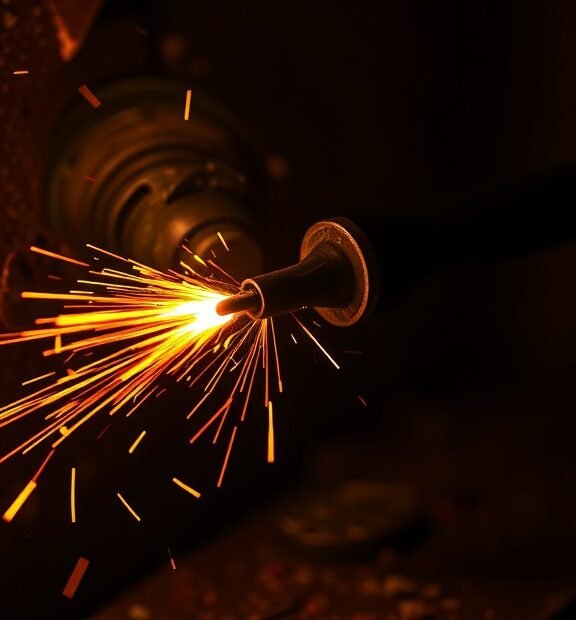
Can a Soldering Iron Start a Fire? Understanding the Risks and Safety Precautions
Soldering irons are essential tools in electronics, used for joining components together. However, they also pose a risk beyond their primary function, especially concerning fire safety. Understanding whether a soldering iron can start a fire is crucial for every DIY enthusiast, technician, or hobbyist.
The short answer to whether a soldering iron can start a fire is yes. Soldering irons reach high temperatures, typically between 350°F and 900°F (175°C to 480°C). At these temperatures, a soldering iron can ignite flammable materials if they come into contact. Therefore, being aware of the potential hazards is key to safe operation.
Several factors contribute to the risk of starting a fire with a soldering iron:
- Direct Contact with Combustible Materials: If you place a hot soldering iron on or near flammable items like paper, fabric, or wood, you run the risk of igniting a fire.
- Improper Storage: Leaving a soldering iron on an unstable surface or in an area with combustible materials can lead to accidents. Always return the tool to its stand when not in use.
- Overheating: Using a soldering iron for extended periods can overheat the tool itself, potentially igniting surrounding materials.
- Electrical Failures: A soldering iron operating with damaged wires can create sparks, which can also easily start a fire.
To mitigate the risks associated with a soldering iron, it’s critical to adopt safety precautions before, during, and after use:
- Choose a Safe Workspace: Make sure to work in an area free from flammable materials. Keep your workspace organized and clear.
- Use a Soldering Iron Stand: Always place the iron in its dedicated stand when not in use. This reduces the chance of it coming into contact with other materials.
- Monitor the Temperature: Always use the lowest temperature necessary for your project. This helps prevent overheating.
- Regularly Inspect the Tool: Check the soldering iron for any damage or frayed wires. Replace it immediately if you see any issues.
- Keep Fire Extinguishing Supplies Handy: Have a fire extinguisher or a water source nearby in case of emergency.
- Educate Yourself: Understanding how to properly use a soldering iron can go a long way in preventing accidents. Take note of the manufacturer’s safety instructions.
Another critical point to consider is the presence of children and pets in your workspace. Ensure that areas where you work with a soldering iron are off-limits to them. A curious child or pet may unintentionally come into contact with the hot tool, leading to burns or starting a fire.
It is also important to understand how heat transfer works. Materials like plastic can melt if exposed to the heat of a soldering iron, even if they are not in direct contact. This factor makes it even more crucial to maintain a safe distance between the soldering iron and all materials.
Safety habits into your routine when using a soldering iron can prevent fires and injuries. Always prioritize safety over convenience. If you need to step away, unplug the soldering iron instead of leaving it on. Taking just a moment to ensure that your workspace is secure can help you avoid disaster.
If a fire does inadvertently start, remember to remain calm. If it’s small and manageable, cover it with a damp cloth. However, if the fire grows, evacuate the area immediately and call emergency services for help.
A soldering iron can indeed start a fire if not handled properly. Awareness of the risks and employing appropriate safety practices can allow you to use this valuable tool without creating dangerous situations.
By focusing on safe operating procedures and maintaining vigilance, you can enjoy the benefits of soldering while minimizing fire risk. Always remember, safety is not just a precaution; it should be a fundamental aspect of your crafting or repair work.
Essential Tips for Safe Soldering Practices to Prevent Fire Hazards
Soldering is an essential skill in electronics and crafts, but it carries the risk of fire hazards if not done correctly. Whether you’re a beginner or a seasoned pro, keeping safety in mind is crucial to avoid accidents. Here are some essential tips for safe soldering practices to help prevent fire hazards.
Prepare Your Workspace
Before you begin soldering, make sure your work area is safe and organized:
- Clear the area of any flammable materials such as paper, cloth, or solvents.
- Use a non-flammable surface, like a soldering mat or a ceramic tile, to protect your work surface.
- Keep a fire extinguisher nearby and ensure you know how to use it in case of emergencies.
Use the Right Tools
Your choice of tools can significantly impact safety during soldering. Consider the following:
- Invest in a good quality soldering iron with a temperature control feature.
- Use a soldering iron stand to hold the hot iron and prevent burns or accidental fires.
- While soldering, always use safety glasses to protect your eyes from solder splashes.
Practice Safe Soldering Techniques
Employing safe soldering techniques greatly reduces the risk of fire:
- Always work in a well-ventilated area to avoid inhaling harmful fumes.
- Never leave a soldering iron plugged in and unattended. Unplug it when not in use.
- Keep your soldering iron pointed away from yourself and others at all times.
- Use only lead-free solder, as lead can create health risks and additional fire hazards.
Control the Temperature
Managing the temperature of your soldering iron is vital for safety:
- Set your soldering iron to the lowest effective temperature to reduce overheating risks.
- Allow the soldering iron to heat up before making a connection, but always monitor it to prevent it from getting too hot.
Maintain Your Equipment
Proper maintenance of your soldering tools can help prevent accidents:
- Regularly check the condition of your soldering iron. Replace any damaged components immediately.
- Keep the soldering tip clean. A dirty tip can lead to overheating and potential fire hazards.
- Inspect cords and plugs for wear or damage. Replace them if you notice any issues.
Be Aware of Your Surroundings
Situational awareness is essential while soldering:
- Ensure there are no distractions around you when you work, as they can lead to mistakes.
- Communicate with others nearby if you’re working on a project that requires focus.
- Be cautious if you’re soldering in confined spaces, where the risk of fire may increase.
Know How to Respond to Emergencies
Being prepared for emergencies is just as important as preventing them. Here’s what to do:
- If a fire starts, disconnect power sources immediately to minimize further risk.
- Use a fire extinguisher to put out small fires, but never try to extinguish a large fire on your own.
- Know the nearest exit and have a clear plan for leaving the workspace if necessary.
By following these essential tips for safe soldering practices, you can significantly reduce the risk of fire hazards in your workspace. Remember that safety comes first, and taking the time to ensure your environment is secure will lead to a more productive and enjoyable soldering experience. Stay safe and happy soldering!
Conclusion
When using a soldering iron, it’s crucial to recognize that while this tool is incredibly useful, it also carries inherent risks. Understanding how a soldering iron can start a fire is the first step in ensuring safety. The heat generated by the iron can easily ignite flammable materials if not handled correctly. This makes it vital to always be aware of your surroundings and to maintain a tidy workspace, free from clutter and any combustible items.
By following essential tips for safe soldering practices, you can significantly reduce the likelihood of fire hazards. This includes using a stable, heat-resistant surface, wearing protective gear, and ensuring proper ventilation. Always keep a fire extinguisher nearby and know how to use it. Setting up a designated area for soldering, away from flammable items, further enhances your safety.
Moreover, training and educating yourself about proper soldering techniques and equipment maintenance can make a world of difference. Remember to check your soldering iron regularly for any damage and always unplug it when not in use. By implementing these safety precautions, you not only protect your workspace but also contribute to a safer environment for yourself and others around you.
Being proactive about safety can help ensure that your soldering projects are both successful and fire-free. With careful handling and awareness of your surroundings, you can enjoy the benefits of soldering while minimizing the risk of fire hazards. Stay safe, and happy soldering!