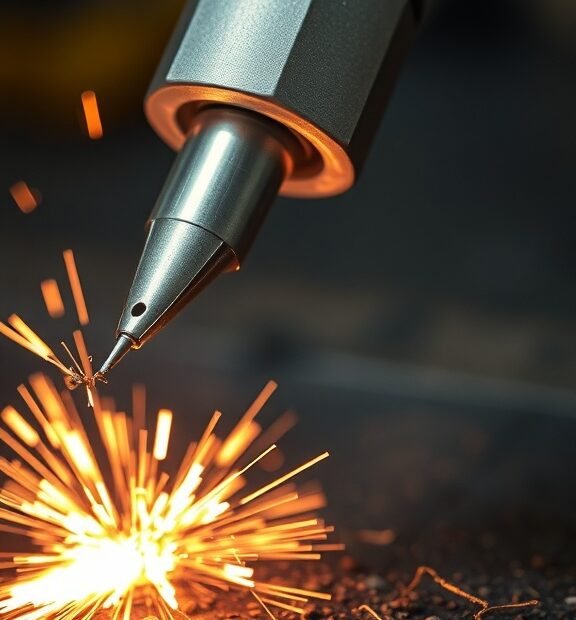
Can a Soldering Iron Melt Aluminum: Understanding the Limits and Techniques
Soldering irons are essential tools for electronics and metalworking. But can a soldering iron melt aluminum? The answer lies in understanding the properties of aluminum and the capabilities of soldering irons. Let’s delve into the science, limitations, and the right techniques to use if you want to work with aluminum.
First, it’s crucial to recognize the melting point of aluminum. Aluminum melts at approximately 660 degrees Celsius (1220 degrees Fahrenheit). Standard soldering irons typically operate at temperatures ranging from 300 to 450 degrees Celsius (572 to 842 degrees Fahrenheit). Thus, the maximum temperature of most soldering irons falls short of what is needed to melt aluminum.
However, there are specific cases and techniques where soldering irons can be utilized to work with aluminum, despite the temperature limitations. Here are some ways to approach this task:
- Using a High-Temperature Soldering Iron: Some advanced soldering irons can reach higher temperatures. If you have access to a high-temperature soldering iron, it may be able to melt aluminum. Ensure that the iron is powerful enough to sustain a temperature above 660 degrees Celsius.
- Aluminum-Specific Solder: There are specialized aluminum soldering rods designed to work at lower temperatures. These rods often contain zinc and other elements that aid in the soldering process without needing to melt the aluminum itself.
- Preparation for Soldering: When working with aluminum, it’s essential to clean the metal surface thoroughly. Aluminum oxidizes quickly, forming a barrier that can prevent solder from adhering well. Use a wire brush or sandpaper to prepare the surface.
- Using a Flux: A flux can help remove the aluminum oxide layer to facilitate soldering. Choosing a flux specifically designed for aluminum is essential as it can improve the connection.
- Combine Techniques: In some instances, you may heat the aluminum piece separately with a torch or heat gun before applying the solder from the soldering iron to make a connection without needing to melt the aluminum directly.
If you intend to join aluminum parts, keep in mind that achieving a solid bond is often more about technique than temperature. The following tips can help you succeed:
- Use the Right Equipment: High-quality tools that include a soldering iron capable of higher heat, as well as appropriate solder, make a significant difference.
- Practice Patience: Melting aluminum is not a fast process. Take your time to heat the area adequately to allow the solder to bond well.
- Avoid Overheating: If using a method to heat aluminum with a separate tool, be cautious not to overheat. This can cause warping or damage, especially in thinner pieces.
Several applications benefit from knowing how to solder aluminum. For example, model builders often need to join aluminum parts. Similarly, hobbyists and professionals in electronics may find themselves needing to repair aluminum components. Using the right soldering techniques can lead to durable and effective bonds.
Another factor to consider when discussing soldering iron capabilities is the type of solder used. Regular lead or rosin-core solder is not suitable for aluminum. Instead, invest in aluminum-based solder for optimal results. This specific solder often requires a different flux as well, which can help prevent oxidation.
When using a soldering iron on aluminum, always keep safety in mind. Work in a well-ventilated area and consider using gloves or goggles, especially if you are using a torch to preheat the aluminum. The combination of high heat and metal can create sparks or fume, making safety gear essential.
Understanding that standard soldering irons have limitations when melting aluminum is key. While melting aluminum directly with a soldering iron may not be feasible, with proper tools, techniques, and preparation, you can achieve solid connections in your aluminum projects. Whether you are an enthusiast or a professional, mastering these methods can expand your skill set significantly.
Alternative Methods for Joining Aluminum Without a Soldering Iron
Joining aluminum can be tricky, especially if you don’t have a soldering iron. Luckily, there are several alternative methods you can use to achieve strong and reliable connections without this tool. Let’s explore various techniques that can help you effectively join aluminum.
One of the most popular methods for bonding aluminum is by using welding. There are various types of welding processes that are suitable for aluminum:
- TIG Welding: Tungsten Inert Gas (TIG) welding is a precise way to weld aluminum. It uses a non-consumable tungsten electrode to create the weld. This method allows you to control the heat much better, which is crucial for aluminum since it has a low melting point.
- MIG Welding: Metal Inert Gas (MIG) welding is another excellent method. It uses a consumable wire for the welding process. MIG welding is faster than TIG and is great for thicker aluminum pieces.
- Spot Welding: If you’re working with thin sheets of aluminum, spot welding is a quick and effective approach. This method involves applying pressure to two pieces of aluminum and then using a small amount of power to fuse them together.
Another way to join aluminum is by using adhesives. Aluminum adhesives come in many forms and are particularly useful for hobbyists and DIY projects. Some common types of adhesives include:
- Epoxy: This adhesive can bond aluminum very well. It typically consists of a resin and a hardener that, when mixed together, create a strong bond. Epoxy adhesives work great for both indoor and outdoor projects since they offer excellent resistance to weather and moisture.
- Cyanoacrylate (Super Glue): For quick fixes, cyanoacrylate is a reliable choice. Although it may not hold up as well under stress or heat, it’s a convenient option for lightweight aluminum items.
- Structural Adhesives: These adhesives are designed for heavy loads and stress. They provide an even stronger bond than epoxy and can be used for high-performance applications.
Mechanical fasteners are another reliable choice when working with aluminum. They provide both strength and flexibility, making them suitable for a variety of applications. Common types include:
- Rivets: This is one of the oldest methods for joining aluminum. Riveting involves using a metal pin to hold the pieces together. Once the pin is inserted through the aluminum pieces, it’s then deformed on one end to create a secure connection.
- Bolts and Nuts: Using bolts and nuts is another strong method for joining aluminum. You’ll need to drill holes into the aluminum pieces and secure them with bolts and nuts. This method allows for easy disassembly if needed.
- Screws: Like bolts, screws can also be used for joining aluminum. They are particularly advantageous for lightweight or thin aluminum sheets.
For those who prefer a more creative approach, consider using a combination of the methods mentioned. For example, using both welding and adhesives can reinforce the bond even further. This is especially useful in applications where the integrity of the joint is crucial.
Another interesting alternative is using heat. You can heat the aluminum pieces and then press them together. This process, often called thermoset bonding, allows for softer aluminum to be joined without melting or destroying its integrity. Just be careful with the heat levels, as excess heat can cause the aluminum to warp.
It’s essential to consider the specific needs of your project when choosing a method for joining aluminum. The materials, strength requirements, and environmental conditions can all influence the effectiveness of your chosen technique. Always test a small area first if you’re unsure about the method’s effectiveness.
While soldering irons are commonly associated with metal joining, they are not the only option available. By exploring various welding techniques, adhesives, mechanical fasteners, and even creative methods like heat bonding, you can effectively join aluminum in a way that suits your specific needs. Choose the method that best fits your project for a successful and lasting bond.
Conclusion
When it comes to melting aluminum with a soldering iron, understanding the limitations of this tool is crucial. While soldering irons are excellent for connecting smaller electronic components, they typically fall short of generating the high temperatures required to effectively melt aluminum. The melting point of aluminum is around 1,220°F (660°C), which most soldering irons struggle to reach. This limitation invites the exploration of alternative methods for joining aluminum that are more efficient and effective.
For users seeking to work with aluminum, consider techniques such as TIG (Tungsten Inert Gas) welding or MIG (Metal Inert Gas) welding. These methods not only provide the necessary heat levels to melt aluminum but also ensure strong and durable joints. For smaller projects or repairs, using a propane torch can also be a viable option, allowing you to generate higher temperatures in a more controlled manner.
Furthermore, when joining aluminum, the choice of filler material plays an important role. Specialized aluminum rods or wires designed for welding can enhance the quality of your joint and ensure better outcomes.
While a soldering iron is not suited for melting aluminum, there are several effective alternatives available. By selecting the right method and tools, you can successfully work with aluminum to achieve reliable and robust connections in your projects. Whether you’re an amateur DIY enthusiast or a seasoned professional, knowing these options will empower you to make informed decisions and elevate your skills in metalworking.