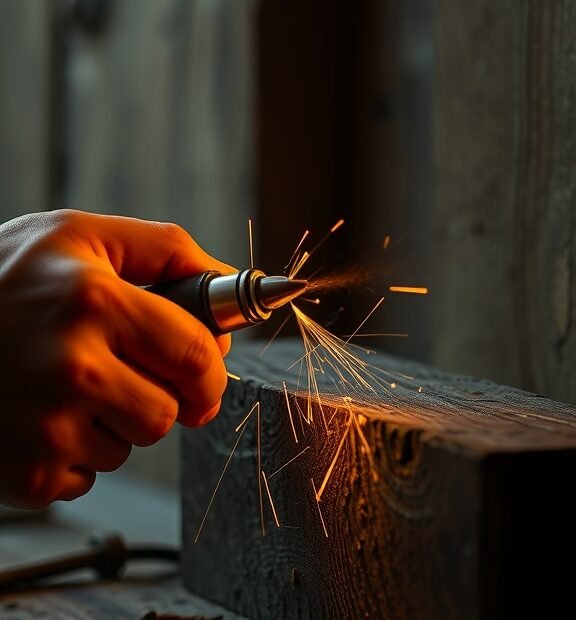
The Potential of a Soldering Iron to Burn Wood: Understanding the Science
When you think of a soldering iron, images of electronics repair and metalwork may come to mind. However, have you ever wondered about its ability to burn wood? The soldering iron, primarily designed for melting solder to join metal components, can indeed have an impact on wood surfaces. Understanding the relationship between a soldering iron’s temperature and wood’s ignition point can shed light on this intriguing capability.
A soldering iron generally operates between 350°F (about 177°C) and 900°F (about 480°C), depending on the model and its intended use. Wood, on the other hand, typically ignites at around 450°F (about 232°C). This means that if you apply the tip of a soldering iron to wood, there is significant potential for charring or burning, especially if you maintain contact for too long.
Here are several key points to consider if you’re curious about how a soldering iron might affect wood:
Soldering Stations | Easy 60 Day Return
- Temperature Awareness: Recognize that the temperature of a soldering iron can be adjusted. Heat settings can make a difference in whether wood merely chars or ignites.
- Duration of Contact: The longer the soldering iron remains in contact with the wood, the more heat is transferred. Prolonged exposure can lead to burning or charring.
- Type of Wood: Different types of wood have varying densities and moisture contents. Softer woods, for instance, are more prone to burning compared to harder woods.
- Moisture in Wood: If wood has a high moisture content, it may resist burning initially. However, upon drying and heating, it can ignite more easily.
If you want to experiment with a soldering iron and wood, safety is paramount. Always work in a well-ventilated area and wear protective gear. Consider the following tips for a safe and effective experience:
- Create a Safe Workspace: Use a heat-resistant mat to protect your work surface from unintentional burns.
- Practice Controlled Application: Start with short contact times to gauge wood reaction before increasing duration.
- Monitor Temperature: Use a thermometer or temperature gauge to track the heat of the soldering iron, ensuring it doesn’t exceed your desired limit.
- Use the Right Soldering Iron: A soldering iron with adjustable heat settings gives you better control, making it easier to manage the wood’s response to heat.
It’s also worth noting that using a soldering iron on wood has creative applications. Many artisans use this technique for creating intricate designs. This process, often referred to as pyrography, allows you to draw or burn designs into the surface of the wood. The soldering iron acts as a tool for both embellishing and altering the wood.
Soldering Stations | Easy 60 Day Return
While soldering irons can burn wood, they are not a standard tool for this purpose. If you’re interested in specific applications like pyrography, investing in a dedicated pyrography tool may provide more precise results and better control over the design aspect.
Understanding the science behind using a soldering iron on wood can lead to both practical and creative outcomes. While it can definitely burn wood, the extent and effectiveness depend on various factors, including heat settings, duration of contact, and the type of wood. With the right knowledge and safety precautions, you can explore this interesting intersection of tools and materials.
Safe Practices When Using Soldering Irons for Woodworking Projects
Soldering irons are versatile tools often used in electronics and metalwork, but they can also play a unique role in woodworking projects. Whether you’re creating intricate designs or making repairs, knowing how to use a soldering iron safely when working with wood is essential. Here are some safe practices to follow.
Soldering Stations | Easy 60 Day Return
Understanding the Risks
Using a soldering iron on wood can lead to various risks if proper safety measures are not followed. The heat generated by the soldering iron can easily scorch or burn the wood, which may not only ruin your project but also create a fire hazard. Familiarizing yourself with these risks can help you take the necessary precautions.
Safety Gear is Essential
Before starting, make sure you’re equipped with the right safety gear:
Soldering Stations | Easy 60 Day Return
- Protective Eyewear: Always wear goggles to protect your eyes from any fumes or splatters.
- Heat-Resistant Gloves: These can prevent burns when handling the soldering iron.
- Face Mask: A mask can help filter out any harmful fumes produced during the soldering process.
Setting Up Your Workspace
Your workspace plays a significant role in ensuring safety while using a soldering iron. Here are some tips to create a safe environment:
- Clear the Area: Remove any flammable materials from your workspace to minimize fire risks.
- Stable Surface: Work on a stable, heat-resistant surface to prevent accidents. A wooden table may become damaged, so consider using a heat mat.
- Good Ventilation: Ensure your workspace is well-ventilated to disperse any fumes produced while soldering.
Using the Soldering Iron on Wood
When using a soldering iron for woodworking, the technique matters just as much as the tools. Follow these steps to ensure safe and effective use:
Soldering Stations | Easy 60 Day Return
- Temperature Control: Set your soldering iron to a lower temperature. A range of 300°F to 400°F (150°C to 200°C) is generally effective for wood projects.
- Test First: Always perform a small test on a scrap piece of wood to ensure that you have the right heat setting before working on your actual piece.
- Short Duration: Use the soldering iron briefly on the wood. Long exposure can burn the wood and create unwanted marks.
Technique for Woodworking
When you are ready to start, use the soldering iron to create designs or install components. Keep the following techniques in mind:
- Angle the Iron: Hold the iron at an angle to distribute the heat evenly and reduce the risk of burning the wood.
- Move Steadily: A slow and steady hand helps prevent overheating specific areas, which can lead to burns.
- Clean the Tip: Ensure the soldering iron’s tip is clean. A dirty tip can transfer heat unevenly and cause burns.
After Use Care
After you finish your project, you must take steps to ensure safety:
Soldering Stations | Easy 60 Day Return
- Unplug Immediately: Always unplug the soldering iron when not in use to avoid accidental burns.
- Allow to Cool: Let the soldering iron cool completely before storing it. This can take several minutes, so be patient.
- Store Safely: Store the soldering iron in a designated place, preferably with a stand that keeps it secure and prevents accidental contact.
By implementing these safe practices when using a soldering iron, you can enhance your woodworking skills while minimizing risks. Understanding how to handle heat and apply it carefully will lead to successful and creative projects, making your woodworking experience both enjoyable and safe.
Conclusion
Understanding the potential of a soldering iron to burn wood is crucial for anyone interested in woodworking or crafting. A soldering iron generates high temperatures that can easily char or scorch wood if not used with care. This tool, while primarily designed for electronics, can be creatively repurposed for wood engraving or minor touch-ups in woodworking projects. However, without the right knowledge, you risk damaging your materials.
To ensure safety and prevent unwanted results, it’s important to adopt safe practices while using a soldering iron on wood. Always work in a well-ventilated area and consider using a temperature-controlled soldering iron to manage heat levels effectively. Wearing protective gear, such as gloves and safety goggles, can save you from accidental burns and injury. It’s also wise to experiment on scrap wood before applying techniques on your main project. This allows you to understand how different woods react to the heat and helps you achieve the desired results without damaging your work.
Soldering Stations | Easy 60 Day Return
As you explore the intersection of soldering and woodworking, remember that proper technique and safety measures will enhance your experience. By embracing the potential of a soldering iron thoughtfully, you can expand your skill set and create unique wood designs. Ultimately, the right knowledge and precautions will empower you to harness the power of a soldering iron creatively without compromising your woodworking projects. Be safe, be creative, and enjoy the process of making!