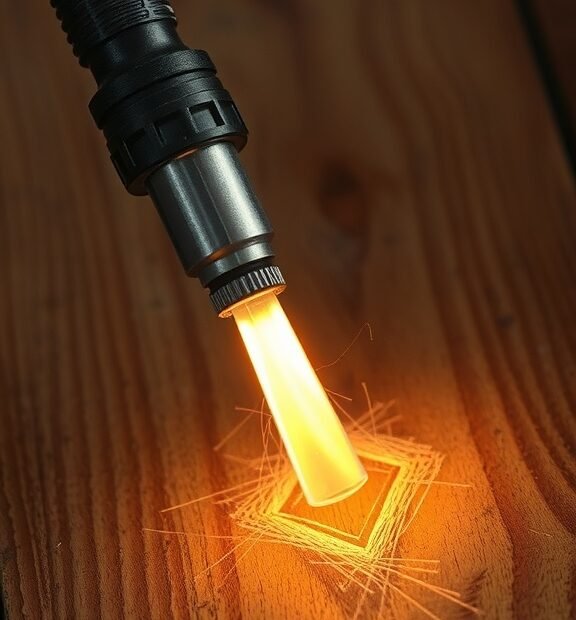
Using a Soldering Iron for Wood Burning: Techniques and Safety Tips
Wood burning, also known as pyrography, is an art form that allows you to create beautiful designs on wood surfaces. While many use specialized wood-burning tools for this craft, you might wonder: can a soldering iron be used for wood burning? The answer is yes! In fact, a soldering iron can be a great alternative for those who want to dip their toes into wood burning without investing in expensive equipment. Here’s a guide on how to use a soldering iron for wood burning, along with essential techniques and safety tips to keep in mind.
Choosing the Right Soldering Iron
Not all soldering irons are created equal when it comes to wood burning. Here are some key features to consider:
- Temperature Control: Look for a soldering iron with adjustable temperature settings. A range between 400°F to 800°F is ideal for wood burning.
- Tip Size: A fine tip is crucial for detailed work, while a broader tip can cover larger areas quickly.
- Wattage: A soldering iron with at least 30 watts will provide sufficient heat for effective burning.
Techniques for Effective Wood Burning
Using a soldering iron for wood burning requires some practice and technique. Here are some tips to help you create stunning designs:
Soldering Stations | Easy 60 Day Return
- Preparation: Start by sanding the wood surface to create a smooth area for burning. Remove any dust or debris to ensure a clean design.
- Practice Lines: Before you begin on your main piece, practice creating lines and shading on a scrap piece of wood. This will help you get a feel for the soldering iron’s heat distribution.
- Pressure Control: Vary the pressure you apply with the soldering iron to achieve different line weights and shading. Gentle pressure creates lighter marks, while more pressure results in darker burns.
- Speed: Move the soldering iron smoothly and steadily. Slower movements will create darker burns, while quicker movements yield lighter lines.
- Use Stencils: If you’re unsure about your freehand skills, consider using stencils to guide your designs.
Safety Tips for Using a Soldering Iron for Wood Burning
Working with heat can be dangerous if proper precautions aren’t taken. Follow these safety tips while using a soldering iron for wood burning:
- Workspace: Ensure that your workspace is well-ventilated. Burning wood can produce smoke and potentially harmful fumes.
- Heat Protection: Always use heat-resistant gloves to protect your hands from burns. A heat-resistant mat or board can also prevent damage to your work surface.
- Keep Water Nearby: Having a container of water or a fire extinguisher on hand is a good idea in case of accidents.
- Avoid Distractions: Focus on your work. Distractions can lead to mishaps and accidents.
- Turn Off When Not in Use: Always unplug your soldering iron when you’re finished, or if you need to step away from your workspace.
Cleaning the Soldering Iron
Maintaining your soldering iron is vital for achieving quality results in wood burning. After your session, clean the tip with a damp sponge or cloth, making sure to remove any burnt wood residue. This will keep the tip sharp and effective for future projects.
Soldering Stations | Easy 60 Day Return
Final Thoughts
Using a soldering iron for wood burning can provide a fun way to explore pyrography without needing to buy specialized tools. With the right soldering iron, techniques, and safety precautions, you can create beautiful wood art projects. Remember that practice makes perfect, so don’t be discouraged if your initial attempts aren’t flawless. Happy burning!
Comparing Traditional Wood Burning Tools and Soldering Irons for Craft Projects
When diving into wood burning craft projects, you may wonder what tools are best suited for the task. Two popular options are traditional wood burning tools and soldering irons. Both can be used to create stunning designs on wood, but they do have differences that can affect your creative process and results.
Traditional wood burning tools, or pyrography pens, are specifically designed for burning designs into wood. They usually have a range of tips that help craft different patterns, lines, and textures. One of the main benefits of using a dedicated wood burner is the variety of interchangeable tips. These tips allow you to create intricate details and varying designs with ease. You can switch from a fine point for delicate work to a broader tip for filling in larger areas. This versatility is essential for artists who want to explore different styles and techniques.
Soldering Stations | Easy 60 Day Return
On the other hand, soldering irons, which are commonly used in electronics, can also function as wood burning tools. While they may not be as specialized as pyrography tools, they can get the job done. A soldering iron typically has a simple design, with a heated metal tip that can be used to burn into wood. Here’s how they compare:
- Temperature Control: Traditional wood burning tools often feature adjustable temperature settings, which provide better control over the burning process. Soldering irons usually have fixed temperatures, making it challenging to achieve delicate effects on wood.
- Tip Variety: Wood burning tools come with multiple tips tailored for artistic purposes. In contrast, soldering iron tips are limited and may not provide the same level of detail.
- Ease of Use: A wood burning pen is generally easier to use for beginners, with a lightweight design that feels comfortable for extended crafting sessions. Soldering irons can be heavier and less ergonomic.
- Cost: If you’re on a budget, soldering irons can be a more affordable option. However, investing in a good wood burning pen can yield better results for serious crafters.
The usage of soldering irons for wood burning may appeal to those who are just starting or experimenting. If you already own a soldering iron, you might want to try it out before making a purchase. That said, there are considerations when using a soldering iron for this purpose. The heat output is often higher and less controllable, which can lead to scorching or burning too deeply into the wood.
Soldering Stations | Easy 60 Day Return
Safety is another aspect to consider when using either tool. Wood burners are designed with safer features, often incorporating heat-resistant materials and ergonomic handles. Soldering irons, on the other hand, can pose a higher risk of burns due to their exposed heating elements. Always ensure you’re working in a well-ventilated area, especially when using either tool, as they can produce smoke when burning wood.
To further enhance your wood burning craft, consider these tips:
Soldering Stations | Easy 60 Day Return
- Choose the Right Type of Wood: Softwoods, like pine or cedar, are easier to burn into compared to hardwoods, which may scorch too easily.
- Practice on Scraps: Before you start on your main project, practice your technique on scrap pieces of wood. This will help you get a feel for your tool, whether it’s a soldering iron or a traditional wood burner.
- Use Stencils or Templates: If you’re not confident in your freehand skills, using stencils can make it easier to achieve the desired design.
- Take Your Time: Wood burning is an art that requires patience. Slow, steady movements yield better results.
Ultimately, whether you choose to go with a traditional wood burning tool or a soldering iron will depend on your specific needs and preferences. If you want to create detailed, professional-looking designs, a dedicated wood burner will suit you better. However, if you’re an occasional crafter or just beginning, a soldering iron could serve as a practical starter tool.
Whichever you choose, be ready to explore the creative world of wood burning. Combine techniques, experiment, and most importantly, enjoy the process of transforming simple pieces of wood into beautiful works of art.
Conclusion
When considering the use of a soldering iron for wood burning, it’s clear that this versatile tool can be an effective alternative to traditional wood burning tools. Its precision allows you to create intricate designs and detailed patterns on wood. By adjusting the temperature and utilizing different tips, you can achieve a range of artistic effects. However, it’s essential to follow safety precautions, such as wearing protective gear and working in a well-ventilated area, to ensure a secure crafting experience.
Soldering Stations | Easy 60 Day Return
Comparing soldering irons and traditional wood burning tools reveals some key differences in functionality and usability. While traditional wood burners are specifically designed for the craft and offer adjustable tips and temperatures designed for various techniques, soldering irons provide a more accessible option for beginners or those who wish to dabble in wood burning without investing in specialized equipment. The convenience of a soldering iron makes it an appealing choice, especially when it comes to simple wood burning projects or DIY crafts.
Ultimately, whether you choose a soldering iron or a traditional wood burning tool depends on your skill level, project requirements, and personal preference. Embrace the opportunity to explore wood burning creatively, experimenting with both tools to discover which best fits your style. With the right approach and a little practice, you can achieve stunning wood art, turning everyday wood items into beautiful handcrafted pieces. Remember that safety and practice are the keys to mastering this rewarding craft. Happy burning!