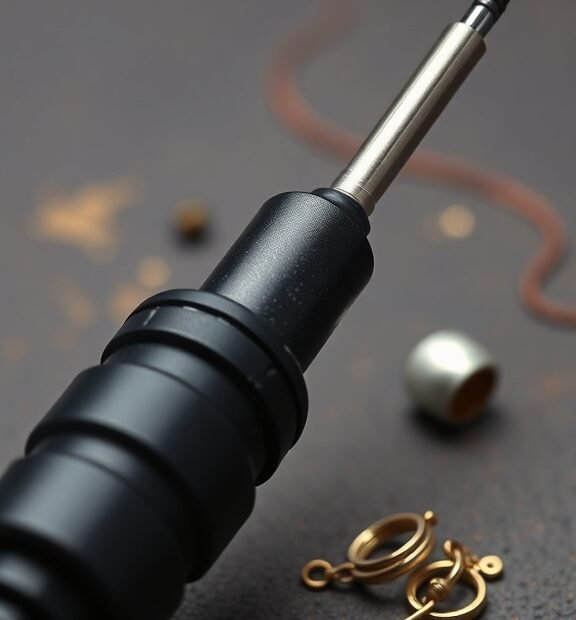
Can a Soldering Iron Be Used for Jewelry Making: Pros and Cons
Many aspiring jewelers find themselves asking, “Can a soldering iron be used for jewelry making?” This question is essential for both beginners and seasoned artisans looking for effective tools to enhance their craft. Using a soldering iron for jewelry making can come with its unique advantages and disadvantages. Understanding both sides can help you determine if this tool is right for your projects.
Advantages of Using a Soldering Iron for Jewelry Making
Using a soldering iron for jewelry making offers several benefits that can appeal to different types of artisans.
- Accessibility: Soldering irons are generally more affordable than dedicated jewelry torches. For hobbyists, this can be a significant benefit, especially when starting out.
- Ease of Use: Many people find soldering irons simpler to operate than traditional jewelry soldering equipment. They have a straightforward design, making them user-friendly for beginners.
- Portability: A soldering iron is lightweight and easy to transport. This portability allows you to take your jewelry-making projects anywhere, whether at home or a workshop.
- Accuracy: Soldering irons often allow you to focus the heat on smaller areas, which is beneficial when working on intricate designs.
Disadvantages of Using a Soldering Iron for Jewelry Making
While there are clear advantages, there are also some drawbacks that you should consider before deciding to use a soldering iron.
- Temperature Control: Soldering irons may not achieve the high temperatures required for certain metals like gold or silver. This can limit your options in terms of materials.
- Heat Distribution: The heat from a soldering iron may not be evenly distributed compared to a torch. This uneven heating can lead to poor solder joints or even damage delicate components.
- Project Limitations: Certain techniques, such as stone setting or welding, typically require higher temperatures than a soldering iron can provide.
- Skill Level: While soldering irons are user-friendly, they still require practice to master. Getting the hang of proper techniques can take time, which may frustrate some beginners.
Best Practices for Using a Soldering Iron in Jewelry Making
If you’ve decided to try using a soldering iron for your jewelry projects, here are some tips to enhance your experience:
- Choose the Right Type: Use a soldering iron with a fine tip. This allows for more precision and control, essential when working on intricate jewelry pieces.
- Use the Right Solder: Use solder specifically designed for jewelry making. Silver, gold, and base metal solders behave differently, affecting how well they bond and how easily they flow.
- Prepare Your Workspace: Ensure your workspace is clean and organized. A clutter-free area helps prevent accidents and makes for a more enjoyable crafting experience.
- Practice Safety: Always wear safety glasses and use heat-resistant surfaces when working with a soldering iron to protect yourself and your materials.
Alternatives to Consider
If you find that a soldering iron is not meeting your needs, consider the following alternatives:
- Jewelry Torches: For more advanced projects that require higher temperatures, a small jewelry torch can be a better choice.
- Gas Soldering Tools: These tools are versatile and offer a range of heat settings suitable for various metals.
- Micro Welders: Ideal for very delicate or high-precision work, micro welders allow you to join metal components without additional solder.
In the end, whether a soldering iron can be used for jewelry making effectively will depend on your specific projects and personal preferences. By weighing the pros and cons and considering the best practices, you can make an informed decision on whether this tool is right for you. Remember, the journey into jewelry making should be enjoyable, so choose the tools that make your creative process easier and more rewarding!
Essential Tools for Jewelry Making: Beyond the Soldering Iron
When diving into the world of jewelry making, many new artisans often focus heavily on one key tool: the soldering iron. While it’s a crucial instrument for joining metal pieces, there are numerous other essential tools that can enhance your jewelry-making experience. Understanding and utilizing these tools can significantly improve both the quality of your creations and your efficiency in the crafting process.
First and foremost, consider the importance of a reliable set of pliers. Having multiple types—such as chain-nose, round-nose, and flat-nose pliers—allows you to tackle a variety of tasks. Chain-nose pliers are perfect for gripping and bending wires, while round-nose pliers help create loops or curves. Meanwhile, flat-nose pliers excel at holding and manipulating metal elements, ensuring precision in all your jewelry designs.
Next, don’t underestimate the power of a quality set of wire cutters. Whether you’re working with thick gauge wires or thinner beading wires, a good pair of cutters will help you achieve clean, sharp edges on your materials. Dull or poor-quality cutters can lead to frayed ends, complicating your projects and making them look less polished.
Another fundamental tool is the bench block. This weighted surface is perfect for hammering and shaping metal. Using a bench block helps prevent damage to your workspace while providing a solid base for your work. It’s essential for techniques such as flattening metal, texturing, or forming sharp corners. Investing in a well-made bench block is a step towards increasing the quality of your craftsmanship.
Hand tools like files and rasps are also vital for smoothing and refining edges. Files come in various shapes and sizes to accommodate different tasks. A metal file with coarser teeth can quickly remove material, whereas finer files can add the finishing touches. Using the right file for the job helps ensure that your pieces are comfortable to wear and aesthetically pleasing.
For those interested in beads, a bead tray or mat is greatly beneficial. These trays keep your beads organized and minimize the risk of losing small items during the creative process. They provide a neat space to lay out your designs, making it easier to visualize the final product before committing to assembly.
Another key item to have on hand is adhesive glue, particularly for elements that cannot be soldered or require extra support. Not all adhesives are created equal, so it’s crucial to choose the right one—look for options designed specifically for metal or jewelry. A good adhesive helps you secure pieces firmly, ensuring your jewelry lasts over time.
Additionally, consider a good-quality magnifying lamp or visor. Working with small components can strain your eyes. A magnifying tool not only prevents fatigue but also allows you to see fine details more clearly, improving your overall precision. This is particularly useful when arranging intricate designs or setting small stones.
- Jewelry Saw: Essential for cutting intricate shapes out of metal, a jewelry saw offers precision and control that traditional cutting tools may lack.
- Calipers: These are important for measuring both inside and outside dimensions, ensuring that your pieces fit together perfectly.
- Metal Shears: Perfect for quickly cutting thinner sheets of metal or different components, metal shears provide versatility and speed.
- Vise: This fixture holds your work securely in place, allowing for easier manipulation of pieces when working with heat or pressure.
Don’t overlook the need for safety equipment. A well-ventilated workspace and safety goggles protect your eyes from flying debris during crafting. If you’re using a soldering iron or any tools that create heat, heat-resistant gloves are a useful addition to prevent burns.
To sum it up, while a soldering iron plays a pivotal role in jewelry making, there’s much more to the craft than just that one tool. By equipping yourself with a well-rounded toolkit, you can elevate your jewelry-making skills and bring your creative visions to life. So, gather these essential tools and get ready to create stunning pieces that showcase your unique style!
Conclusion
Using a soldering iron for jewelry making can be a great solution for certain projects, especially if you’re working with softer metals or conducting repairs. The advantages, like its affordability and ease of use, make it an appealing choice for beginners and hobbyists. However, it’s important to weigh these benefits against its limitations. The heat and precision required for intricate designs might not be achieved as effectively with a soldering iron compared to more specialized tools.
Exploring other essential tools in jewelry making is crucial for achieving professional-quality pieces. Items like jeweler’s torches, which provide better control over heat, or soldering stations designed specifically for jewelry, can significantly enhance your crafting experience. these tools into your workflow can help you realize more complex designs and ensure the durability of your creations.
As you embark on your jewelry-making journey, consider your specific needs. If you’re just starting and working on simpler designs, a soldering iron could suffice. However, investing in a range of proper tools can provide more versatility and higher-quality results in the long run. Remember, the choice of tools can greatly affect your creative process and final outcomes, so choose wisely based on the projects you want to undertake.
Whichever path you choose, the joy of crafting unique jewelry remains. Whether you utilize a soldering iron or explore more specialized tools, the key is to keep experimenting, learning, and enjoying the process of bringing your artistic vision to life. Happy crafting!