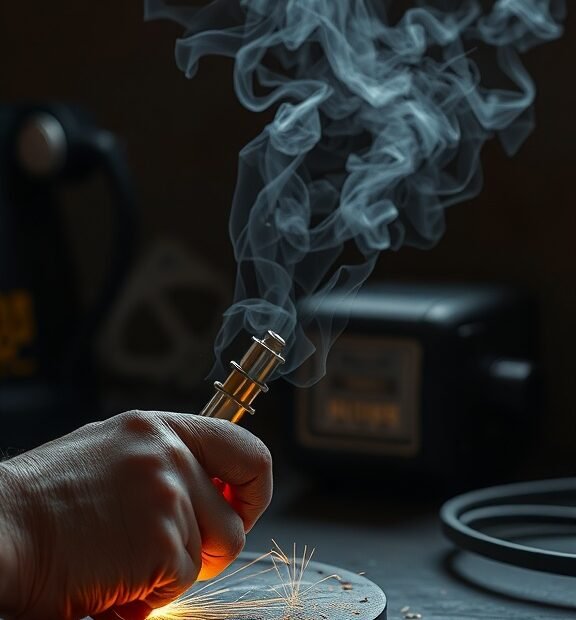
Understanding the Dangers of Soldering Iron Fumes and Their Health Effects
When you work with a soldering iron, you may notice the distinct smell of heated metal and flux. While soldering can be a rewarding task, it’s important to understand the potential dangers related to soldering iron fumes. These fumes can pose health risks if not properly managed. So, what exactly are the dangers of soldering iron fumes? Let’s dive in.
Soldering involves melting a metal alloy to join two or more components. The solder often contains materials like lead, tin, or other substances that produce fumes when heated. This is where the concern begins. Prolonged exposure to these fumes can lead to various health issues. Here are some dangers associated with soldering iron fumes:
- Respiratory Problems: Inhaling fumes from soldering can irritate your lungs, leading to conditions like bronchitis or other respiratory issues. Symptoms may include coughing, wheezing, and shortness of breath.
- Skin Irritation: The flux used in solder can cause skin irritation or allergic reactions when it comes into contact with your skin. Always wear appropriate gloves when handling solder.
- Nervous System Effects: Some types of solder contain lead, which can affect your nervous system if inhaled or ingested. Symptoms of lead exposure can include headaches, fatigue, and cognitive impairments.
- Long-term Health Issues: Continued exposure to solder fumes over time can lead to chronic conditions, including lung disease and neurological disorders. Thus, it’s crucial to minimize exposure.
To protect yourself while soldering, it is essential to follow some basic safety measures. Here are actionable tips to reduce your risk:
Soldering Iron Kits & Accessories
- Use Proper Ventilation: Always work in a well-ventilated area. Open windows, use exhaust fans, and consider working outdoors when possible to disperse fumes effectively.
- Wear Protective Gear: Use safety goggles and masks designed to filter out fumes. This will help safeguard your eyes and respiratory system.
- Utilize Fume Extractors: Investing in a solder fume extractor can significantly reduce your exposure. These devices pull the fumes away from your workspace.
- Limit Soldering Time: Try to limit the amount of time spent soldering in one session. Taking breaks can minimize exposure to harmful fumes.
- Keep Workspace Clean: Regularly clean your workspace to eliminate solder debris. This not only promotes safety but also contributes to better air quality.
Being aware of the dangers associated with soldering iron fumes is vital in maintaining your health. Remember, the risk is heightened if you work without adequate safety precautions. You may think the tasks are simple, but the health implications can be significant, particularly with prolonged exposure. By adopting safety measures, such as good ventilation and protective wear, you can greatly reduce your risks.
It’s also important to consider the materials you are soldering with. For example, lead-based solder, while effective, comes with higher risks due to lead’s well-documented health effects. Opting for lead-free solder can be a safer alternative that minimizes harmful exposure. Be sure to check product labels for safety information and recommendations when selecting solder.
Soldering Iron Kits & Accessories
Always educate yourself on the hazards of the materials you are working with, including the associated health risks of soldering iron fumes. Keeping informed will not only protect your health but also enhance your soldering skills through improved techniques and best practices.
Soldering iron fumes can be dangerous, and awareness is the first step toward safety. With proper precautions, you can protect yourself while enjoying the art of soldering. Your health should always come first, so take the necessary measures to ensure a safe workspace.
Best Practices for Safe Soldering: Minimizing Fume Exposure
Soldering is a common activity for electronics enthusiasts, hobbyists, and professionals alike. While it allows you to create and repair electronic devices, it’s crucial to prioritize safety, especially concerning the fumes produced during soldering. Understanding how to minimize exposure to soldering iron fumes can protect your health while enjoying this valuable skill.
Soldering Iron Kits & Accessories
First and foremost, it’s essential to comprehend what soldering fumes consist of. When solder is heated, it releases various fumes that can contain hazardous substances such as lead, flux, and other volatile organic compounds. Breathing these fumes can lead to short-term irritation of the eyes, nose, and throat, and over time may pose more severe health risks. Therefore, employing best practices can significantly reduce fume exposure.
One of the most effective ways to minimize soldering fume exposure is to work in a well-ventilated area. Here are some tips:
Soldering Iron Kits & Accessories
- Open Windows: Ensure adequate airflow by opening windows to allow fresh air to circulate. This can help disperse fumes quickly.
- Use Exhaust Fans: If possible, position a fan to blow air away from you and towards an open window. This helps move fumes outside.
- Avoid Confinement: Refrain from soldering in small or enclosed spaces. The larger the area, the quicker the fumes can dissipate.
Another excellent practice is using fume extraction systems. These devices capture smoke and fumes directly at the source. When choosing a fume extractor, consider the following:
- Type of Filter: Look for filters that can remove harmful particles and chemicals effectively.
- Portable Design: If you move your workspace frequently, consider a portable fume extractor that you can easily set up where needed.
- Noise Level: Some fume extractors can be loud. Aim for a model that operates quietly to avoid distraction during soldering tasks.
Using appropriate solder is equally important in minimizing exposure to harmful fumes. Opt for lead-free solder whenever possible, as lead-free varieties tend to produce fewer toxic fumes compared to traditional lead-based solders. Be sure to check product labels to find solder that meets your safety needs.
Soldering Iron Kits & Accessories
Use good soldering techniques as well. Here are some practices to adopt:
- Solder at Lower Temperatures: Heat can increase the fumes released. Soldering at the lowest effective temperature can help control fume production.
- Keep Soldering Iron Clean: A dirty tip can release more fumes. Regularly clean the soldering iron tip to ensure efficient heat transfer and minimize smoke.
- Limit Duration: Try to keep soldering sessions short. Taking breaks allows you to step away from fumes and refresh the air.
Wearing personal protective equipment (PPE) can also be beneficial. While it may not eliminate exposure entirely, it can help protect your respiratory system. Consider the following:
Soldering Iron Kits & Accessories
- Respirators: A proper respirator with appropriate filters can provide excellent protection against inhaling harmful fumes.
- Safety Glasses: Protect your eyes from any solder splashes or irritants that may arise during the soldering process.
- Work Gloves: Use heat-resistant gloves to protect your hands when handling hot components.
Staying informed about the materials you are working with is vital. Familiarize yourself with the specific types of flux and solder you use. Research their composition and potential health risks associated with their fumes. Awareness can help guide your safety measures and provide a better understanding of how to protect yourself.
Soldering can be a safe and enjoyable hobby or profession if you take the necessary precautions to minimize fume exposure. By employing proper ventilation, investing in fume extraction, utilizing the right materials and techniques, wearing protective gear, and staying well-informed about potential hazards, you can enjoy soldering while keeping yourself and others safe from harmful fumes.
Conclusion
Understanding the dangers of soldering iron fumes is crucial for anyone who engages in soldering tasks, whether at home or in a professional setting. The fumes can harbor harmful substances that may lead to health problems over time, such as respiratory issues and neurological effects. Being aware of these risks emphasizes the importance of taking preventive measures to safeguard yourself and those around you.
Soldering Iron Kits & Accessories
Implementing best practices for safe soldering can significantly minimize fume exposure. Ensuring proper ventilation is essential; using a fume extractor or fan can help draw harmful fumes away from your breathing zone. Additionally, wearing a mask designed for soldering tasks adds an extra layer of protection. Regularly cleaning your workspace and using lead-free solder can further reduce harmful emissions.
You should also consider taking breaks during extended soldering sessions to step outside or into a well-ventilated area. Education plays a key role in fostering a safety-first mindset. Whether you’re an experienced solderer or just starting out, understanding the implications of soldering iron fumes will help you create a safer and healthier work environment.
Soldering Iron Kits & Accessories
By prioritizing your health and safety through these practices, you not only protect yourself but also contribute to a safer crafting community. Remember, a little precaution goes a long way in ensuring that your soldering experiences remain enjoyable and hazard-free.