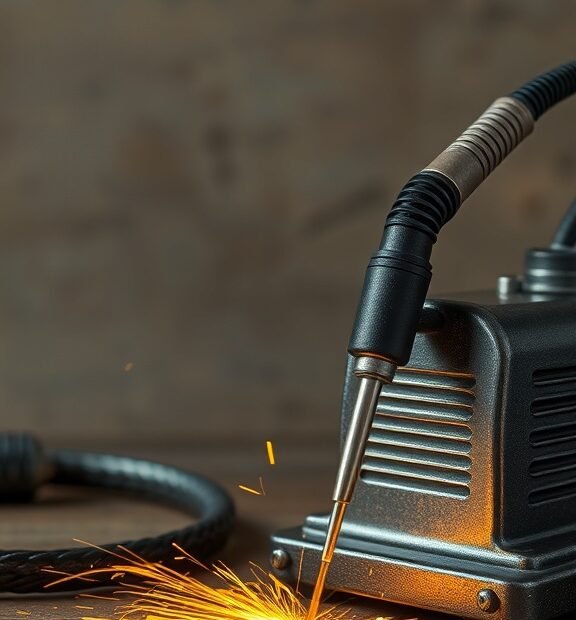
The Benefits and Drawbacks of Using Gas Soldering Irons
Gas soldering irons are popular tools for various DIY and professional soldering tasks. One of their main advantages is portability, making them ideal for on-the-go projects. But are gas soldering irons any good? Let’s explore the benefits and drawbacks of using them, helping you make an informed decision.
Benefits of Gas Soldering Irons
Gas soldering irons come with several benefits that can enhance your soldering experience:
- Portability: Being cordless, gas soldering irons allow you to work anywhere without worrying about power sources. This makes them perfect for outdoor projects, remote locations, or just moving around your workshop.
- Fast heating: Many gas soldering irons heat up quickly, reducing your waiting time. They often reach optimal temperatures in a matter of seconds, enabling you to start your project almost immediately.
- Versatility: You can use these tools for a variety of tasks beyond soldering, such as heat shrink tubing, softening adhesives, or even lighting charcoal grills. This versatility might save you from having multiple tools around.
- Adjustable temperature: Most gas soldering irons feature adjustable flame capabilities. This flexibility allows you to customize the heat intensity according to the specific requirements of your project, which can be crucial for delicate work.
- Cost-effective: Gas soldering irons can be more budget-friendly than their electric counterparts. Many users find them to be a worthwhile investment, especially if they frequently work in areas without electrical outlets.
Drawbacks of Gas Soldering Irons
While gas soldering irons have numerous advantages, they are not without their downsides. Here are some important considerations:
- Fuel dependency: Since they run on gas, you’ll need to keep fuel on hand. Running out of fuel can halt your project until you can refill it, making planning ahead essential.
- Learning curve: New users may experience a learning curve. Mastering the flame control and temperature adjustments takes practice. If you’re used to electric soldering irons, the transition may be challenging at first.
- Potential safety hazards: Because they use an open flame, gas soldering irons can pose safety risks if not handled correctly. Always make sure to use them in well-ventilated areas and keep flammable materials away from the flame.
- Maintenance: Gas soldering irons require regular maintenance to ensure they work effectively. Clogged tips or poor fuel connections can interfere with performance and safety.
When Should You Use a Gas Soldering Iron?
Gas soldering irons are ideal for specific situations. Here are a few examples:
- Outdoor Projects: If you’re soldering outdoors or at remote sites without power, a gas soldering iron is a perfect solution.
- Heavy-Duty Tasks: For larger jobs that require sustained heat, these tools can perform better than electric options due to their continuous heat generation.
- Versatile Applications: If you need a multipurpose tool for different heating tasks, a gas soldering iron can cover a wide array of needs.
Who Should Consider Using Gas Soldering Irons?
Consider a gas soldering iron if you are:
- A DIY enthusiast who loves taking on various home improvement projects that require soldering skills.
- A professional tradesperson who needs a reliable tool for work away from an electrical supply.
- A hobbyist who enjoys crafting, repairing electronics, or working on models.
Whether gas soldering irons are suitable for your needs depends on your specific projects and preferences. They offer portability, fast heating, and versatility, but also come with some considerations, such as fuel dependency and safety issues. By weighing these pros and cons, you will be better equipped to determine if this tool is right for you.
Comparing Gas Soldering Irons with Electric Soldering Irons: Which is Better?
When it comes to soldering, choosing the right tool can make all the difference in your project. Gas soldering irons and electric soldering irons are two popular options, each with unique advantages and drawbacks. Understanding these differences can help you decide which is better for your specific needs and tasks.
Portability
One of the biggest advantages of gas soldering irons is their portability. Since they run on gas, you can use them anywhere, even in places without electricity. This makes them ideal for outdoor projects or remote locations. If you often find yourself working in different environments, a gas soldering iron can be a game-changer.
On the other hand, electric soldering irons require a power outlet. This sometimes limits where you can work. If you mainly work in a fixed location, like a workshop, an electric soldering iron might be satisfactory.
Heating Time
Gas soldering irons generally heat up quickly. They can reach high temperatures in just a few seconds, allowing you to start soldering right away. This efficiency is particularly useful when you’re on a tight schedule or working on multiple projects. You can expect a gas soldering iron to become operational much faster than most electric models.
Electric soldering irons take longer to heat up, which can be frustrating if you’re in a rush. While some high-end electric models are designed for faster heating, they usually still can’t compete with the convenience of gas soldering irons.
Temperature Control
Temperature control is crucial for achieving good solder joints. Gas soldering irons typically allow for some degree of temperature regulation by adjusting the gas flow. This feature gives you more control over the heat you apply, which can be particularly helpful for sensitive electronic components.
Electric soldering irons usually come with preset temperature settings, making them easy to use but less adaptable. Once you choose a setting, you might not have the ability to fine-tune it as you could with gas models. If you’re working on intricate tasks, consider how much control you need over the temperature and which model offers that best.
Durability
In terms of durability, gas soldering irons are generally more rugged compared to electric ones. The robust design often withstands rough handling and outdoor conditions better than their electric counterparts. If your projects involve a lot of travel or sometimes hazardous work environments, a gas soldering iron will likely hold up well over time.
Electric soldering irons, however, are more delicate. If you drop one or expose it to moisture, it can malfunction. If your work environment is stable and controlled, an electric model might fit your needs just fine.
Cost and Maintenance
The initial cost of gas soldering irons can be higher due to the need for gas refills and the cost of the tool itself. However, their long-term usability can offset the initial investment. Gas soldering irons usually need less maintenance compared to electric soldering irons, which may require repairs or part replacements over time.
Electric soldering irons, on the other hand, have a lower entry price point. You can find a good quality electric soldering iron for inexpensive prices, especially for beginners. However, you might incur additional costs for replacement tips or other accessories.
Recommended For
- Gas Soldering Irons: Best for outdoor use, projects requiring high-temperature soldering quickly, and those needing portability.
- Electric Soldering Irons: Ideal for beginners, controlled environments, and work requiring less frequent portability.
Ultimately, the best soldering iron for you depends on your specific needs and conditions. Gas soldering irons shine in portability and temperature control, while electric soldering irons offer convenience for stationary use. Evaluate your project requirements and choose the soldering tool that aligns best with your goals.
Conclusion
When considering whether gas soldering irons are a good choice, it’s essential to balance the benefits and drawbacks. Gas soldering irons provide excellent portability and flexibility, making them ideal for outdoor projects and situations where access to an electrical outlet is limited. Their fast heating capability allows you to get started quickly, saving you time on the job. Moreover, you can continue working even in less-than-ideal environments where electricity may be an issue.
However, potential drawbacks, such as maintenance and refueling, cannot be overlooked. Gas variations can require regular upkeep to ensure they function efficiently, and you need to manage fuel levels during use. This can be a hassle for some users who prefer the consistent convenience of electric soldering irons.
When comparing gas soldering irons to electric models, each has clear advantages depending on your specific needs. Electric soldering irons typically offer better control over temperature, which can lead to cleaner, more precise work. They are also easier to handle for extended periods, making them suitable for detailed or intricate projects.
Your decision should reflect the type of work you do most frequently. If you’re someone who values portability and versatility, gas soldering irons may be the right tool for you. However, if precision and ease of use are priorities in your projects, investing in an electric soldering iron might be wiser. Ultimately, knowing the pros and cons of each type will help you make the best choice for your soldering needs.