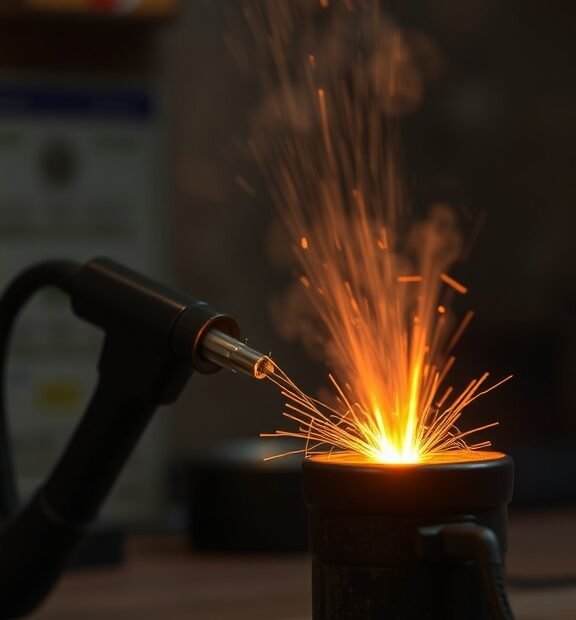
The Effectiveness and Versatility of Butane Soldering Irons in Various Applications
Butane soldering irons have gained popularity among both hobbyists and professionals due to their portability and versatility. These handy tools utilize butane gas as fuel, offering a powerful flame that heats up quickly, making them ideal for various soldering tasks. But are butane soldering irons any good? Let’s explore their effectiveness and how they can be applied in different scenarios.
One major advantage of butane soldering irons is their ease of use. Unlike traditional electric soldering tools, which depend on connecting to a power source, a butane soldering iron can be operated almost anywhere. This portability factor is especially beneficial for outdoor projects or work environments where power outlets are scarce. You can simply refill the iron with butane, and it’s ready to go, making it a convenient choice for DIY enthusiasts.
When it comes to effectiveness, butane soldering irons can deliver high temperatures reaching over 2,500°F (1,370°C). This intense heat allows for quick soldering of various materials like copper, aluminum, or even delicate components. For example, if you’re working on a plumbing project, a butane soldering iron can easily join copper pipes without the need for extensive equipment. Its ability to produce heat efficiently makes soldering tasks faster and more manageable, which is essential for any project timeline.
Versatility is another strong point of butane soldering irons. They can be used for a range of applications beyond just soldering. Some of these applications include:
- Heat shrink tubing: Quickly heat shrink the tubing over wires to protect connections.
- Desoldering: Easily remove solder from circuit boards or other electronic devices.
- Wood burning: Create intricate designs in wood with the high temperature.
- Torching: Use the flame for various culinary purposes, such as caramelizing the tops of crème brûlée.
- Pyrography: Craft beautiful artwork or personalization on wooden surfaces.
The design of a butane soldering iron often features a flexible soldering tip. This allows for precise application, especially in tight spaces or when working with small electrical components. Its compact size can be beneficial for carrying in toolkits or even in pockets. However, it is crucial to ensure safety precautions when using these tools. Always work in a well-ventilated area and be cautious of the high temperatures to avoid burns or accidents.
One might wonder how a butane soldering iron compares to its electric counterparts. While electric soldering irons are excellent for stationary workbenches and provide consistent heating, they can’t match the portability of butane models. Plus, if you lose power or are away from electrical sockets, your electric soldering iron is virtually useless. In contrast, a butane soldering iron shines in versatility and convenience. It’s perfect for fieldwork, on-site repairs, and outdoor projects.
Another factor to consider is the fuel cost. Butane gas is generally affordable and readily available. Refill canisters might be required, but they typically last a long time, making the running cost low compared to electric models which could increase your electricity bill over time. Thus, many users find butane soldering irons a cost-effective solution, especially for those who frequently engage in soldering projects.
It’s worth noting that while butane soldering irons have many advantages, they aren’t without limitations. For instance, because they rely on a flame, there can be a risk of overheating delicate components. Therefore, caution must be taken during use, especially when working with sensitive electronics.
Butane soldering irons provide an effective and versatile approach to soldering and other applications. Their portability, ease of use, and high-temperature capabilities make them a valuable tool in any toolbox. If you are considering whether to invest in one, think about your specific needs. If you need a reliable tool that can work in various environments and tackle different tasks, a butane soldering iron might be the ideal choice for you.
Key Factors to Consider When Choosing a Soldering Iron for Your Projects
Choosing the right soldering iron for your projects is crucial for achieving high-quality results, whether you’re a beginner or a seasoned hobbyist. With various types of soldering irons available, it’s essential to focus on several key factors that can significantly impact your soldering experience. Let’s explore these factors to help you make an informed decision.
Power Rating
The power rating of a soldering iron is a critical consideration. Most soldering irons range from 20 watts to 80 watts. A higher wattage means that the iron can heat up faster and maintain its temperature better during work. If you’re working on thick materials or larger components, opt for a soldering iron with a higher wattage. Typically, a 40 to 60-watt soldering iron is suitable for a wide range of projects, including electronics and hobby projects.
Temperature Control
Having adjustable temperature control can make a significant difference in your soldering projects. This feature allows you to set the optimal temperature based on the materials you’re working with. Some soldering irons come with a dial, while others may have digital displays. Here’s why temperature control matters:
- Prevents Damage: Different solder and components require different temperatures. Too high a temperature can damage sensitive electronic parts.
- Improved Precision: With precise temperature settings, you can achieve better solder joints, which leads to enhanced reliability.
- Versatility: A soldering iron with adjustable temperature can cater to different types of solder and materials, making it more versatile for various projects.
Tip Compatibility
The tip of your soldering iron is where most of the work happens, so compatibility matters. Various tips can help you achieve different soldering techniques and styles. Look for a soldering iron that has interchangeable tips, allowing you to switch based on your needs. Here are a few common tip shapes and their uses:
- Conical Tips: Great for precision work and small surface areas.
- Chisel Tips: Ideal for larger joints and better heat transfer.
- Flat Tips: Excellent for soldering multiple connections simultaneously.
Heating Element Type
There are two primary heating element types in soldering irons: conventional and ceramic. Conventional soldering irons heat up slowly but are generally less expensive. Ceramic heating elements, on the other hand, heat up quickly and maintain consistent temperatures. If you want efficiency and a faster start-up time, consider a soldering iron with a ceramic heating element.
Ergonomics and Design
Soldering can be a detailed task that requires significant focus. Therefore, choosing a soldering iron that feels comfortable in your hand is critical. Look for features that enhance ergonomics:
- Grip: A non-slip handle can prevent fatigue during long work sessions.
- Weight: A lightweight soldering iron reduces strain on your wrist.
- Cordless Options: If you prefer mobility, there are cordless soldering irons, often powered by butane or battery packs, giving you freedom to move around.
Safety Features
Safety should always be a priority when working with soldering tools. Look for these important safety features:
- Auto Shut-Off: This feature turns off the soldering iron after a period of inactivity, minimizing the risk of burns or fire.
- Stand: A secure, heat-resistant stand is a must-have to prevent accidental contact with surfaces and various materials.
- Thermal Insulation: Some soldering irons offer insulation that protects against accidental burns when touching the body of the soldering iron.
Budget Considerations
Your budget will influence your decision. Soldering irons can vary widely in price, reflecting their features and quality. Investing in a good-quality soldering iron can pay off in the long run with better performance and durability. Assess your specific needs and find a soldering iron that balances quality with your budget constraints.
By considering these key factors—power rating, temperature control, tip compatibility, heating element type, ergonomics, safety features, and budget—you’ll be better positioned to select a soldering iron that meets your project requirements effectively. Armed with the right tool, the quality of your soldering work will undoubtedly improve, paving the way for successful projects ahead!
Conclusion
When evaluating whether butane soldering irons are a good choice for your projects, it’s essential to consider their effectiveness and versatility. These tools are particularly beneficial for tasks that require high portability and flexibility, making them ideal for fieldwork or situations where access to a power outlet is limited. Their ability to rapidly reach high temperatures means you can tackle various soldering tasks, from electronics to metalwork, without much delay.
However, selecting the right soldering iron goes beyond just convenience. You should think about factors such as the heat output, ignition mechanism, and tip compatibility to ensure it meets your specific needs. A high-quality butane soldering iron can provide a seamless soldering experience, but the wrong choice might lead to challenges like inconsistent heating or difficulty with precision.
Ultimately, the decision hinges on what kind of projects you plan to undertake. If you value mobility and a quick heat-up time, butane soldering irons can be an excellent solution. However, if your work requires constant power or specific soldering techniques, you might need to explore other options. By weighing the pros and cons and considering your unique requirements, you can confidently determine if a butane soldering iron is the right fit for your toolshed. Whether you’re a hobbyist or a professional, understanding these elements will lead you to make an informed choice that enhances your soldering experience.