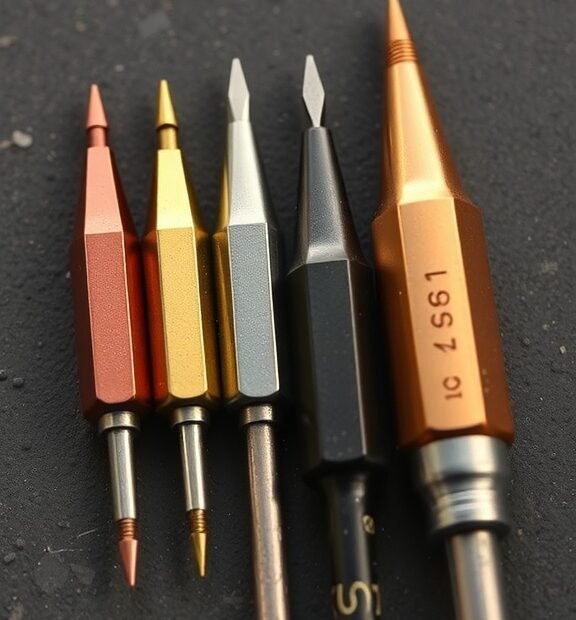
Are all soldering iron tips the same size? Exploring variations and their impact on soldering projects
Soldering is a skill prized by hobbyists and professionals alike, serving as a foundation for numerous electronics projects. When it comes to soldering, you might wonder, “Are all soldering iron tips the same size?” The answer is no; soldering iron tips come in various sizes and shapes, and this diversity can significantly impact your soldering work.
Soldering iron tips are designed for different applications. Using the correct tip for your project can make soldering easier, more effective, and produce stronger joints. Let’s explore the variations in soldering iron tips, their sizes, types, and how they can influence your soldering outcomes.
Types of Soldering Iron Tips
Understanding the types of soldering iron tips is paramount to optimizing your soldering experience. Here’s a breakdown of the most common types, each varying in size and shape:
Soldering Stations | Easy 60 Day Return
- Conical Tip: This tip is sharp and pointed, ideal for precision work, such as soldering small components or intricate circuit boards. The size can vary typically from 0.2 mm to 1.0 mm.
- Chisel Tip: Chisel tips are flat and wide, providing a larger surface area for contact. They are great for soldering larger joints or multiple connections at once. Sizes vary typically from 1.0 mm to 5.0 mm.
- Knife Tip: Similar to chisel tips but tapered, knife tips are perfect for soldering high-density components. These tip sizes can range from those suitable for small connections to larger applications.
- Bevel Tip: This is a variation of the chisel tip, offering a sloped edge for better access in tight spaces. Bevel tips typically vary in widths from 1.0 mm to 3.0 mm.
Size Matters in Soldering Iron Tips
The size of your soldering iron tip directly affects your work. A smaller tip provides precision for tiny components, while larger tips can deliver heat more efficiently and cover greater areas. Consider the following:
- Using a small tip on a large joint can result in insufficient heat transfer, leading to cold solder joints.
- A large tip may be unwieldy for delicate, intricate work that requires precision.
- Choosing the right size can reduce the risk of damaging sensitive components due to overheating.
Impact of Tip Size on Soldering Projects
Choosing the correct size and type of soldering iron tip is crucial for the success of your projects. Here’s how different tip sizes can impact your soldering:
Soldering Stations | Easy 60 Day Return
- Heat Transfer: Larger tips transfer heat more quickly and can heat larger areas more effectively than smaller tips. If you’re working on larger boards, a bigger tip is usually more effective.
- Precision: Small tips are excellent for detailed work where precision is key. When you’re soldering tiny resistors or ICs, a conical tip can help avoid accidental solder bridges.
- Wicking and Solder Flow: The right tip ensures that solder flows well. A poorly chosen tip might not allow adequate control, affecting the quality of the solder joint.
Selecting the Right Tip for Your Needs
When deciding which soldering iron tip to use, consider the following:
- Project Size: Bigger projects may require larger tips for efficient heat transfer.
- Component Type: Different components may need specific types of tips. For instance, SMT components benefit from fine-point tips.
- Personal Comfort: It’s important to choose a tip you feel comfortable using, especially during prolonged sessions. Ergonomics can greatly influence your soldering experience.
Soldering iron tips come in various sizes for good reason. Each type is uniquely designed for specific tasks and applications. Understanding these differences equips you with the knowledge to choose the right tip for your soldering projects. Larger tips are not necessarily better; the effectiveness of your soldering depends on matching the right size and shape to your specific needs. So next time you pick up a soldering iron, think about the tips and sizes that will best serve your project, ensuring strong and reliable connections.
Choosing the right soldering iron tip: Factors to consider for optimal performance
When working on electronic projects, the right soldering iron tip makes all the difference to your results. You’ve likely noticed that soldering iron tips come in various shapes and sizes. Choosing the correct tip is crucial for optimal performance, as it affects heat transfer, precision, and the quality of your work. Here are some important factors to consider.
Soldering Stations | Easy 60 Day Return
Size and Shape
The size and shape of the soldering iron tip can dramatically influence your soldering experience. Different types of tips serve different purposes. Common shapes include:
Soldering Stations | Easy 60 Day Return
- Conical: Perfect for precise soldering tasks, ideal for fine electronics.
- Chisel: Great for surface mount soldering and general use, allowing for better heat transfer.
- Bevel: Useful for working on larger surfaces or in tight spaces, where accuracy and coverage matter.
- Knife: Best for making quick adjustments and soldering connections that need a broader area.
Choose a tip based on the specifics of your task. For instance, if you’re working on tiny circuit boards, a conical tip will give you the precision you need, while a chisel tip is better for larger components.
Thermal Conductivity
Soldering Stations | Easy 60 Day Return
The thermal conductivity of a soldering tip is essential for efficient soldering. Copper is commonly used for tips due to its excellent heat transfer properties. However, some copper tips are plated with a thin layer of nickel or iron to improve durability and prevent oxidation. When selecting a tip, ensure it retains heat well and recovers quickly after touching the solder. This will enhance your soldering speed and accuracy.
Compatibility with Your Soldering Iron
Soldering Stations | Easy 60 Day Return
Not all soldering iron tips fit every soldering iron. Before purchasing a new tip, check the compatibility with your soldering station. Each soldering iron model often has specific recommendations for tip sizes and styles. Using the right one will ensure proper heating and fit, preventing potential damage to both the tip and the iron.
Diameter
Soldering Stations | Easy 60 Day Return
The diameter of the tip affects how much solder you can apply at once. A wider tip allows for more solder but may not provide the precision needed for delicate tasks. On the other hand, a narrow tip is excellent for intricate work but may require you to feed more solder into the joint, which can be inefficient. Assess the requirements of your specific project to determine the best diameter for your needs.
Coating and Durability
Soldering Stations | Easy 60 Day Return
Many soldering tips come with special coatings to increase their lifespan. A good soldering tip should resist oxidation, which not only extends its useful life but also keeps it clean and effective. Look for tips that offer a high-quality coating such as nickel or a proprietary anti-oxidation material. Invest in quality tips, as they will not only perform better but also save you money in the long run by reducing the need for frequent replacements.
Heat Settings
Soldering Stations | Easy 60 Day Return
Matching your soldering iron’s heat settings with the tip you choose is vital for optimal performance. Some tips require higher temperatures to work effectively, particularly when soldering larger joints or working with lead-free solder. Always refer to the manufacturer’s specifications when setting the temperature, as excessive heat may damage sensitive electronic components or the tip itself.
Usage Frequency
Soldering Stations | Easy 60 Day Return
If you solder frequently, consider investing in premium tips designed for high usage. These tips often last longer and maintain their performance under continuous use. Less frequent users may opt for standard options, but it’s essential to manage tip wear and replacements to maintain effective soldering capabilities.
Price and Availability
Soldering Stations | Easy 60 Day Return
Consider the cost and availability of soldering tips. While it may be tempting to purchase cheaper options, remember that lower costs can also equate to lower performance. Finding a balance between price and quality is essential. Look for reputable brands that provide value through durability and effectiveness.
Choosing the right soldering iron tip greatly impacts your project outcomes. Assess your specific needs, project type, and soldering frequency to ensure you select tips that provide both precision and functionality. With the right tips, you can enhance your soldering skills, achieving better results with ease.
Conclusion
Understanding that not all soldering iron tips are the same size is crucial for anyone engaging in soldering projects. Variations in size and shape can significantly impact your work, influencing not only the ease of soldering tasks but also the quality of your connections. Whether you’re a hobbyist or a seasoned professional, choosing the right soldering iron tip tailored to your specific needs can enhance your overall performance and results.
Soldering Stations | Easy 60 Day Return
When selecting a soldering iron tip, consider factors such as the type of project, the size of the components, and the precision required. For delicate electronics, a finer tip may be necessary to avoid damaging nearby components, while larger connections may benefit from broader tips that can deliver heat more efficiently. This careful consideration can greatly improve your soldering technique and lead to more professional-looking results.
Moreover, experimenting with different tips can help you refine your skills and discover what works best for you. Remember that a well-chosen tip can make even the most complex tasks manageable, ultimately boosting your confidence and proficiency in soldering.
Soldering Stations | Easy 60 Day Return
By taking the time to explore the variations in soldering iron tips and understanding the factors that influence performance, you’ll be better equipped to tackle any soldering project you encounter. As you refine your skills and adapt your tools to your specific needs, you’ll find that the right soldering iron tip is an essential component in achieving successful and satisfying outcomes in your work.