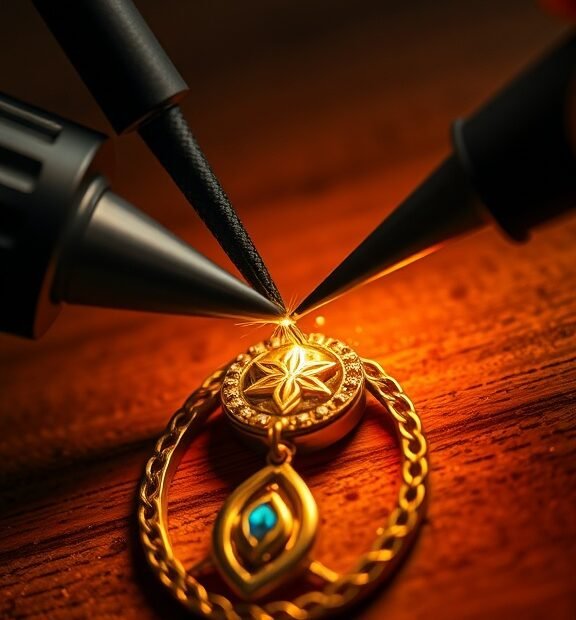
Techniques and Tips on How to Solder Jewelry with a Soldering Iron
Creating jewelry through soldering can be a rewarding craft, allowing you to express your creativity while producing beautiful pieces. If you’re looking to dive into the world of jewelry making, knowing how to solder jewelry with a soldering iron is essential. Below, you’ll find techniques and tips to help you master this skill.
Choosing the Right Soldering Iron
When you begin your jewelry-making journey, selecting the appropriate soldering iron is crucial. Here are some tips to help you choose:
- Temperature Control: Opt for a soldering iron with adjustable temperature settings. A range of 350°F to 450°F is ideal for jewelry work.
- Tip Size: Use a fine tip for precise solder applications. Smaller tips allow for better control, especially in tight areas of your design.
- Wattage: A soldering iron between 25W to 100W is suitable. Higher wattage will heat up faster but requires careful handling.
Gathering Your Materials
To solder jewelry successfully, you need the right materials. Here’s a basic list:
Soldering Iron Kits & Accessories
- Metal Pieces: The metals you’re working with will determine the type of solder you’ll use.
- Solder: Choose a solder that matches your metal, such as silver solder for silver pieces.
- Flux: This helps to clean the metal surfaces and ensures a smooth weld.
- Work Surface: A heat-resistant work surface, like a soldering block, is essential.
- Protective Gear: Always wear safety glasses and heat-resistant gloves.
Preparing Your Workspace
Your workspace should be clean, organized, and well-lit. Gather all your materials within reach to avoid searching for them mid-project. Ensure your work area is free from flammable materials and clutter.
Steps to Solder Jewelry
1. Clean the Surfaces: Before soldering, clean the metal pieces with a cloth and a cleaning solution or alcohol. This removes dirt and oils, ensuring proper adhesion.
Soldering Iron Kits & Accessories
2. Apply Flux: Coat the areas to be joined with flux. Flux helps to prevent oxidation and improves solder flow.
3. Align the Pieces: Position your metal pieces accurately. You can use clamps to hold them in place while you work.
Soldering Iron Kits & Accessories
4. Heat the Iron: Turn on your soldering iron and let it reach the desired temperature. Test it on a scrap piece first to ensure it’s ready.
5. Apply the Solder: Touch the solder to the joint while bringing the heated iron in contact with the metal. The solder will melt and flow into the joint. Remove the iron once the solder has connected the pieces, and avoid moving them until the solder cools.
Soldering Iron Kits & Accessories
6. Inspect the Joint: After cooling, examine the solder joint for strength and smoothness. If needed, you can pick off excess solder and reheat the area for adjustments.
Post-Soldering Steps
After you finish soldering, some additional steps are necessary:
Soldering Iron Kits & Accessories
- Clean the Jewelry: Use a gentle scrubbing brush and soapy water to remove any remaining flux.
- Polish the Surface: A polishing cloth can help to bring back shine to your finished piece.
- Check for Weak Joints: Gently flex the piece to ensure all joints are secure and hold well.
Common Mistakes to Avoid
As with any skill, beginners may encounter some common problems. Here are a few to watch out for:
- Overheating the Metal: This can cause warping or discoloration. Always maintain a steady hand and monitor the temperature.
- Not Using Enough Flux: Insufficient flux may cause poor adhesion. Remember, the right amount of flux is crucial for effective soldering.
- Ignoring Safety Precautions: Always wear protective gear and work with caution to prevent burns or accidents.
By keeping these techniques and tips in mind, you’ll be well-equipped to solder jewelry effectively with a soldering iron. Remember, practice is key. The more you experiment and create, the better you will become at mastering this art form.
Common Mistakes to Avoid When Soldering Jewelry
Soldering jewelry can be both a rewarding and creative process. However, many enthusiasts encounter common pitfalls that can hinder their success. By being aware of these mistakes, you can improve your soldering skills and create beautiful pieces of jewelry. Let’s explore some of the common mistakes to avoid when working with a soldering iron.
Soldering Iron Kits & Accessories
Not Preparing Your Work Area
One of the first mistakes beginners make is neglecting to properly prepare their work area. A cluttered or disorganized space can lead to accidents and mistakes. Ensure that you have:
- A clean, flat surface to work on.
- All your tools within reach, including flux, solder, a soldering iron, and safety gear.
- Good lighting to see what you’re doing clearly.
Skipping the Safety Gear
Another common error is forgetting to wear proper safety gear. Even if you feel confident in your soldering abilities, accidents can happen. Always wear:
Soldering Iron Kits & Accessories
- Safety glasses to protect your eyes from hot metal and flux fumes.
- A well-fitted apron to shield your clothes and skin from molten solder.
- Heat-resistant gloves to protect your hands.
Choosing the Wrong Type of Solder
Using the incorrect type of solder can lead to weak joints that easily break apart. Silver solder, for example, is a popular choice for jewelry because of its strength and durability. Ensure you are picking solder that is suitable for the metals you are working with. Here’s a quick guide:
- Soft solder is good for non-precious metals but not ideal for jewelry.
- Silver solder is excellent for silver jewelry and comes in different strengths.
- Gold solder should be used for gold pieces to maintain the metal’s integrity.
Neglecting to Clean Your Metals
Another crucial step that is often overlooked is the cleaning of your metals before soldering. Any dirt, oil, or oxidation on the surface can prevent a successful solder joint. Always:
Soldering Iron Kits & Accessories
- Clean the surfaces with a metal file or sandpaper to expose fresh metal.
- Use a degreaser or mild soap to remove any oils.
- Rinse and dry thoroughly before applying solder.
Using Too Much Flux
While flux is essential for preventing oxidation during the soldering process, using too much can create issues. Excess flux can lead to a messy work area and may even cause the solder to run unexpectedly. To avoid this mistake:
- Apply a thin layer of flux to the joints where solder will be added.
- Too much flux can create a barrier that impedes the flow of solder.
Overheating the Metal
Overheating is another common mistake that can ruin your soldering project. If the metal gets too hot, it may warp, discolor, or even melt away. To prevent overheating:
Soldering Iron Kits & Accessories
- Use the soldering iron with controlled heat settings.
- Keep the tip moving over the joint to distribute heat evenly.
- Allow the metal to come to temperature gradually instead of pushing the heat too quickly.
Not Testing the Joint Before Soldering
Failing to properly test the fit of your pieces before soldering can lead to misaligned joints and wasted materials. Before you apply solder, always:
- Ensure that the joints fit snugly together.
- Make adjustments as needed for an ideal fit.
Neglecting Post-Soldering Techniques
Neglecting the finishing steps after soldering can leave your jewelry looking unpolished. Remember to:
Soldering Iron Kits & Accessories
- Inspect the joint to ensure it is secure.
- Use a pickle solution to clean off flux residue.
- Polish the whole piece for a professional finish.
By steering clear of these common mistakes, you can enhance your soldering jewelry skills significantly. Take your time, practice regularly, and watch your creations come to life with beautifully soldered joints.
Conclusion
Soldering jewelry with a soldering iron can be a fulfilling and creative process when approached with the right techniques and mindset. By mastering techniques such as proper temperature control, using the right solder, and ensuring clean surfaces, you can achieve strong, professional-looking joints in your jewelry pieces. It’s important to take your time and practice these techniques to build your skills—patience and precision will lead to better results.
As you embark on your soldering journey, keep in mind the common mistakes that can hinder your progress. Avoid rushing the process, skipping essential safety measures, or using inadequate tools. Each of these pitfalls can lead to frustration and unsatisfactory results. By staying aware of these potential issues, you can focus on improving your craftsmanship and create beautiful, lasting jewelry.
Soldering Iron Kits & Accessories
Ultimately, soldering is about experimentation and personal expression. Allow yourself to make mistakes and learn from them. With consistent practice and a willingness to learn, you’ll gain confidence in your soldering abilities, unlocking new creative possibilities. Dive into your next jewelry project armed with these techniques and insights, and enjoy the rewarding journey of crafting unique pieces that reflect your personal style. Your journey in soldering will not only enhance your skills but also enhance your passion for jewelry making, leading to stunning outcomes that you can be proud of.