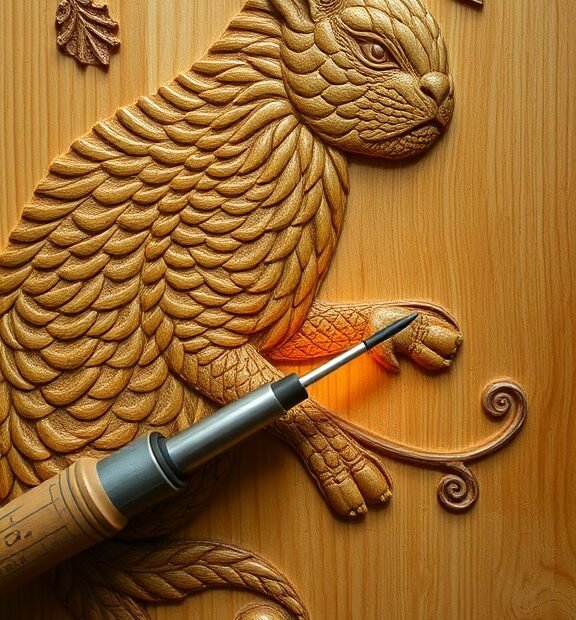
Exploring the Feasibility: Can You Use a Soldering Iron for Pyrography?
If you’ve ever admired the beautiful art of pyrography, you might wonder if a soldering iron could be used as a tool for creating intricate wood designs. Pyrography, often referred to as wood burning, involves using heat to etch designs onto various surfaces, primarily wood. While this technique sounds straightforward, using the right tools plays a critical role in achieving the desired results. Let’s explore whether a soldering iron can be a useful tool for pyrography.
Firstly, it’s essential to understand what a soldering iron is. A soldering iron is typically used in electronics for joining metal components by melting solder. These tools can reach high temperatures and have a fine tip, enabling control over detailed work. However, that leads to the question: can these features be beneficial when it comes to the art of pyrography?
Using a soldering iron for pyrography is feasible, but there are important factors to consider:
- Temperature Control: A soldering iron usually has a set temperature, which may not be adjustable. Pyrography requires different heat levels for varying effects, ranging from light shading to deep burning. If you can find a soldering iron with adjustable temperature settings, it will be much more advantageous for achieving diverse designs.
- Tip Shape: The tips of soldering irons are generally designed for melting solder, which may not provide the versatility needed for pyrography. Specific pyrography tools have interchangeable tips designed for different effects, like fine lines, shading, or large fills. If you choose to use a soldering iron, look for one with a fine tip that can produce the delicate lines often seen in pyrography.
- Heat Retention: Soldering irons can sometimes cool down quickly, especially if lifted from the wood surface for too long. This can disrupt your design process. In contrast, dedicated pyrography pens are designed to retain heat for longer periods, allowing for uninterrupted work.
While there are pros and cons, there are several steps you can take to ensure success when using a soldering iron for pyrography:
- Practice First: Before diving into a complex project, practice on a scrap piece of wood. This will give you a feel for how the soldering iron performs and help you adjust your technique as needed.
- Monitor Temperature: Keep an eye on your soldering iron’s temperature. If it’s continuously too hot, you might burn the wood too quickly, leading to unwanted results.
- Use Recommended Materials: Ensure you’re using wood types that are compatible with your soldering iron. Softwoods like pine work well for beginners, while more robust woods may need a specialized pyrography tool.
- Keep It Steady: Stability is key when practicing pyrography. Use a steady hand or even a small table to help ensure your strokes are smooth and controlled.
Additionally, it’s crucial to recognize the skills you might miss out on when using a soldering iron instead of a dedicated pyrography pen. Dedicated pens often come with various attachments that allow for greater creative expression, from versatile tips for shading to various temperature settings. This means that while you can use a soldering iron, it limits the potential of your artwork to some degree.
It’s also important to acknowledge safety while working with any heated tool. Always use appropriate safety gear, such as gloves, and work in a well-ventilated area. Pyrography can produce fumes, especially with treated wood, so prioritize your health while enjoying this artistic endeavor.
While it is possible to use a soldering iron for pyrography, dedicated pyrography tools offer a significant advantage in terms of flexibility, control, and artistic potential. If you’re serious about exploring pyrography as a hobby, investing in the right tools can make a world of difference. However, a soldering iron can serve as a decent starting point for beginners, letting you get a feel for the art without a hefty upfront investment. With practice, you’ll discover your unique style, regardless of the tool you choose to wield.
Essential Tools for Beginners in Pyrography: Comparisons and Recommendations
When starting in pyrography, having the right tools can make all the difference in your experience and results. Pyrography, or wood burning, is an art form that involves using a heated tool to create designs on wood or other materials. For beginners, understanding the essential tools can help avoid frustration and enable creativity. Here are some key tools you should consider.
1. Soldering Iron vs. Pyrography Pen
Many newcomers wonder whether a soldering iron can serve as a pyrography tool. While both devices generate heat, a pyrography pen is specifically designed for the art form. Pyrography pens typically offer various interchangeable tips, providing more versatility for different designs and details. A soldering iron, on the other hand, lacks these features and can make delicate work difficult.
2. Pyrography Pen Options
Investing in a pyrography pen can significantly enhance your craft. Here are a few popular options:
- Basic Pyrography Pen: Ideal for beginners, these pens typically feature a single heating element and limited tip options.
- Adjustable Pyrography Pen: Offers adjustable temperature settings, allowing for finer control over heat levels.
- Professional Pyrography Pen: These pens come with multiple interchangeable tips and advanced features like digital temperature control, perfect for experienced crafters.
3. Tips for Your Pyrography Pen
The tips you choose for your pyrography pen can change the outcome of your projects. Here are some standard tip types:
- Ball Tip: Good for dots and small details.
- Flat Tip: Ideal for shading and larger areas.
- Writing Tip: Best for text and fine lines.
By experimenting with various tips, you’ll discover which ones suit your style best.
4. Wood Types
The type of wood you choose can also affect your pyrography experience. Here are some recommended choices for beginners:
- Basswood: Soft, easy to work with, and has a smooth surface ideal for beginners.
- Pine: Readily available and affordable, but can have knots that may affect the burning process.
- Birch: Offers a hard surface that holds detail well; however, it may be more challenging for beginners.
5. Additional Tools You Might Need
While the pyrography pen is vital, additional tools will enhance your crafting experience. Consider these essential tools:
- Sandpaper: Helps smooth wood surfaces before burning for a clean finish.
- Graphite Transfer Paper: Useful for transferring designs onto wood.
- Safety Goggles or Glasses: Protect your eyes from smoke and small wood particles.
- Heat-Resistant Surface: A safe area to set your hot pen while working.
6. Safety First
Before you start, always prioritize safety. Ensure proper ventilation in your workspace to avoid inhaling smoke fumes. It’s also wise to wear a mask to filter out particulate matter released during burning. Familiarize yourself with your tools and follow the manufacturer’s instructions closely to avoid accidents.
7. Practice and Patience
Like any craft, pyrography takes practice. Start with simple designs and gradually move to more complex pieces as you gain confidence and skill. Do not get discouraged; imperfection is part of the learning process, and each piece is a step toward mastering this art form.
Choosing the right tools is essential for any beginner venturing into pyrography. While a soldering iron might be tempting to use due to its availability, investing in a dedicated pyrography pen and the right accessories will provide you with better results and enhance your overall experience. With practice and the right tools, you’ll unlock your creativity and create beautiful wooden art pieces in no time.
Conclusion
Using a soldering iron for pyrography is indeed a feasible option, especially for those just starting in the art of wood burning. While it may not offer the same precision and versatility as a dedicated pyrography pen, a standard soldering iron can still produce interesting and creative designs on wood. This is a great way for beginners to dip their toes into pyrography without making a hefty investment in more specialized tools right away.
As highlighted in this article, one of the essential tools for beginners is selecting the right type of device for your needs. If you choose to go the route of a soldering iron, it is vital to select one with interchangeable tips. This feature allows for a variety of line widths and styles, opening up more creative possibilities. On the other hand, investing in a pyrography pen can elevate your craft with more temperature control and specialized tips designed specifically for wood burning.
Ultimately, whether you stick with a soldering iron or upgrade to a pyrography pen, the most important aspect of your journey is to enjoy the creative process. Embrace your unique style, experiment with different techniques, and don’t be afraid to make mistakes—they’re all part of the learning experience. With practice, you’ll gain confidence and skill, transforming your wood into stunning pieces of art. Remember, the tools you select are just the beginning; your imagination and experimentation will guide your success in this rewarding craft.