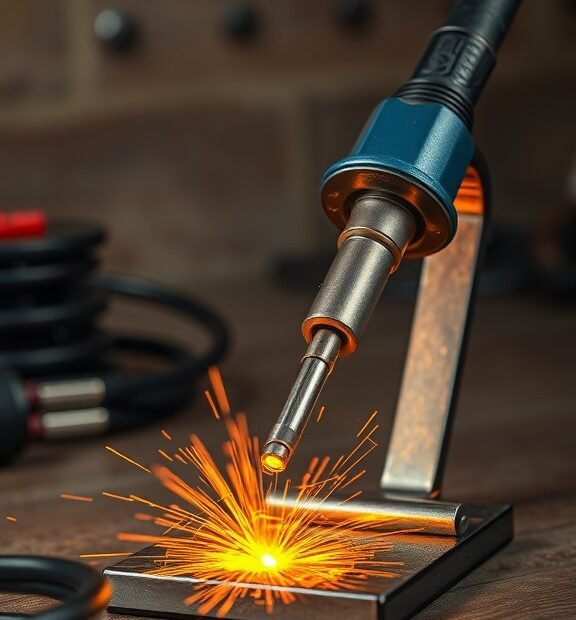
Understanding the Temperature Range of a 60 Watt Soldering Iron
When working with electronics, having the right tools is crucial. One of the essential tools you’ll encounter is a soldering iron. If you’re wondering about how hot a 60-watt soldering iron can get, you’re in the right place. Understanding the temperature range of a 60-watt soldering iron helps you choose the right tool for your project and use it effectively.
A 60-watt soldering iron is commonly used for various electronics applications, including soldering circuit boards, making jewelry, and even some plumbing tasks. The temperature range for this type of soldering iron typically falls between 350°F (177°C) and 850°F (454°C). The exact temperature can depend on several factors, including the specific model and how long the iron has been on.
Let’s break down some key points about the temperature characteristics of a 60-watt soldering iron:
Soldering Iron Kits & Accessories
- Initial Heating: Most 60-watt soldering irons will reach a usable temperature within approximately 30 seconds to 1 minute. This quick heating capability is beneficial for those who want to start working without long waits.
- Temperature Control: Some soldering irons come with adjustable temperature settings. This feature allows you to select a specific temperature based on the project at hand, ensuring you don’t overheat sensitive components.
- Heat Retention: The wattage affects how quickly the tip can regain heat after contact with materials. A 60-watt iron can maintain its temperature on the work surface well, allowing for efficient soldering without significant drops in heat.
- Applications: The high temperature and versatility make this soldering iron suitable for a variety of tasks, from light electronics to detailed hobby work.
Understanding how hot a 60-watt soldering iron can get aids you in knowing which solder and components to use. For example, solder typically used for electronics, like lead-free solder, has a melting point around 370°F (188°C). This means a 60-watt soldering iron is well-suited for the job because it reaches high enough temps to melt it quickly, ensuring a clean joint.
However, it’s crucial to manage the heat wisely. Using too high a temperature can lead to damage to sensitive electronic components, such as plastics or delicate circuit boards. Always start with a lower temperature when working with new materials or components to prevent burns or other damage.
Soldering Iron Kits & Accessories
For those who are new to soldering, it’s also important to practice safe handling methods. Here are some tips to consider:
- Grip the handle: Always hold the soldering iron by its handle away from the hot tip to prevent burns.
- Work Surface: Use a heat-resistant work surface and keep flammable materials away.
- Wear safety glasses: Protect your eyes from solder splashes while working.
Choosing the right soldering iron wattage, like a 60-watt model, can significantly impact your soldering experience. If you often find yourself soldering larger components or doing more heavy-duty work, you might need to consider higher wattage tools. However, for general use, especially with smaller electronic components, a 60-watt soldering iron provides the right balance of heat and control.
Soldering Iron Kits & Accessories
A 60-watt soldering iron can reach substantial temperatures suitable for various soldering tasks. By understanding its temperature capabilities, you can make more informed decisions about your projects and ensure better results. Always prioritize safety and take the time to master your techniques to achieve the best possible outcomes. Happy soldering!
Best Practices for Using a 60 Watt Soldering Iron Effectively
Using a 60 watt soldering iron can be a valuable skill, whether you’re repairing electronics or working on hobby projects. To get the most out of your soldering iron, it’s important to follow best practices. Here are some tips to help you use your 60-watt soldering iron effectively.
Understand the Temperature Range
A 60 watt soldering iron usually heats up to around 350°C (662°F) to 400°C (752°F). Understanding this temperature range is critical for effective soldering. Too high and you risk damaging components; too low and you won’t achieve a good connection. Always let the iron reach its full temperature before you start soldering.
Soldering Iron Kits & Accessories
Choose the Right Tip
The soldering tip you choose can make a significant difference in your soldering proficiency. Here are some common types of tips:
- Conical Tip: Good for precision work and detailed soldering.
- Chisel Tip: Ideal for building connections and working with larger wires.
- Bevel Tip: Helps in getting into tight spots and provides surface area for heat transfer.
Select a tip based on the nature of your project to maximize effectiveness.
Soldering Iron Kits & Accessories
Preparation is Key
Before you start soldering, take time to prepare your workspace. Ensure you have a clean and organized area with all required materials at hand. This includes:
- Solder wire (preferably lead-free for safety)
- Flux to improve the flow of solder
- Wire cutters for trimming excess wire
- Soldering iron stand or holder to prevent burns
By preparing in advance, you can focus on the task at hand without disruptions.
Soldering Iron Kits & Accessories
Use the Right Technique
Mastering the technique of soldering is essential for successful connections. Here are some tips:
- Heat the Connection First: Apply the soldering iron to both the component lead and the circuit board for a couple of seconds before introducing the solder. This ensures proper melting and adhesion.
- Apply Solder, Not the Iron: Once the components are hot enough, feed solder into the joint, not directly onto the soldering iron. This helps achieve a better connection.
- Remove the Iron at the Right Time: Withdraw the soldering iron only when the solder has melted and flowed into the joint.
Maintain Your Soldering Iron
Regular maintenance can significantly extend the life of your soldering iron and improve its performance.
Soldering Iron Kits & Accessories
- Clean the Tip: After every use, clean the soldering tip using a damp sponge or a brass sponge. This removes oxides and residue. A clean tip transfers heat more effectively.
- Tin the Tip: Apply a thin layer of solder to the tip before storing the soldering iron to prevent oxidation.
- Store Properly: When not in use, store the soldering iron in a safe place. Use a stand to keep it upright and prevent accidental burns.
Be Mindful of Your Environment
Soldering can produce fumes that are harmful if inhaled over long periods. Here are some measures to mitigate this:
- Ventilation: Always work in a well-ventilated area or use a fume extractor to minimize inhalation of fumes.
- Wear Safety Glasses: Protect your eyes from accidental splashes of solder.
A safe working environment enhances both your health and the quality of your work.
Soldering Iron Kits & Accessories
Practice Makes Perfect
The more you practice soldering, the better you’ll become. Start with simple projects to get comfortable with the technique. Experiment with different components, solder types, and joint styles. Over time, you’ll develop the skills to tackle more complex tasks with confidence.
By implementing these best practices, you’ll find that using a 60 watt soldering iron can be a rewarding experience. With patience and care, you’ll create strong and reliable solder joints for all of your projects.
Conclusion
When working with a 60 watt soldering iron, grasping the temperature range is essential for achieving the best results. Generally, a 60 watt soldering iron heats up to temperatures between 350°F (about 180°C) and 450°F (about 230°C). This range is ideal for most electronic soldering tasks, ensuring that your joints are strong and secure while minimizing the risk of damaging sensitive components.
Soldering Iron Kits & Accessories
To fully maximize your experience with a 60 watt soldering iron, implementing best practices is crucial. Always ensure your iron is properly heated before starting. Use a clean tip to maintain optimal heat transfer and prevent issues like solder bridging. Additionally, don’t forget to use the right type of solder for your project, as this can greatly influence the quality of your solder joints.
Another key tip is to keep your workspace organized. This not only helps you find your tools quickly but also minimizes accidents. If you’re a beginner, practicing on spare circuit boards can boost your confidence and finesse. Pay attention to common pitfalls, such as overheating components or using too much solder, which can lead to messy results.
Soldering Iron Kits & Accessories
By understanding both the temperature range and applying these best practices, you will refine your soldering skills effectively. With patience and practice, you’ll become more proficient, ensuring that your projects are not just completed but also durable and reliable. Keep experimenting and learning, and soon, you’ll find that a 60 watt soldering iron can be an indispensable tool in your toolkit.