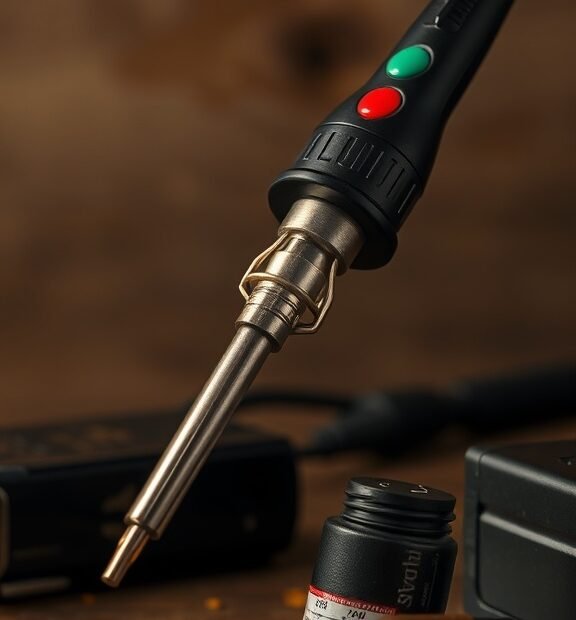
Understanding the Temperature Range of a 60 Watt Soldering Iron
When it comes to electronics, having the right tools is essential, and a soldering iron is one of the most important tools for any hobbyist or professional. If you are using a 60 watt soldering iron, understanding its temperature range can greatly influence your soldering projects. So, how hot does a 60 watt soldering iron get? Let’s delve into this crucial aspect.
A 60 watt soldering iron typically heats to a temperature range between 350°F (175°C) and 450°F (232°C). This heating capability makes it suitable for various soldering tasks, from delicate electronics to larger connections. However, it is essential to consider that temperatures can vary depending on the design of the soldering iron and the type of tip used. For instance, a chisel tip may retain heat more effectively than a pointed tip, leading to slightly different operating temperatures.
While the wattage is a good starting point for understanding the performance of a soldering iron, the actual temperature it achieves during operation is affected by several factors:
- Type of Material Being Soldered: Different materials require different temperatures. Lightweight or heat-sensitive components may be damaged at higher temperatures.
- Thickness of the Material: Thicker materials naturally require higher temperatures to achieve a proper solder joint.
- Duration of Use: The longer the soldering iron is on, the hotter it will get, especially if not in use on a joint.
- Ambient Temperature: The surrounding environment can impact how fast the soldering iron heats up and maintains its temperature.
It’s vital to use a soldering iron within the correct temperature range for the project at hand. If the iron gets too hot, you risk damaging sensitive components or creating weak solder joints. Conversely, if it doesn’t reach the required temp, you’ll be unable to create a reliable connection. Therefore, having a reliable way to measure or control the temperature is essential.
Many users opt for soldering stations that allow for temperature adjustments, providing greater precision in their work. These stations often feature digital displays that show current temperatures, which helps in managing heat better. If you are using a simple 60-watt soldering iron without such features, investing in a separate thermometer designed for measuring soldering temperatures could be beneficial.
For many applications, the common temperature range of a 60 watt soldering iron is versatile. Here are some common applications based on temperature:
- 350°F to 375°F (175°C to 190°C): Suitable for soldering small electronic components like resistors and capacitors.
- 375°F to 400°F (190°C to 204°C): Ideal for general circuit board soldering and working with more robust components.
- 400°F to 450°F (204°C to 232°C): Used for heavier connections or soldering wires.
It’s important to remember that using lead-free solder usually requires a higher temperature than traditional lead-based solder. Therefore, if you’re switching to lead-free options, you may need to adjust your workflow to accommodate the higher heat requirements.
Additionally, it’s essential to take safety precautions when using a soldering iron. Always make sure you are working in a well-ventilated area, keep flammable materials away from your workspace, and use safety glasses to protect your eyes from any splashes of molten solder.
Figuring out how hot a 60 watt soldering iron gets is not just about knowing the numbers. It’s about understanding how this information relates to your specific projects and materials. By knowing the temperature range, you can achieve better soldering results while keeping components safe. Always take care to adjust your techniques based on the soldering conditions, and you’ll find that your projects will consistently meet professional standards.
Safety Tips and Best Practices When Using a Soldering Iron
Using a soldering iron can be a rewarding part of many DIY projects or electronics repair tasks. However, it’s crucial to prioritize safety while working with these tools to prevent accidents and injuries. Understanding how to use a soldering iron safely is key to enjoying your soldering experience and producing quality work.
First and foremost, always ensure you are working in a well-ventilated area. This not only helps to dissipate fumes from solder, but also minimizes the risk of inhaling harmful substances. If you can, use a fume extractor or a fan to further protect yourself while working. Proper ventilation is essential for maintaining a safe workspace.
Before using your soldering iron, inspect it to ensure it is in good condition. Check for any frayed wires or broken components. A damaged soldering iron can be a fire hazard and may not perform well. If you notice any abnormalities, do not use the iron until you’ve made the necessary repairs or have replaced it. Keeping your tools in good condition is a foundational step towards a safe working environment.
When it comes to personal protective equipment, consider wearing safety glasses. Soldering can sometimes produce small splatters or sparks that could injure your eyes. Eye protection is a small investment for a large benefit, ensuring your vision remains safe while you work. Additionally, wearing gloves can protect your hands from burns or contact with hot surfaces, but make sure they are heat-resistant.
Always keep your work area organized. A cluttered workspace can lead to accidents, especially when working with hot tools. Make sure all your materials are within reach and keep away any flammable items, such as paper or fabric, that might come into contact with the soldering iron. A clear area will help you focus on your project and reduce the risk of mishaps.
When handling the soldering iron, always secure it in a soldering iron holder or stand when it’s not in use. This prevents accidental contact with hot surfaces, which can cause burns to your skin or start a fire. If you need to put down the soldering iron temporarily while working, ensure it is placed in a safe, designated area away from other materials.
Another critical point is to develop good soldering techniques. When you’re ready to start, hold the soldering iron firmly and aim for the joint you want to solder. Always give the iron a moment to heat before applying solder, ensuring a good bond. Remember to never touch the metal tip, as it can reach temperatures of over 400°F (204°C), depending on the wattage and type of soldering iron used.
Always consider your soldering materials. Use lead-free solder if possible, as it is less toxic than traditional lead solder. If you must use lead solder, be diligent about washing your hands afterward and keeping your work area clean to prevent lead dust from accumulating. Understanding the materials you are working with adds another layer of safety to your soldering tasks.
Here’s a quick list of essential safety tips when using a soldering iron:
- Work in a well-ventilated area.
- Inspect your soldering iron regularly for damage.
- Wear safety glasses to protect your eyes.
- Use heat-resistant gloves as an added layer of safety.
- Keep your workspace organized and free of clutter.
- Always use a soldering iron holder when the iron is not in use.
- Practice good soldering techniques for best results.
- Use lead-free solder if possible to minimize health risks.
By following these safety tips and best practices, you’ll be well on your way to safely enjoying the benefits of soldering. Remember that prioritizing safety not only protects you but also enhances the overall quality of your work. Always remain vigilant, and don’t hesitate to reach out for guidance or additional training if you’re new to soldering. Happy soldering!
Conclusion
When using a 60-watt soldering iron, it’s crucial to grasp its temperature range, which typically hovers between 350°F and 850°F (approximately 180°C to 450°C). This broad range allows for versatility in various soldering applications, whether you’re working on electronics, jewelry, or crafts. Knowing the specific temperature settings best suited for your tasks can enhance efficiency and ensure successful solder joints.
Safety is equally important. Working with high heat can pose risks, so using proper precautions is essential. Always wear protective eyewear to shield your eyes from solder splashes, and use heat-resistant gloves for hand protection. Ensure your workspace is well-ventilated, especially when soldering materials that may release fumes. Additionally, remember to place your soldering iron in a secure holder when not in use, avoiding any accidental burns or damage to surfaces.
By understanding the temperature capabilities and adhering to safety practices, you can maximize the effectiveness of your 60-watt soldering iron while minimizing risks. Embracing these guidelines not only contributes to your skill set but also fosters a safe and enjoyable soldering experience. As you gain more confidence and expertise, you’ll find that the quality of your work will improve significantly, allowing your projects to shine with professional-grade solder joints. Always approach your soldering tasks with care and respect for the tools at hand, and you’ll enjoy a rewarding journey in the world of crafting and repairs.