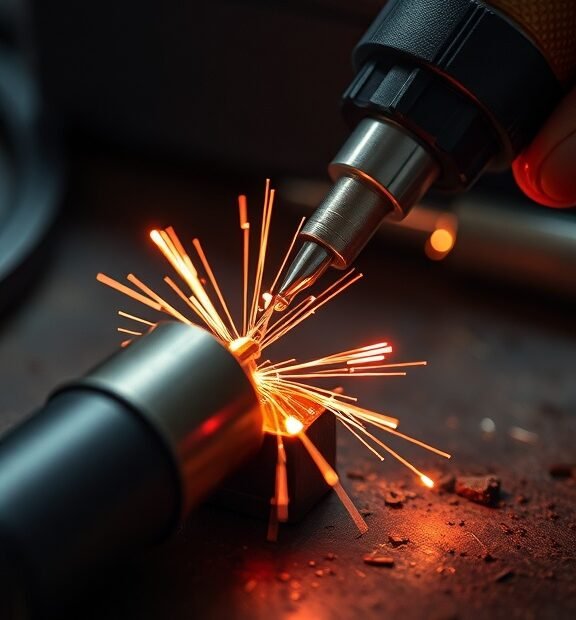
Can You Solder with a Soldering Iron: Techniques and Best Practices
Soldering with a soldering iron is a fundamental skill in electronics, crafting, and repairs. If you are wondering whether you can solder with a soldering iron, the answer is a resounding yes. This versatile tool is perfect for joining metal components, whether you’re working on wiring projects, circuit boards, or even jewelry making.
To get started, it’s essential to understand the basic techniques and best practices for soldering. Proper techniques not only improve the quality of your joints but also ensure safety and efficiency in your work. Here’s how you can solder effectively:
Understand Your Soldering Iron
Your soldering iron is a critical component in the soldering process. Here are some key points to keep in mind:
Soldering Stations | Easy 60 Day Return
- Types of soldering irons: There are various kinds, including electric, battery-operated, and even flameless options. Find one that suits your project.
- Wattage: Most soldering tasks require a wattage between 25 to 60 watts. The right wattage helps ensure quick heating and cooling.
- Tip size: Select the appropriate tip size for your project. Smaller tips are ideal for detailed work, while larger tips work better for bigger joints.
Essential Soldering Techniques
With your soldering iron in hand, here are some techniques to help you solder effectively:
- Preparation: Clean the surfaces that you will be soldering. Remove any dirt, grease, or oxidation with isopropyl alcohol and a cloth.
- Heat the iron: Turn on your soldering iron and let it reach the right temperature. This usually takes a few minutes.
- Tinning: Before you start soldering, tin the tip of the soldering iron with a little solder. This helps with better heat transfer.
- Joining the metals: Place the iron on one metal piece and feed solder into the joint. The solder should melt and flow into the connection. Remove the solder after a moment, then the iron—allowing it to cool naturally.
Best Practices for Safe and Effective Soldering
Using a soldering iron can pose risks if proper safety measures aren’t taken. Follow these best practices:
Soldering Stations | Easy 60 Day Return
- Work in a well-ventilated area: Solder can produce harmful fumes. Always ensure good airflow in your workspace.
- Wear safety goggles: Protect your eyes from accidental solder splashes or exposure to fumes.
- Be cautious of heat: Your soldering iron reaches extremely high temperatures. Always place it in a safe holder when not in use.
- Use lead-free solder: Opt for lead-free solder whenever possible. It’s safer for both your health and the environment.
Common Soldering Issues and Solutions
Even with practice, you might encounter some common soldering issues. Here are a few problems and solutions:
- Cold joints: If your solder doesn’t flow well, the joint may appear dull or grainy. Solution: Apply enough heat and ensure proper cleaning of surfaces.
- Wire not connecting: Sometimes, the solder may not fully bond. Solution: Make sure your metal surfaces are clean and your soldering iron is adequately heated.
- Overheating components: Be careful not to overheat components, as this can damage them. Solution: Use a smaller tip, and apply the solder quickly to minimize heat exposure.
Soldering with a soldering iron is a valuable skill you can master with practice. By understanding your tools, employing effective techniques, adhering to safety practices, and troubleshooting common issues, you’ll be well on your way to creating secure, durable solder joints. Whether you’re making repairs, building projects, or exploring hobbies, soldering opens up a world of possibilities.
Soldering Stations | Easy 60 Day Return
So, can you solder with a soldering iron? Absolutely! Dive into your next project with confidence and enjoy the rewarding experience of soldering.
Common Mistakes When Soldering: Tips for Better Results
Soldering is a crucial skill in electronics, allowing you to create strong, conductive connections between components. However, it’s easy to fall into common pitfalls that can lead to less-than-perfect results. Let’s delve into these mistakes and how to avoid them for better soldering outcomes.
Not Preparing the Components Properly
One of the most frequent mistakes made during soldering is neglecting to prepare the components correctly. Dirty or oxidized surfaces will prevent solder from adhering properly. Always clean the metal surfaces with isopropyl alcohol or a specialized soldering flux before starting. This ensures a clean bond that enhances conductivity and reliability.
Soldering Stations | Easy 60 Day Return
Using the Wrong Solder
Solder comes in different types, and selecting the incorrect solder can impact your project. The most common options are lead-based and lead-free solder. While lead-based solder is easier to work with due to its lower melting point, lead-free solder is often required for safety and environmental reasons. Make sure to check your project’s requirements beforehand to choose the right one. Additionally, using solder with the right diameter for the job can lead to a more controlled application.
Overheating the Components
Overheating components can cause damage, especially in sensitive electronic parts. Keep your soldering iron at the right temperature—typically around 350°C (662°F). When soldering, heat the joint only long enough for the solder to flow; doing so too long can lead to damaged components. Learning to recognize the correct time to remove the soldering iron comes with practice and experience.
Soldering Stations | Easy 60 Day Return
Not Using Enough Flux
Flux is vital in the soldering process as it helps prevent oxidation and improves solder flow. Many people mistakenly skip this crucial step. Applying an adequate amount of flux can significantly enhance the quality of your solder joints. If you’re working with components that require precision, consider using liquid flux for better control.
Improper Technique
Your soldering technique can make a big difference in the outcome. A common error is moving the soldering iron and solder too quickly. Allow the solder to flow naturally into the joint; it should melt and spread to create a nice, shiny connection. Always position the soldering iron on the joint, then apply solder to the opposite side. This promotes better heat transfer and a stronger bond.
Soldering Stations | Easy 60 Day Return
Rushing the Process
Like many tasks, soldering requires patience. Rushing through your work can lead to sloppy solder joints, cold solder situations, and, in some cases, even component failure. Take your time to ensure that each joint is done properly. Quality is always better than quantity in this labor-intensive task.
Ignoring Safety Precautions
Soldering involves high temperatures and potentially harmful materials. Always prioritize safety to avoid injuries. Wear safety goggles to protect your eyes from solder splashes, and make sure to solder in a well-ventilated space to avoid inhaling fumes. Using a soldering iron stand can also prevent accidental burns or fires.
Soldering Stations | Easy 60 Day Return
Failing to Inspect Your Work
After you finish soldering, don’t skip the inspection phase. Use a magnifying glass to check for solder bridges, cold joints, or any missed connections. A visual check can save you time and effort later by ensuring that everything is correct before you power up your project.
More Tips for Effective Soldering
- Practice Regularly: Like any skill, soldering improves with practice. Grab some scrap electronics and practice until you feel confident.
- Use the Right Tools: Invest in quality solder and a reliable soldering iron. A good pair of tweezers can also help stabilize components during soldering.
- Stay Organized: Keep your workspace tidy to minimize distractions and make it easier to find your tools and components.
Being aware of these common soldering mistakes can help you achieve better results in your projects. By taking the time to prepare, learning the right techniques, and prioritizing safety, you can enhance your soldering skills and create reliable electronic connections every time.
Conclusion
Mastering the art of soldering with a soldering iron can significantly enhance your ability to create and repair electronic devices. By exploring effective techniques and best practices, you can ensure that your solder joints are strong and secure. Always start with clean components and use the right temperature settings to prevent damage. Remember, practice makes perfect; the more you solder, the better you’ll become.
Soldering Stations | Easy 60 Day Return
Avoiding common mistakes is just as crucial in achieving great results. Many beginners struggle with insufficient heating or applying too much solder. Always focus on a balanced approach—enough heat to make a good joint but not so much that you risk damaging delicate parts. It’s also important to keep your tools clean and to use quality solder for better flow and adhesion.
With these insights and tips in mind, you’ll be better equipped to tackle your soldering projects confidently. Whether you’re assembling your first circuit or repairing a cherished device, understanding the fundamentals of soldering can transform your experience. Embrace the learning process, and don’t hesitate to troubleshoot your techniques as you go along. The satisfaction of creating perfectly soldered connections will be well worth the effort. Keep practicing, and remember that every expert was once a beginner—your skills will flourish with time and dedication.