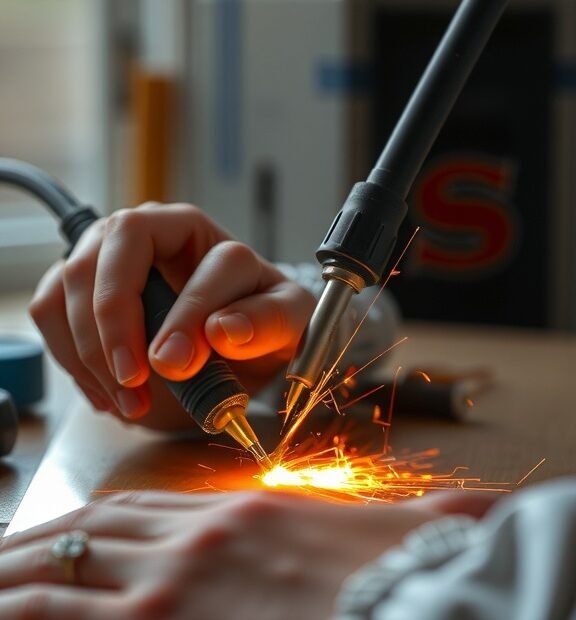
Can You Cut Plastic with a Soldering Iron? Techniques and Best Practices
When you’re in the middle of a DIY project, you might wonder, can you cut plastic with a soldering iron? The quick answer is yes, a soldering iron can effectively cut through certain types of plastic. Understanding how to do this safely and efficiently is essential for optimal results. This article explores the techniques and best practices for cutting plastic using a soldering iron, allowing you to tackle your projects with confidence.
The Basics of Cutting Plastic with a Soldering Iron
A soldering iron is a handy tool originally designed for joining metal parts using heat. However, many users have discovered its versatility extends to cutting plastic as well. The heat from the iron effectively melts the plastic, making it easier to shape or cut through the material.
Here are some types of plastics suitable for cutting with a soldering iron:
Soldering Stations | Easy 60 Day Return
- Polyethylene: Commonly used in containers and plastic bags.
- Polystyrene: Found in packaging materials and disposable cutlery.
- ABS: Often used in toys and household items.
Preparing to Cut Plastic
Before diving in, you’ll want to take a few preparatory steps:
- Choose the Right Soldering Iron: Make sure your soldering iron has a fine tip for precise cutting.
- Work in a Well-Ventilated Area: Heating plastic can release fumes, so proper ventilation is crucial.
- Wear Proper Safety Gear: Use safety goggles and gloves to protect yourself from hot plastic and fumes.
- Secure the Plastic Piece: Clamping the plastic down will prevent movement and ensure cleaner cuts.
Techniques for Cutting Plastic
Now that you are prepared, let’s discuss effective techniques for cutting plastic using your soldering iron:
Soldering Stations | Easy 60 Day Return
1. Melting Technique
This method involves using the soldering iron tip directly on the plastic. Here’s how to do it:
- Heat the soldering iron until it reaches the desired temperature (typically around 350°C).
- Gently press the tip against the plastic where you want to cut.
- Move the soldering iron steadily along the designated line. There’s no need to press too hard; let the heat do the work.
2. Scoring Technique
This method is effective for thicker pieces of plastic:
Soldering Stations | Easy 60 Day Return
- With a ruler or straightedge, score the plastic lightly along the desired cutting line.
- Use the soldering iron to deepen the score line gradually.
- Once you’ve made a deep enough cut, you can snap the plastic along the line for a clean break.
Best Practices for Cutting Plastic
Employ these best practices to enhance your cutting experience:
- Test on Scraps: Try your technique on a piece of scrap plastic first to find the right temperature and method.
- Take Your Time: Rushing through cuts can result in uneven edges or missed sections.
- Keep the Workspace Clear: Make sure your work area is tidy to avoid accidents.
- Allow for Cooling: After cutting, give the plastic time to cool before handling or connecting other materials.
Safety Considerations
Safety should always come first when working with any heated tool. Avoid touching the soldering iron tip, which can cause serious burns. Keep a fire extinguisher nearby, as melting plastic can pose a fire hazard if it ignites. Always dispose of any plastic scraps properly, as melting can change its structure and make it unsuitable for recycling.
Soldering Stations | Easy 60 Day Return
By following these techniques and best practices, you can successfully cut plastic with a soldering iron, making it a great tool for your various crafting and DIY projects. You’ll find that with a little practice, your ability to manipulate plastic materials will greatly enhance your overall craftsmanship.
Alternative Methods for Cutting Plastic: Tools and Tips
Cutting plastic can be a bit tricky, but with the right tools and techniques, you can achieve clean, precise cuts. It’s important to choose your method based on the type of plastic and the thickness you are dealing with. Here are some alternative methods for cutting plastic, along with handy tips to make the process easier and safer.
Utility Knife
A utility knife is one of the simplest tools you can use to cut plastic. This best-suited option works well for thin sheets of plastic, like acrylic or polycarbonate. To use a utility knife:
Soldering Stations | Easy 60 Day Return
- Mark your cut line with a permanent marker.
- Secure the plastic on a stable surface.
- Score the plastic along your marked line with the utility knife.
- Repeat the scoring until the plastic starts to crack.
- Flex the plastic to snap it along the scored line.
Make sure to use a straight edge to guide your knife for a cleaner cut.
Plastic Cutting Shears
Plastic cutting shears resemble regular scissors but are designed for cutting tougher plastic materials. They’re perfect for those who need a quick solution without heavy machinery.
Soldering Stations | Easy 60 Day Return
Steps to use plastic shears:
- Align the shears along the cut line.
- Press firmly to ensure clean cuts.
- Move steadily to maintain control and prevent jagged edges.
These shears can handle a variety of plastics, including soft or thinner types. However, avoid using them on thick materials, as they may not provide the necessary leverage.
Soldering Stations | Easy 60 Day Return
Hot Knife
A hot knife is another effective method for cutting plastic. It uses heat to melt through the material, making it especially useful for more rigid plastics like ABS or PVC. To safely use a hot knife:
- Preheat the knife according to the manufacturer’s instructions.
- Secure the plastic to a flat, non-flammable surface.
- Carefully glide the hot knife along the marked line.
- Allow the melted plastic to cool before handling it.
A hot knife can create smoother edges, but be cautious as it can produce fumes. Work in a well-ventilated area and wear protective gloves.
Soldering Stations | Easy 60 Day Return
Dremel Rotary Tool
A Dremel rotary tool is a versatile option for cutting various types of plastic. It’s ideal for detailed work and intricate designs. For best results:
- Attach the appropriate cutting bit for the type of plastic you’re using.
- Hold the piece securely in place.
- Guide the tool along the marked line at a moderate speed.
This tool allows you to customize your cuts, making it great for craft projects. Always wear safety goggles to protect your eyes from flying debris.
Soldering Stations | Easy 60 Day Return
Table Saw and Band Saw
If you’re planning to work on larger sheets or thicker plastic, consider using a table saw or band saw. These saws are designed for precise cuts and can handle a variety of plastic materials. Here’s how to use them:
- Set up the machine following safety guidelines.
- Use the right blade, specifically designed for plastic.
- Measure and mark the cut line clearly.
- Feed the plastic through the saw slowly and evenly.
Always prioritize safety by wearing protective eyewear and ensuring that your workspace is clear of obstructions.
Soldering Stations | Easy 60 Day Return
Tips for Cutting Plastic
Regardless of the method you choose, keep these tips in mind:
- Always mark your cut lines clearly.
- Use clamps to hold the plastic steady while cutting.
- Take your time to avoid mistakes and ensure precision.
- If cutting a thick piece, consider scoring first before fully cutting.
By choosing the right tool and following best practices, you can effectively cut plastic for any project, whether it’s a simple home repair or an elaborate craft. The key is to select a method suited to your specific needs and to take your time for the best results.
Conclusion
Cutting plastic can be a straightforward task when you know the right tools and techniques. Using a soldering iron is indeed a viable method for this purpose, as the heated tip allows for precise cutting, especially with thinner plastics. It’s important to take safety precautions, such as working in a well-ventilated area and using protective gear, to ensure a safe working environment.
Soldering Stations | Easy 60 Day Return
If you choose to use a soldering iron, make sure to practice good technique. A steady hand and a slow, even approach will yield the best results, allowing you to create clean, smooth cuts without melting too much of the surrounding material. Remember that this method works best for specific types of plastics, so always check the compatibility before starting your project.
Alternatively, there are several other effective tools for cutting plastic. Hand saws, utility knives, and hot knives are excellent options that you might consider based on your project needs. Each tool has its pros and cons, so understanding these will help you select the right method.
Soldering Stations | Easy 60 Day Return
Regardless of the method you choose, preparation is key. Draw your cutting lines clearly and make sure to secure the plastic to prevent slipping during cutting. With these insights and techniques at your disposal, you can confidently tackle your plastic cutting projects. Whether you opt for a soldering iron or alternative tools, always prioritize safety and practice to hone your skills. Happy cutting!