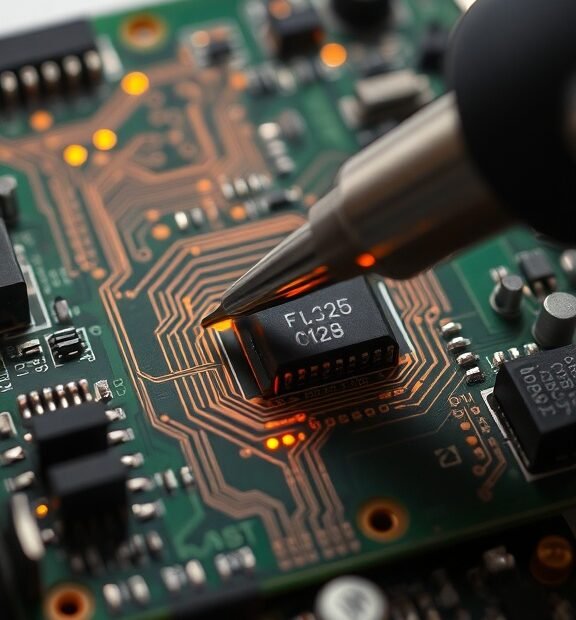
Can You Burn a Circuit Board with a Soldering Iron? Understanding the Risks and Precautions
When working with electronics, you may wonder about the potential of overheating and damaging components, especially when using tools like soldering irons. One common question arises: can you burn a circuit board with a soldering iron? Understanding the nuances behind this can help you navigate your projects safely and effectively.
The short answer is yes, you can burn a circuit board with a soldering iron if you’re not careful. A soldering iron typically heats to temperatures between 350°C and 450°C (662°F and 842°F), making it quite easy to damage sensitive electronic components or even the board itself when working on it.
The Risks of Using a Soldering Iron on Circuit Boards
Here are some substantial risks that come with using a soldering iron:
Soldering Iron Kits & Accessories
- Overheating Components: Circuit boards have various components like resistors, capacitors, and microchips that may get fried at high temperatures. If you apply heat too long or at too high a temperature, they can become permanently damaged.
- PCB Material Damage: The material of printed circuit boards (PCBs) can deform when exposed to excessive heat. Microscopic layers may delaminate, ruining the board’s integrity and function.
- Circuit Shorts: Excess solder can create bridges between PCB traces or pads, leading to short circuits. This can be caused by overheating and misplacing solder.
- Burnt Traces: Heating traces too much can burn them, causing open circuits and resulting in malfunctioning devices.
Understanding Circuit Board Construction
To better grasp the risk of burning circuit boards, you should understand how these boards are constructed. PCBs consist of several layers, including the substrate (usually fiberglass), copper traces, and a protective solder mask. Each component has its tolerance limit concerning heat. Being aware of these layers will help you see why excessive heat might lead to problems.
Precautions When Using a Soldering Iron
Here are several precautions you can take to minimize the risk of burning a circuit board:
Soldering Iron Kits & Accessories
- Use the Right Temperature: Always adjust your soldering iron to the lowest necessary temperature for the joint. This can often be lower than the maximum available temperature.
- Limit Heating Time: Try to minimize the amount of time the soldering iron spends on any one pad or component. A general rule is to heat the joint for no longer than three seconds.
- Utilize Soldering Techniques: Techniques like drag soldering can help you control heat better. Using a method that spreads out the heat will reduce the risk of overheating.
- Choose the Right Tip: A finer tip allows for more precise soldering and reduces the amount of area that gets heated.
- Check the Equipment: Ensure your soldering iron is clean and functioning correctly before starting any work. A dirty tip can cause uneven heating.
Identifying Damage
If you suspect damage has occurred, look for these signs:
- Discoloration on the PCB surface.
- Visible burn marks around joints or components.
- Components that feel unusually hot or have a burnt smell.
Being proactive about these indicators can lead you to take corrective actions before the damage escalates.
Soldering Iron Kits & Accessories
The risk of burning a circuit board with a soldering iron is real, but it can be managed with the right techniques and precautions. Understanding temperature control and the specifics of your components will be crucial in preventing damage. By following proper soldering practices, you can work safely and effectively on your electronic projects while keeping circuit boards intact. Keep these tips in mind, and you’ll have a more successful soldering experience!
The Importance of Proper Soldering Techniques in Electronics Repair and Modification
In the world of electronics repair and modification, proper soldering techniques play a crucial role. When you work with circuit boards, the quality of your soldering can determine the lifespan and functionality of the devices you are working on. Understanding the fundamentals of soldering not only impacts the performance of your projects but also prevents damaging sensitive components. This is especially important for beginners and seasoned technicians alike.
Using a soldering iron can seem straightforward, yet it requires a blend of skill and knowledge to achieve optimal results. Here are some steps and tips to ensure effective soldering:
Soldering Iron Kits & Accessories
- Cleaner Components: Always start with clean components. Any dirt or oxidation can prevent a strong bond and lead to poor electrical connections. Use isopropyl alcohol and a lint-free cloth to clean the surfaces.
- The Right Temperature: Set your soldering iron to the appropriate temperature—typically between 350°C and 400°C. Too high can burn the board, while too low can lead to cold joints.
- Correct Solder Type: Use the right solder. 60/40 tin-lead solder is commonly used, but if you prefer lead-free, look for alternatives. Always check compatibility with the components.
- Technique Matters: Hold the soldering iron like a pen, with a comfortable grip. Use it to heat the joint and once it’s hot enough, apply solder. Remove the solder and then the iron for a clean finish.
- Work Quickly: Heat should only be applied for a brief moment, just long enough to make the connection and avoid damaging sensitive components.
One critical aspect that cannot be overlooked is the potential for burning circuit boards with a soldering iron. This issue often arises from prolonged heating or applying excessive heat to a single spot. When a circuit board is overheated, the following problems may ensue:
- Delamination: The layers of the board can separate, leading to structural failure.
- Burnt Traces: The conductive pathways can become short-circuited or break completely.
- Component Damage: Sensitive electronic components may suffer permanent damage or reduced lifespan.
To prevent burning a circuit board during soldering, consider employing these advanced techniques:
Soldering Iron Kits & Accessories
- Use a Heat Sink: Employ a heat sink for sensitive components to absorb excess heat away from the connection point.
- Solder in Steps: If dealing with larger components, consider soldering one leg at a time, allowing time for cooling between each step.
- Practice Makes Perfect: If you’re new to soldering, practice on scrap boards before working on valuable electronics. This will help you get accustomed to the heat management required.
Maintaining proper soldering techniques not only leads to successful repairs but also builds confidence for DIY modifications and custom projects. As you develop your skills, you will find that soldering becomes an enjoyable and rewarding process rather than a daunting task. The pride that comes from successfully modifying or repairing an electronic device is immeasurable.
Furthermore, investing in quality tools can greatly improve your soldering experience. A good soldering iron fitted with a fine tip allows for better precision, while desoldering tools such as braids and pumps can ease the removal of faulty components. Quality solder and flux also contribute to improved results.
Soldering Iron Kits & Accessories
In electronics repair and modification, technical skills and quality tools go hand-in-hand. By mastering the art of soldering, you extend the lifespan of devices, breathe new life into old electronics, and even save money by avoiding professional repairs. Whether you are fixing a simple device or embarking on a comprehensive project, your soldering prowess will make a significant difference in the outcome.
Ultimately, understanding the importance of proper soldering techniques cannot be understated. The next time you pick up a soldering iron, remember that each joint you create is a step toward enhancing your skills, ensuring your connection is strong, efficient, and safe for all electronic applications.
Conclusion
Burning a circuit board with a soldering iron is a real possibility if proper precautions and techniques are not followed. The risks involved are significant, including the potential for damaging components, ruining your board, or even causing a fire hazard. Understanding the proper soldering techniques is crucial for anyone involved in electronics repair or modification. This not only helps in preventing damage but also ensures that repairs are effective and long-lasting.
Soldering Iron Kits & Accessories
By using the right soldering iron temperature, maintaining a steady hand, and applying solder correctly, you can greatly reduce the chances of overheating and burning the circuit board. It is important to understand that patience and practice are key. Investing time in honing your skills will pay dividends in the long run. Always remember to consider safety measures such as wearing eye protection and working in a well-ventilated area.
Being mindful of these elements will not just keep your circuit boards intact, but it will also enhance the quality of your work. Whether you’re a hobbyist or a professional, understanding the risks associated with soldering is vital. Prioritize the use of appropriate techniques, and you’ll find that soldering can be a rewarding skill that opens the door to a world of creativity in electronics. By being careful and well-informed, you can enjoy a successful soldering experience without the fear of ruining your projects.