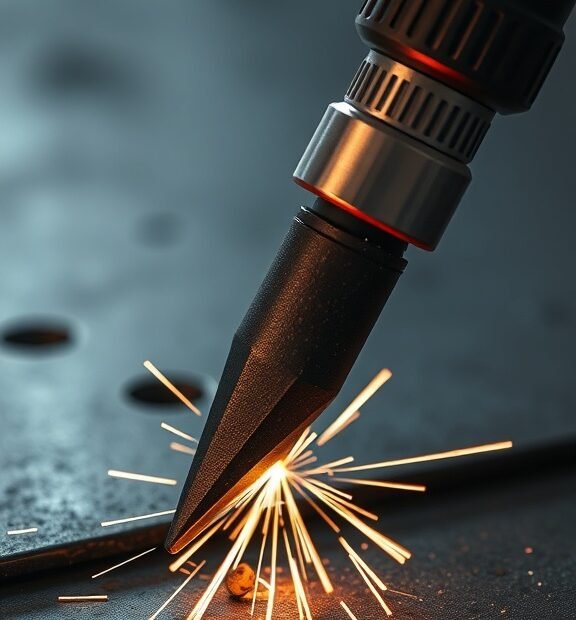
Exploring the Capabilities: Can a Soldering Iron Cut Through Metal?
If you’ve ever wondered about the capabilities of a soldering iron, you might be surprised to learn that it’s often used for more than just joining electrical components. Many DIY enthusiasts ask the question: can a soldering iron cut through metal? The answer is more complex than you might think.
A soldering iron is primarily designed for melting solder, a combination of tin and lead or tin and silver, to create a secure bond between metal pieces. However, its heat can indeed affect metal items. Let’s dive deeper into its capabilities.
Understanding the Soldering Iron
A soldering iron operates by generating heat at a specific tip temperature, usually between 350°F to 450°F (175°C to 230°C). This temperature is optimal for melting solder but may not be sufficient for cutting through most metals, such as steel or aluminum. The tool is not built for cutting; rather, it aims to melt and join materials.
Can It Cut Through Metal?
While the primary function is soldering, there are instances where a soldering iron might be used to manipulate or affect thin metal sheets. Here’s what you need to know:
- Thickness of Metal: The type and thickness of the metal play a significant role. A soldering iron can potentially cut through very thin sheet metals, like copper or aluminum, but only for shallow cuts.
- Heat Application: The method of applying heat is crucial. You would need to apply the soldering iron for a prolonged period to achieve any substantial cutting effect, which could lead to damage to the iron itself.
- Alternative Uses: Instead of cutting, a soldering iron can be used to melt or reshape metal objects, especially for arts and crafts projects.
Is It Effective for Metalwork?
Using a soldering iron as a cutting tool is not the most effective approach. It can work on thinner materials, but there are other tools better suited for metal cutting, such as:
- Metal Shears: Ideal for cutting through thin metal sheets quickly and efficiently.
- Dremel Tool: Perfect for intricate cuts and can handle more robust and thicker materials.
- Angle Grinder: Known for its ability to cut through tougher metals with ease.
When considering using a soldering iron for any metalwork, it’s essential to know its limitations. While it can certainly heat and deform small metal sections, it isn’t optimal for cutting through anything thicker than soda cans or lightweight aluminum foil.
Safety Precautions
If you decide to attempt using a soldering iron on metal, always prioritize safety. Here are some precautions to take:
- Wear Protective Gear: Use safety goggles and heat-resistant gloves to protect yourself from burns.
- Work in a Safe Environment: Ensure your workspace is free from flammable materials.
- Be Mindful of Electrical Safety: Ensure your soldering iron is in good condition and properly grounded to avoid electrical hazards.
While a soldering iron can melt and affect certain thin metals, using it as a cutting tool is generally not recommended. Instead, consider investing in proper metal cutting tools for more effective and safer results. In the realm of DIY and crafting, understanding your tools and their capabilities enhances your project outcomes, ensuring you get the best results every time.
Alternative Tools for Metal Cutting: A Comparison with Soldering Irons
When working with metal, you likely consider how to choose the right tools for your project. Soldering irons are commonly known for their heat application in joining electronic components, but you might wonder, can a soldering iron cut through metal? The truth is that while a soldering iron generates enough heat to melt metal, it is not the ideal tool for cutting. Let’s explore some alternative tools for metal cutting, comparing their effectiveness and efficiency in various scenarios.
1. Plasma Cutters
Plasma cutters are among the most popular tools for cutting through metal thanks to their precision and speed. This tool uses a high-temperature plasma arc to slice through materials. They are suitable for a wide variety of metals, including steel, aluminum, and stainless steel.
- Speed: Plasma cutters can cut through thick metal very quickly, making them ideal for production environments.
- Precision: These cutters produce clean edges, which means less post-cutting work.
- Versatility: They can handle different thicknesses of metal, from thin sheets to thick plates.
2. Oxy-Acetylene Torches
Oxy-acetylene torches are another excellent alternative. They combine oxygen and acetylene gas to create a flame that can reach extreme temperatures, allowing you to cut through metal. This method is often used in welding and metal fabrication.
- Temperature: Oxy-acetylene flames can exceed 3,200 degrees Celsius, making it highly effective for steel cutting.
- Adaptability: This tool can be used for both cutting and welding, making it versatile for various projects.
- Portability: Oxy-acetylene setups can be easily transported, allowing you to work in different locations.
3. Band Saws
Band saws are another fantastic option for cutting metal, especially in a workshop setting. They consist of a long, toothed blade that runs on two wheels, allowing for continuous cutting of various materials.
- Accuracy: Band saws provide excellent precision and are ideal for making intricate cuts.
- Efficiency: They can cut through thick metals with less effort than other tools, such as chop saws.
- Maintenance: With proper care, band saws can be long-lasting tools that provide consistent performance.
4. Angle Grinders
Angle grinders are versatile tools that can also be used for cutting metal. They work by spinning a cutting disc at high speeds, which can easily slice through various types of metal.
- Flexibility: You can switch out cutting discs for different types of metal or materials.
- Accessibility: Angle grinders are widely available and relatively easy to use for both professionals and hobbyists.
- Portability: They are lightweight and easy to maneuver in tight spaces.
5. Shears
Metal shears are a manual tool specifically designed for cutting sheet metal. They work like large scissors to cut through metal sheets and can be more manageable than power saws.
- Control: Manual shears offer more control for detailed and intricate cuts.
- Simplicity: They require no power source, which can be beneficial in certain situations.
- Affordability: Metal shears are often less expensive than power tools, making them accessible for DIY projects.
While soldering irons have their place in electronics and delicate metalwork, they aren’t the best choice for heavy-duty metal cutting. By exploring various alternative tools, you can find the right fit for your specific project needs. Understanding the differences between these tools can help you make more informed decisions, ensuring that your work with metal is effective and efficient.
Whether you choose plasma cutters, oxy-acetylene torches, band saws, angle grinders, or manual shears, each has unique advantages that cater to different metal cutting applications. Make sure to evaluate your project requirements, and select the tool that aligns with your specific needs.
Conclusion
To sum up, while a soldering iron is an incredible tool for joining metal pieces together through the process of melting solder, it is not designed for cutting through metal. Its primary function is to create electrical connections in electronics and small repairs, rather than serving as a cutting instrument. The conditions needed to cut metal, such as higher temperatures and specific blade designs, exceed what a standard soldering iron can provide.
When it comes to metal cutting, there are far more effective alternatives available. Tools like band saws, plasma cutters, and even tin snips are specifically engineered to handle metal with precision and efficiency. Each of these tools offers distinct advantages depending on the type of metal, thickness, and the intricacies of the job at hand. For example, plasma cutters are perfect for thicker materials, while snips excel in cutting thin sheets.
For your metalworking projects, it’s crucial to match the tool to the task for optimal results. Relying solely on a soldering iron for metal cutting can lead to frustration and subpar outcomes. Instead, consider investing in the right tool for the job that ensures safety and effectiveness. By understanding the limitations of a soldering iron and exploring sharper alternatives, you can achieve cleaner cuts and better results in your metal projects.