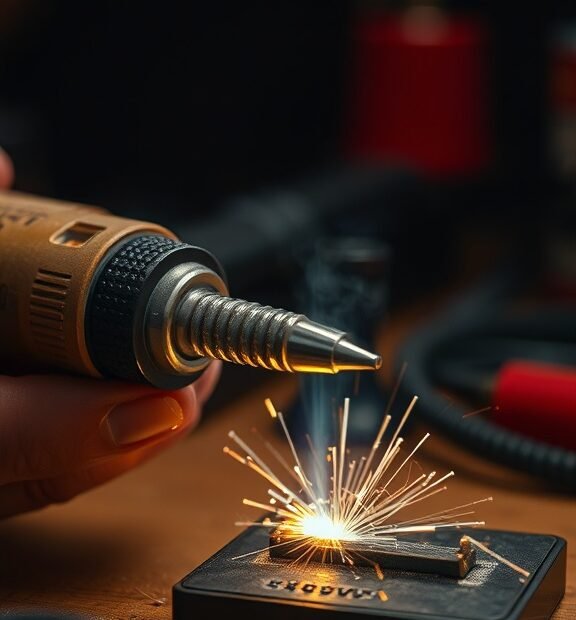
Creative Alternatives: What to Do If You Don’t Have a Soldering Iron
Finding yourself without a soldering iron can be frustrating, especially when working on electronics repairs or DIY projects. However, there are several creative alternatives you can use to handle soldering tasks effectively. Below are some practical methods to help you in situations where a soldering iron is not available.
1. Use a Hot Glue Gun
A hot glue gun is a versatile tool that can serve as a temporary solution for soldering small electronic connections. Although it doesn’t create a permanent electrical connection like solder, it can help secure wires together in a pinch. Here’s how to use it:
- Strip the ends of the wires you want to connect.
- Twist the wire ends together to ensure they are securely joined.
- Apply a small amount of hot glue over the twisted section to insulate and hold them in place.
2. Use a Wire Wrap Tool
If you have a wire wrap tool at home, it’s a great alternative. This tool wraps a thin wire around the connection points on a circuit board, creating a reliable yet temporary connection without the need for solder. Here’s the process:
- Strip the insulation off your wire.
- Place the wire onto the designated connection point.
- Use the wire wrap tool to securely wrap the wire around the lead.
3. Craft a Makeshift Soldering Iron
If you’re feeling particularly resourceful, you might be able to create a makeshift soldering iron using a few common household items.
- Use a Tin Can: Heat up a metal spoon in a flame and use it to melt solder. Ensure you take precautions to avoid burns.
- Use a Battery: Connect a battery to a metal wire. When you touch the wire to solder, it will heat up enough to melt it. This technique is used in some DIY projects but involves safety risks.
4. Electrical Tape for Insulation
While not a direct substitute for soldering, electrical tape can be useful for securing wire connections temporarily. Here’s how to use electrical tape effectively:
- Twist together the wires you need to connect.
- Wrap electrical tape around the connection securely, ensuring that no bare wire is exposed.
5. Crimp Connectors
If you have crimp connectors, these can be an excellent alternative for creating a secure and lasting connection without soldering. Here’s how to use them:
- Insert the stripped wire ends into the crimp connector.
- Use a crimping tool to press the connector firmly around the wire.
This method provides a reliable connection and is commonly used in automotive and electrical applications.
6. Utilize Heat Shrink Tubing
In conjunction with any of the above methods, heat shrink tubing can give additional insulation and protection. Here’s how to use it:
- After connecting your wires using one of the methods above, slide heat shrink tubing over the connection.
- Apply heat from a hairdryer or lighter (keeping a safe distance) to shrink the tubing tightly around the connection.
7. Ask for Help
If you’re stuck and need to solder something critical, don’t hesitate to reach out to friends or local maker spaces. Often, someone nearby may have a soldering iron to lend. Community resources can help guide you to find the tools you need faster than you think.
In a world where DIY projects are on the rise, not having a soldering iron shouldn’t halt your creativity or fixing ability. From hot glue guns to crimp connectors and makeshift tools, there are plenty of ways to get the job done. Just remember to always prioritize safety when trying alternative methods. With these suggestions, you can tackle your electronics projects even when you’re not fully equipped.
Essential Tips for DIY Electronics Projects Without Specialized Tools
DIY electronics projects can be incredibly rewarding, but not having specialized tools, like a soldering iron, can feel like a major setback. Don’t worry! There are still plenty of ways to dive into your projects without the need for a fully-equipped workshop. Below are some essential tips and alternative methods to help you succeed in your electronics endeavors.
Explore Alternatives to Soldering
If you’re in the middle of a project that requires a soldering iron and you don’t have one, there are various alternatives you can use:
- Wire Wrapping: This involves wrapping a thin wire around the post of a component and the lead of the circuit board. It’s a great way to create reliable connections without heat.
- Use Breadboards: Breadboards allow you to build and test circuits without soldering. They work by inserting components into a grid of holes where they connect through internal strips.
- Electrical Tape: For temporary fixes or connections, use electrical tape to hold wires together. This is best for simple circuits and low voltage projects.
- Heat Shrink Tubing: If you need to secure connections, heat shrink tubing can hold wires together strongly without solder. Just slip it over the connection and apply heat to shrink it.
- Terminal Blocks: These are small strips with holes to connect wires without soldering. They are quick and reusable, making them efficient for various projects.
Use Basic Hand Tools
You probably have some basic tools lying around that can be utilized for DIY electronics:
- Wire Strippers: These tools are essential for peeling insulation from wires. A sharp blade will help you get clean cuts without damaging the wire.
- Needle-Nose Pliers: Useful for bending, twisting, and cutting wires with precision. They can also help secure connections when using jumper wires.
- Scissors: A simple pair of scissors can work fine for cutting wires or small electronic components.
- Hot Glue Gun: While it’s not a conventional tool for electronics, a hot glue gun can help keep components in place while you finalize your connections.
Utilize Online Resources
When on a budget or lacking tools, the internet is your friend! There’s a vast amount of tutorials, videos, and forums online where you can learn about DIY electronics. Consider the following:
- Video Tutorials: YouTube has countless channels focused on electronics. Search for projects similar to yours to see how others tackle them with limited tools.
- Forums and Communities: Websites like Reddit and specialized forums allow you to ask questions and glean insights from fellow DIY enthusiasts.
- DIY Blogs: Many bloggers craft detailed guides about projects without extra tools. They share their experiences, which is beneficial for your learning process.
Start Small
If you’re new to DIY electronics or unsure without specialized tools, it’s wise to start small. Practicing on simple projects can build your skills and confidence. Some ideas include:
- LED Projects: Lighting up an LED circuit with batteries is a perfect beginner task, requiring minimal tools.
- Siren or Sound Projects: You can create a simple sound emitting device using a buzzer and a few resistors.
- Sensor Activation: Build a basic circuit using sensors to turn on LEDs or motors, which can be done on a breadboard.
Consider Borrowing Tools
Sometimes the easiest solution is to borrow what you need. Reach out to friends or colleagues who may have the tools you lack. You’ll be surprised how many people have soldering irons or other essentials just collecting dust. This can save you money and give you the chance to try before you invest.
While not having a soldering iron or other specialized tools might seem like an obstacle, it doesn’t have to be. With some creativity, resourcefulness, and the guidance of online communities, you can successfully tackle numerous DIY electronics projects. Don’t let a lack of tools stop you from bringing your ideas to life!
Conclusion
Finding yourself without a soldering iron doesn’t mean your DIY electronics projects have to come to a halt. Embracing creativity can lead you to a variety of effective alternatives. From using conductive adhesives to exploring wire-wrapping methods, there are plenty of ways to connect components without traditional soldering. Each option has its unique advantages and can often be simpler or more accessible, especially for beginners.
Additionally, equipping yourself with essential tips can significantly enhance your DIY experience. Prioritize safety by keeping your workspace organized and using proper protective gear. Familiarize yourself with the specific components you’re working with, as understanding their requirements can guide you toward the best assembly methods. Leveraging household items is another smart strategy to craft temporary solutions while saving both time and money.
If you find yourself engaging in DIY electronics projects frequently, consider investing in tools that suit your needs. Simple tools like precision screwdrivers, wire strippers, and heat sources can greatly assist in overcoming challenges when you don’t have a soldering iron at your disposal.
Remember, innovation is key in DIY projects. By thinking creatively and using readily available materials, you can still achieve impressive results without specialized tools. Whether it’s for a school project, a gift, or just for fun, these approaches will empower you to bring your ideas to life, proving that not having a soldering iron is merely a stepping stone to unlocking your resourcefulness. Keep experimenting, learning, and enjoying the process!