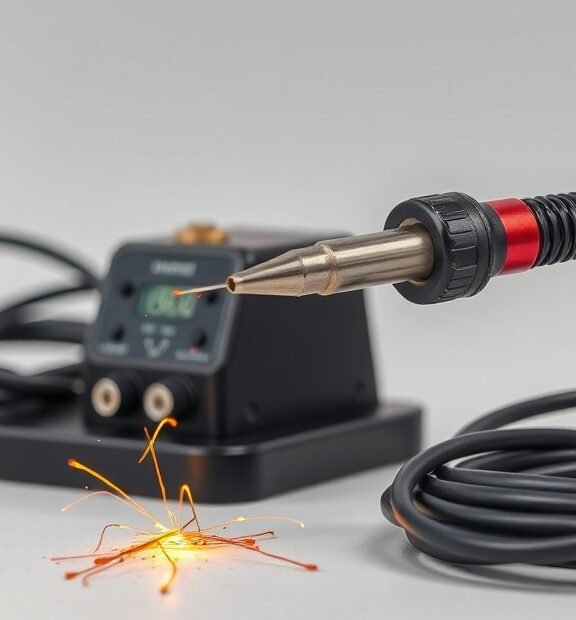
Understanding the Purpose of a Soldering Iron in Electronics Repair
Soldering iron is an essential tool in electronics repair that you may encounter often if you’re dabbling in electronic projects. But what exactly is the purpose of a soldering iron? Understanding its importance can help you tackle various repairs and enhancements more effectively.
The primary purpose of a soldering iron is to join electronic components together by melting solder. Solder typically consists of a mix of tin and lead, though lead-free options are widely available due to safety concerns. When you heat up the solder with the iron, it becomes liquid, allowing it to flow into the connection points. As it cools, it hardens and creates a strong, conductive bond that is essential for any electrical circuit.
Key Uses of a Soldering Iron
Here are some key applications where a soldering iron shines in electronics repair:
Soldering Iron Kits & Accessories
- Joining Components: When repairing or constructing circuits, a soldering iron allows you to neatly join components like resistors, capacitors, and integrated circuits.
- Fixing Broken Connections: If a wire becomes disconnected from a component, a soldering iron can reattach it quickly and securely.
- Reworking Circuits: Upgrading or modifying existing circuits often involves desoldering some components and soldering others in their place. This gives you the flexibility to improve your designs.
- Creating Prototypes: For hobbyists and engineers alike, a soldering iron is pivotal for building prototypes of devices or circuits that can be tested before large-scale production.
- Repairing Circuit Boards: If a circuit board has damaged connections or components, a soldering iron enables precise repairs that can restore functionality.
The Anatomy of a Soldering Iron
To fully appreciate the purpose of a soldering iron, it’s important to understand its components:
- Heating Element: This part heats up the tip of the soldering iron to a specific temperature, allowing solder to be melted effectively.
- Soldering Tip: The tip comes in various shapes and sizes, catering to different tasks. Common shapes include conical and chisel tips, each designed for specific soldering needs.
- Handle: The handle is ergonomically designed to provide a secure grip while soldering, ensuring comfort during extended use.
- Power Cord: Most soldering irons are powered by electricity and come with a cord, although some models offer battery options for portable work.
Choosing the Right Soldering Iron
When selecting a soldering iron, consider the following factors to find the best fit for your projects:
Soldering Iron Kits & Accessories
- Wattage: A soldering iron’s wattage impacts its heat-up time and temperature control. A higher wattage can heat up quickly, making it more efficient for larger tasks.
- Adjustable Temperature: Some models offer adjustable temperatures, which can be crucial for delicate work requiring precise heat settings.
- Tip Variety: Look for a soldering iron that offers interchangeable tips to accommodate different soldering tasks.
- Safety Features: Features like auto shut-off can enhance safety while you work on electronics projects.
Best Practices for Soldering
To make the most of your soldering iron, adhere to these best practices:
- Clean the Tip: Always start with a clean tip for better heat transfer. You can use a damp sponge or brass wire cleaner.
- Heat the Joint: Instead of melting solder directly on the iron, heat the joint and then apply solder to it for a stronger bond.
- Work in a Well-Ventilated Area: Solder can emit fumes that may not be safe to inhale, so always ensure proper ventilation.
- Handle with Care: Remember that the tip can get extremely hot. Use holders or stands when not in use to avoid burns.
A soldering iron serves multiple essential functions in electronics repair, from joining components to fixing broken connections. By understanding its purpose and proper usage, you can enhance your skills and tackle a variety of electronic projects with confidence.
Essential Safety Tips for Using a Soldering Iron Effectively
Using a soldering iron can be incredibly rewarding and essential for various DIY projects, electronics repair, and crafting. However, safety should always come first when handling such tools. Knowing how to use a soldering iron effectively while also prioritizing your safety can make your experience both enjoyable and productive. Here are some essential safety tips to keep in mind while using a soldering iron.
Soldering Iron Kits & Accessories
Understand the Equipment
Before you even turn on your soldering iron, familiarize yourself with the device. Knowing the components, such as the tip, handle, and power control, will help you use it more safely. Make sure your soldering iron is in good working condition. Check for frayed cords or damaged tips, as these can lead to accidents.
Wear Appropriate Safety Gear
Always protect yourself with proper safety gear. This includes:
Soldering Iron Kits & Accessories
- Safety glasses: Protect your eyes from solder splashes.
- Heat-resistant gloves: Wear gloves that can withstand high temperatures, reducing the risk of burns.
- Apron: Consider a heat-resistant apron to protect your clothes and skin.
Create a Safe Workspace
Your workspace plays a significant role in ensuring your safety. Follow these guidelines:
- Clear your area: Eliminate clutter, and keep flammable materials away from your soldering station.
- Use a non-flammable surface: Opt for a workbench or mat that can withstand heat.
- Good ventilation: Always work in a well-ventilated area to avoid inhaling fumes generated during soldering.
Handle the Soldering Iron with Care
When using the soldering iron, it is crucial to handle it properly:
Soldering Iron Kits & Accessories
- Always place the iron in its stand: When not in use, put the soldering iron in a stand to prevent accidental burns.
- Avoid touching the tip: The tip can heat up to extreme temperatures, potentially causing severe burns.
- Keep your hands dry: Always ensure your hands are dry before handling the soldering iron to minimize the risk of electric shock.
Use Soldering Materials Safely
Make sure you are careful with the solder and other materials you use:
- Choose lead-free solder: If possible, opt for lead-free solder for health and safety reasons.
- Store materials properly: Keep solder and flux in a safe place, away from heat and children.
- Avoid direct inhalation: Try not to breathe in any fumes from soldering materials, as they can be harmful over time.
Know Emergency Procedures
Accidents can happen, even with the best precautions. Be prepared by knowing what to do in case of an emergency:
Soldering Iron Kits & Accessories
- Burns: If you burn yourself, immediately cool the burn with running cold water for several minutes.
- Fire: Keep a fire extinguisher nearby and know how to use it if the need arises.
- Electric shock: If someone experiences electric shock, do not touch them until you can safely disconnect the power source.
Practice Good Soldering Techniques
In addition to safety measures, employing the right techniques can enhance your soldering experience:
- Use the correct temperature setting: Avoid using excessive heat, which can damage electronic components.
- Apply solder properly: Allow the solder to flow evenly without excessive application, minimizing waste and mess.
By following these essential safety tips, you can avoid injuries and ensure a smooth soldering experience. Remember, safety is just as important as skill when it comes to working with soldering iron. Equip yourself with knowledge, prepare your workspace, and use your soldering iron responsibly. Happy soldering!
Conclusion
The importance of a soldering iron in electronics repair cannot be overstated. Whether you are a seasoned professional or a novice DIY enthusiast, knowing its purpose helps you tackle electronic repairs with confidence. A soldering iron is your essential tool for creating strong, reliable connections between components. It allows you to join wires, repair circuit boards, and create custom electronics with ease. Mastering its use opens the door to countless projects and innovations within the world of electronics.
Soldering Iron Kits & Accessories
However, the power of a soldering iron also comes with responsibility. Prioritizing safety while soldering is crucial. Proper handling reduces the risk of burns, fumes inhalation, and accidents. Always wear safety goggles and work in a well-ventilated area. Remember to keep your workspace organized to prevent any mishaps. Understanding both the tool’s purpose and safety measures empowers you to enhance your skills without sacrificing your well-being.
By grasping the fundamental purpose of a soldering iron and adhering to essential safety tips, you can improve your electronics repair skills significantly. Embracing this knowledge not only makes your projects more successful but also enriches your understanding of how electronic components work together. As you continue your journey in electronics, let the soldering iron be a key asset in your toolkit, and remember that every connection you make contributes to your growing expertise. Happy soldering!