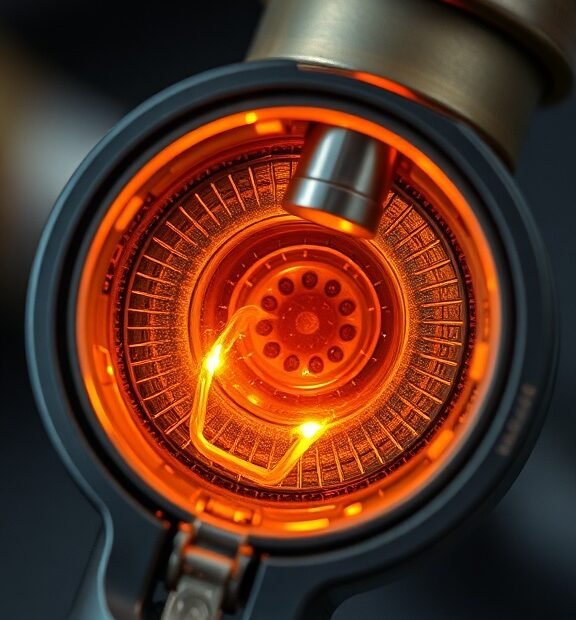
The Components of a Soldering Iron: Understanding What’s Inside
Understanding what is inside a soldering iron can greatly enhance your skills in soldering. Soldering irons are essential tools used in electronics, DIY projects, and various crafts. Knowing the components that make up this device can help you make better choices while using or purchasing one.
Heating Element
The heart of any soldering iron is the heating element. This component is responsible for generating heat, allowing the soldering tip to reach the required temperature to melt solder. There are two common types of heating elements:
- Resistive Heating Elements: These are found in traditional soldering irons. They use electrical resistance to produce heat. The material inside, often a coiled wire, heats up when electricity flows through it.
- Thermostatic Control Elements: More advanced soldering irons use a thermostatic control that maintains a steady temperature. These irons are beneficial for precise soldering tasks, as they help prevent overheating.
Soldering Tip
The soldering tip is the part of the iron that comes into contact with the solder and the electronic components. Tips come in various shapes and sizes depending on the task. Some common types include:
- Conical Tips: Ideal for precise work, such as soldering small components.
- Chisel Tips: Great for spreading solder over larger areas due to their flat surface.
- Bevel Tips: Useful for working on multiple joints at the same time.
Choosing the right tip can make a significant difference in the efficiency of your soldering tasks.
Handle and Insulation
The handle of the soldering iron is designed for comfort and safety. It often features insulation to prevent heat transfer to the user’s hands. Handles are typically made from heat-resistant materials such as plastic, rubber, or wood. A good grip is essential, as it provides better control when working on delicate components.
Iron Body
The body of a soldering iron houses the heating element and acts as a structure for the tool. This part is usually made of durable metals to withstand heat. There are two main types of soldering iron bodies:
- Standard Metal: Common in budget soldering irons, a metal body conducts heat efficiently but may not last as long as ceramic-lined bodies.
- Ceramic vs. Metal: More advanced models often feature a ceramic lining, providing better heat distribution and increased lifespan.
Power Supply
The power supply is crucial for the operation of the soldering iron. Most soldering irons plug into a wall outlet and require a variable voltage, typically around 20 to 60 watts. More sophisticated models might come with features that allow you to adjust the wattage for different soldering tasks. Always ensure that your soldering iron’s power supply matches the outlet specifications to prevent damage.
Heat Regulation System
Many modern soldering irons are equipped with a heat regulation system. This system helps maintain a consistent temperature, which is crucial for effective soldering. It reduces the risk of overheating and damage to electronic components. Some advanced irons even feature digital displays to show the current temperature, making adjustments easier and more accurate.
Safety Features
Safety is a paramount concern when using a soldering iron. Manufacturers commonly include several safety features. A built-in stand helps to keep the iron stable and prevents accidental burns. Some models also have automatic shut-off features that turn the iron off after a period of inactivity. Always opt for models with robust safety features to ensure a safer soldering experience.
By understanding what is inside a soldering iron—its heating element, soldering tip, handle, body, power supply, heat regulation system, and safety features—you can make an informed choice in your soldering projects. This knowledge can lead to better soldering practices and enhance the quality of your work. Whether you are a hobbyist or a professional, knowing your tool is essential for successful and safe soldering. Happy soldering!
How to Maintain and Troubleshoot Your Soldering Iron
Keeping your soldering iron in top shape is essential for any DIY enthusiast or technician. Proper maintenance helps extend its lifespan and improves its performance. Here’s how you can keep your soldering iron functioning well, as well as some troubleshooting tips for common issues you might encounter.
Regular Cleaning of the Soldering Tip
The tip of your soldering iron can easily become oxidized, which affects its heat transfer capability. To clean it:
- Use a damp sponge: Lightly wet a sponge and wipe the soldering tip while it’s hot. This will remove any solder residue and oxidization.
- Tip tinner: For stubborn oxidation, apply tip tinner. Heat the tip and coat it with the tin to restore its shine.
- Brass wool: Using brass wool is also effective and less abrasive than steel wool, making it a safe choice for cleaning.
Inspecting the Power Cord
The power cord of your soldering iron is vital for its operation. Regularly inspect it for wear and tear. Look for frays, cuts, or exposed wires. If you notice any damage:
- Unplug the iron: Always ensure the soldering iron is unplugged before inspecting it.
- Replacement: If the cord is damaged, replace it immediately. Using a damaged cord can be dangerous and may cause electrical shocks.
Temperature Settings
Using the correct temperature is crucial for efficient soldering. If your iron is retaining heat poorly, consider the following:
- Check the thermostat: If your soldering iron has adjustable temperature settings, ensure it’s set correctly for the task.
- Test for consistency: Monitor the temperature while working. If it fluctuates excessively, there may be an issue with the iron.
Replacing the Soldering Tip
Over time, the soldering tip will wear out and will need to be replaced. Signs that you need a new tip include:
- Loss of heat: If your soldering tip no longer holds heat effectively, it may be time to replace it.
- Physical damage: If the tip is chipped, cracked, or excessively worn, it won’t perform well.
When replacing the tip, ensure you select one that matches the specifications of your soldering iron for optimal compatibility.
Common Troubleshooting Issues
Even with the best maintenance, you may encounter problems. Here are common issues and their solutions:
- Tip not heating: If your soldering tip isn’t heating, check if it’s properly connected to the iron and inspect the power source.
- Excessive smoking: This can be caused by debris on the tip or overheating. Ensure you’re cleaning the tip regularly and at appropriate temperatures.
- Solder not adhering: If solder refuses to stick to the wires or components, clean the tip and ensure you’re using the correct solder type.
Storing Your Soldering Iron Safely
Proper storage can prevent accidental damage. When not in use:
- Use a stand: Always place your soldering iron in a stand to avoid burns and damage.
- Cool down: Allow the iron to cool before storing it to prevent heat-related injuries and to maintain its condition.
Final Tips
To keep your soldering iron in the best condition, always use the right techniques and materials. Make it a routine to inspect and maintain your iron regularly. Take care of minor problems before they become major issues. By ensuring everything from the tip to the power cord is in good health, you can enjoy more effective and safer soldering experiences.
With routine maintenance and trouble-free practices, your soldering iron will serve you well for many projects to come. Happy soldering!
Conclusion
Understanding what is inside a soldering iron not only enhances your soldering skills but also empowers you to make informed decisions regarding its maintenance and troubleshooting. A typical soldering iron consists of key components such as the heating element, soldering tip, and the handle, each playing a crucial role in its functionality. By familiarizing yourself with these parts, you can better appreciate how they contribute to achieving strong, lasting connections in your projects.
Proper maintenance is essential to extend the life and effectiveness of your soldering iron. Regular cleaning of the soldering tip and ensuring that the heating element remains functional can prevent common issues like poor heat transfer and solder buildup. Additionally, learning how to troubleshoot any problems that arise, such as irregular heating or tip wear, equips you with the ability to resolve these challenges swiftly.
Emphasizing the importance of keeping your tools in optimal condition, investing time in understanding the inner workings of your soldering iron will pay off in the long run. Not only will it make your work more efficient, but it will also help you achieve the perfect soldering results you desire. Remember, a well-maintained soldering iron is your best ally in creating successful projects. With the right knowledge and care, you can unleash the full potential of this incredibly powerful tool and ensure your soldering endeavors are both rewarding and effective.