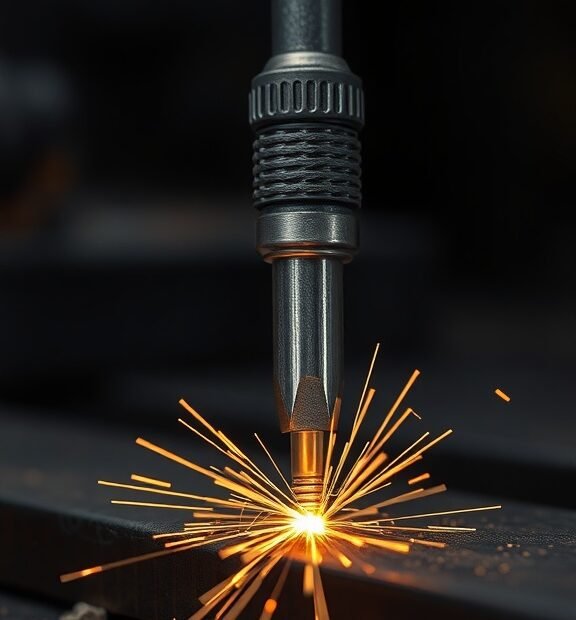
Understanding the Differences: Is a Soldering Iron a Welder?
When venturing into the world of metalworking or electronics, you may hear the terms “soldering iron” and “welder” quite often. It’s essential to understand the differences between these two tools, as they serve distinct purposes in their respective fields.
A soldering iron is a hand tool used to melt solder, which is typically a combination of tin and lead, to join together electronic components or circuit boards. Meanwhile, a welder uses high heat to fuse larger pieces of metal together, often for structural purposes. These differences are fundamental and can affect the outcomes of your projects significantly.
How Soldering Irons Work
Soldering irons operate at relatively low temperatures, usually between 350°F to 800°F (180°C to 427°C). The primary function is to heat the solder so that it can flow into the joint between two metal pieces. Here’s a breakdown of how they work:
- Temperature Control: Many modern soldering irons come with adjustable temperature settings, allowing users to tailor their heat levels for different applications.
- Tip Types: Soldering iron tips come in various shapes and sizes to match different tasks, such as fine-point tips for precise work or broader tips for larger joints.
- Ease of Use: Soldering irons are generally lightweight and portable, making them user-friendly for both hobbyists and professionals.
How Welders Work
Welders, on the other hand, typically use electric arcs, heat, or gas flames to melt metals. This high-temperature process allows them to join heavy materials securely. Key details about welders include:
- High Temperature: Welders reach extreme temperatures, often exceeding 3,000°F (1,650°C), depending on the type of welding being performed.
- Materials: They can work with various metals, including steel, aluminum, and other alloys, making them versatile for industrial applications.
- Techniques: There are different welding techniques (MIG, TIG, Stick, etc.) that each require specific equipment and skillsets, enhancing versatility for different projects.
Applications of Soldering Irons vs. Welders
The applications of soldering irons and welders vary significantly based on what you need for your project:
- Soldering Iron Applications:
- Electronics repair
- Circuit board assembly
- Jewelry making
- Welder Applications:
- Construction and building metal frames
- Automotive repairs
- Manufacturing heavy machinery
Choosing the Right Tool for the Job
Determining whether a soldering iron or a welder is right for you depends on the materials you’re working with and the project’s requirements. If you’re involved in small-scale electronics or crafts, a soldering iron is sufficient and more practical. However, for construction or heavy metal repairs, you will need the capabilities of a welder.
While both tools share the common goal of joining metal, they do so under vastly different conditions and applications. Understanding their specific uses is crucial to ensuring successful results in your projects.
A soldering iron is not a welder. They serve different purposes and excel at their respective tasks. By understanding their differences, you can better select the appropriate tool for your specific needs, leading to more successful and precise outcomes in your metalworking activities.
Final Thoughts: Whether you are a hobbyist or a professional in the field, knowing if a soldering iron is a welder helps streamline your approach to projects, improves efficiency, and enhances your overall skill set. Choose wisely and enjoy your project!
Essential Tools for Metalworking: When to Use a Soldering Iron vs. a Welder
When delving into the world of metalworking, you’ll encounter a variety of tools that make the job easier and more effective. Two commonly discussed tools are soldering irons and welders. Although they may seem similar to the untrained eye, they serve very different purposes. Understanding when to use a soldering iron vs. a welder can save you time, money, and a lot of frustration.
A soldering iron is a hand tool used primarily for joining small pieces of metal. Its core function is to melt solder, which is a fusible alloy, usually made up of tin and lead or silver, that fills the gap between the parts being joined. The soldering process does not usually produce a strong bond as welding but is sufficient for electronics and crafts.
In contrast, a welder is a more powerful tool used to fuse larger pieces of metal together by melting the base materials, often with the help of additional filler material. Welding creates a stronger, more permanent bond suitable for structural applications, such as building frames, automotive repairs, and more complicated metalwork. Here are key factors to consider when selecting between these tools:
Application Usage
When deciding whether to reach for a soldering iron or a welder, think about your project. Here are some common applications for each tool:
- Soldering Iron: Best suited for electronics, jewelry making, and small metal crafts.
- Welder: Ideal for structural applications like construction, heavy machinery repairs, and auto body work.
Material Type
The type of materials you are working with can also dictate your choice. Soldering irons work well on thin materials such as copper, while welders can handle thicker materials like steel and aluminum. If you’re working on circuit boards, a soldering iron is your go-to tool. On the other hand, if you’re looking to build a metal frame, welding is the only way to go.
Heat Requirements
Another important factor is the temperature required to melt the material. Soldering irons typically operate at lower temperatures, generally between 350°F and 900°F. This is sufficient for soldering and won’t damage delicate components. Welders, however, generate significantly higher temperatures, often exceeding 3,000°F, which is necessary for melting and fusing metal effectively.
Skill Level
Your personal skill level also comes into play. Soldering is often easier to learn and requires less training. You’ll find many DIY enthusiasts can pick up a soldering iron and start working with minimal preparation. Conversely, welding requires extensive training and practice. Professionals often undergo certifications for various welding techniques, such as MIG, TIG, or stick welding, due to the complexity and safety concerns involved.
Portability and Setup
Portability is another key difference between these tools. Soldering irons are lightweight and easy to use, making them perfect for home projects and small tasks on the go. Most come with simple plug-in features and heat up quickly. Welders, on the other hand, often require a more complex setup, including power supply and sometimes additional equipment like gas or protective gear, which may limit where you can use them.
Cost Consideration
Cost can be another deciding factor. Soldering irons are generally affordable, making them accessible for hobbyists. You can find a good quality soldering iron for as little as $20 to $50. Welders, however, tend to be a bigger investment, often ranging from a few hundred to several thousand dollars, depending on the type and brand.
Ultimately, whether you choose a soldering iron or a welder boils down to your specific needs. If you are involved in small-scale projects or electronics, a soldering iron will serve you well. If your projects involve metalwork that needs to withstand stress and strain, then welding is the better choice. Keep these considerations in mind as you gather the essential tools for your metalworking tasks to ensure the best results in your projects.
Conclusion
Determining whether a soldering iron is a welder comes down to understanding their distinct functions and applications. Soldering irons are designed primarily for joining electronic components, making them perfect for tasks involving circuit boards or delicate metal connections. On the other hand, welders are built for joining larger pieces of metal, producing a much stronger bond that’s essential in construction, automotive, and heavy machinery work.
When it comes to essential tools for metalworking, knowing when to use a soldering iron versus a welder can save you time, money, and effort. If you’re working on projects such as jewelry making or electronics repair, a soldering iron will be your best friend. It provides precision and control, allowing you to work on small components without overheating them.
Conversely, if your project involves thicker metal structures or requires a durable join, a welder is the appropriate choice. It utilizes intense heat to melt the base materials together, creating a robust and lasting fusion that a solder joint simply can’t match.
Understanding these differences ensures that you select the right tool for your specific needs, improving your project outcomes and enhancing efficiency. Whether you’re an amateur hobbyist or a seasoned professional, recognizing when to reach for a soldering iron or a welder is key to achieving success in your metalworking tasks. Choose wisely, and you’ll see the difference in your future projects!