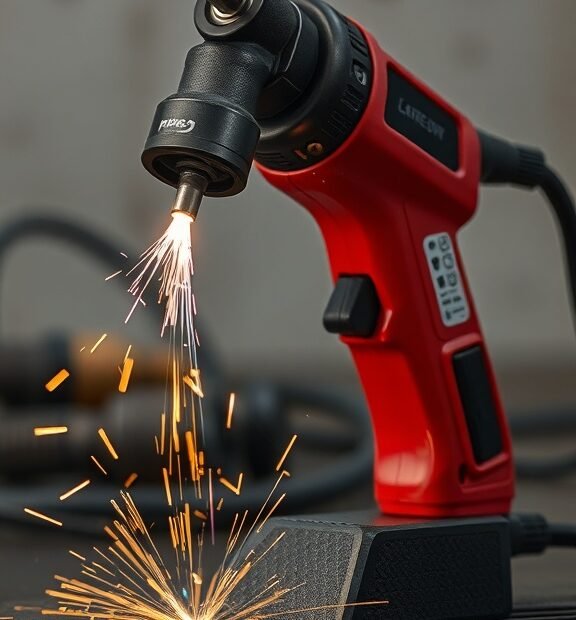
Exploring the capabilities: Can a soldering iron electric gun weld metal effectively?
When it comes to metal work, a question often arises: can a soldering iron electric gun weld metal effectively? Understanding the capabilities of these tools can help you decide which one to use depending on your project. Let’s dive into the details and explore how a soldering iron compares to more traditional welding methods.
Soldering Iron Basics
A soldering iron is generally used for joining two or more electronic components together. It melts solder, which is a filler metal, allowing it to flow between the parts as it cools and solidifies. This process creates a strong electrical bond but isn’t designed for heavy-duty metal welding. Here are some key characteristics:
- Temperature Control: Soldering irons typically operate between 350°F to 900°F (177°C to 482°C).
- Tip Variety: They come with different tip shapes to accommodate various tasks, mainly for electronic components.
- Portability: Lightweight and easy to use, making them suitable for small projects or repairs.
Understanding Welding
Traditional welding involves melting the base metals to be fused together, creating a strong metallurgical bond. Here are some common welding techniques and their characteristics:
Soldering Stations | Easy 60 Day Return
- MIG Welding: Uses a wire fed through a gun; suitable for thicker materials.
- TIG Welding: Involves a tungsten electrode and is used for precise work.
- Stick Welding: Uses an electrode that melts, filling the joint in a simpler manner.
Can a Soldering Iron Electric Gun Weld Metal?
To answer the initial question, using a soldering iron electric gun for welding metal is largely not advisable for several reasons:
- Inadequate Heat: The temperatures of soldering irons are often insufficient to melt thicker metal pieces. Most welding processes require higher temperatures—often beyond what soldering irons provide.
- Material Limitations: Soldering is primarily for non-ferrous metals, like copper and PCB components, which makes it unsuitable for structural metals like steel or aluminum.
- Bond Strength: While solder can create a strong electrical connection, the physical joint strength does not match that of typical welding methods.
When to Use Each Tool
Determining which tool to use for your project can greatly influence the outcome. Here’s a quick guide:
Soldering Stations | Easy 60 Day Return
- Choose a Soldering Iron: If you are working with electronics or thin metal sheets, such as soldering wires to circuit boards or small repair jobs.
- Choose a Welder: For structural work, thicker metals, or projects involving more demanding materials that require robust joints.
Common Uses for Soldering Irons
While soldering irons may not serve as welding tools, they are incredibly useful in various scenarios, including:
- Electronics Repair: Perfect for fixing circuit boards or creating electronic projects.
- Crafting Metal Jewelry: Useful for small, delicate operations.
- Model Building: Ideal for tasks that involve light metal pieces or plastics.
Safety Considerations
Regardless of what tool you decide to use, keeping safety at the forefront is essential. Make sure to always wear appropriate safety gear, including gloves and goggles, when working with metal. Additionally, ensure your workspace is free of flammable materials.
Soldering Stations | Easy 60 Day Return
While a soldering iron electric gun is not suitable for traditional metal welding, it holds its own in specific applications. By knowing what each tool can do, you can choose wisely for your projects. This understanding can make a huge difference in crafting successful outcomes in both electronics and metalwork.
Comparing soldering technologies: Soldering iron vs. welding equipment for metal jobs
When it comes to joining metals, you might wonder whether to use a soldering iron or welding equipment. Each method serves a specific purpose, and understanding the differences can help you choose the right one for your projects. Let’s dive into the details of soldering versus welding.
Soldering is a process where a filler metal, usually a lead or lead-free alloy, is used to bond two or more pieces of metal together. The soldering iron heats the metals to a temperature below their melting point. This means that you are not melting the base metals, but rather melting the solder that will join them. On the other hand, welding involves melting the base metals along with a filler material, creating a much stronger bond.
Soldering Stations | Easy 60 Day Return
Here is a comparison of key features to consider between soldering and welding:
- Temperature: Soldering typically operates at around 180°C to 250°C (356°F to 482°F), while welding can reach up to 3,500°C (6,332°F) depending on the materials and method.
- Joint strength: Welding usually provides a much stronger joint compared to soldering because the base metals are fused together. Soldered joints are suitable for more delicate connections.
- Usage: Soldering is often used in electronic work, plumbing, and smaller metal repairs, while welding is used in construction, automotive work, and heavy industrial applications.
- Skill level: Soldering can be easier for beginners to learn, as it requires less specialized equipment and training. Welding skills require significant practice to master.
- Portability: A soldering iron is generally lightweight and easy to carry, making it ideal for home repairs. Welding equipment can be bulky and typically requires a power source and more setup time.
Now let’s break down when you should opt for a soldering iron versus welding equipment. If you’re working on electronics, such as circuit boards or repairing small items, a soldering iron is your best choice. It’s perfect for precise work and can handle the delicate nature of electronic components without risk of damage.
Soldering Stations | Easy 60 Day Return
For plumbing tasks, soldering is also effective, especially when joining copper pipes. The low heat reduces the risk of damaging surrounding materials.
On the other hand, if your project requires heavy-duty metalwork, welding is the way to go. Whether you’re constructing frameworks, building vehicles, or working on larger pieces of equipment, welding provides the necessary strength and durability. The molten metal creates a fusion that makes the bond very robust.
Soldering Stations | Easy 60 Day Return
Welding comes in various forms, including MIG (Metal Inert Gas), TIG (Tungsten Inert Gas), and stick welding. Each method has its specific advantages, depending on the materials you are working with and the environment. For instance, MIG welding is known for its speed and ease of use, making it popular for beginners and DIY projects.
Another key point to consider is safety. Welding generates intense heat and sparks, making protective gear essential. It’s important to wear a welding helmet, gloves, and flame-retardant clothing. On the contrary, soldering involves lower heat, but you should still wear proper eye protection and work in a well-ventilated area when using soldering materials, especially those that may emit harmful fumes.
Soldering Stations | Easy 60 Day Return
Both soldering and welding have their unique strengths and weaknesses. Soldering is suitable for smaller, precise jobs such as electronics and plumbing, while welding is the king when it comes to large-scale projects requiring strong structural integrity. Understanding these differences will help you decide which method is better suited for your metalworking needs.
Ultimately, your choice will depend on the specifics of your project. If you need a reliable bond for complex electronics, stick with a soldering iron. If you’re tackling more substantial tasks that demand strength, then welding equipment will serve you better.
Conclusion
When considering the question, "Can a soldering iron electric gun weld metal?" it’s clear that while both soldering and welding have their unique applications, they play distinct roles in metalwork. Soldering iron electric guns are fantastic for small-scale projects involving delicate connections, particularly in electronics where precision is paramount. However, they lack the power and heat necessary for more substantial metalworking tasks.
Soldering Stations | Easy 60 Day Return
Comparatively, traditional welding equipment is designed to join metals with greater strength and durability. Whether you’re working with thick steel or aluminum, welding can create robust and permanent bonds that a soldering iron cannot replicate. The techniques required for effective welding also differ significantly from those of soldering, emphasizing the importance of choosing the right tool for your specific needs.
If you’re a hobbyist or DIY enthusiast, understanding these differences can guide you in selecting the appropriate tools for your projects. For small repairs or electronic applications, a soldering iron may suffice. On the other hand, for fabricating and constructing metal structures, investing in proper welding equipment is essential.
Soldering Stations | Easy 60 Day Return
Ultimately, recognizing the limitations and capabilities of each method ensures that you’ll achieve the best results, whether you’re connecting wires or fabricating a custom metal piece. By matching the task to the correct technique, you can enhance your skills and achieve greater success in your metalworking endeavors.