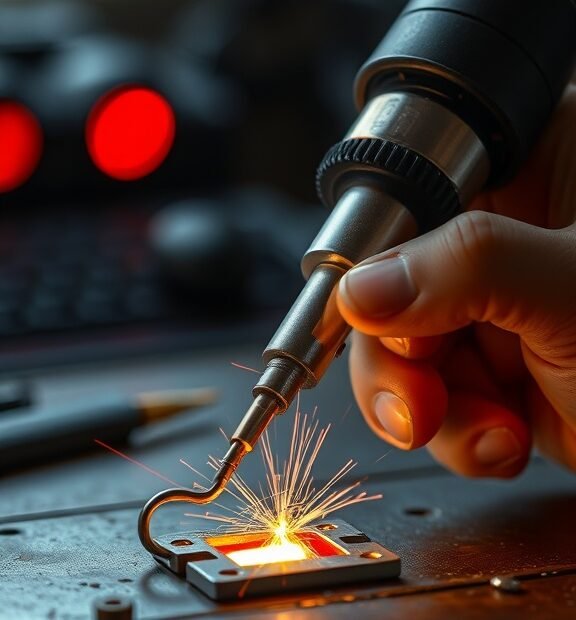
Step-by-Step Guide on How to Use a Soldering Iron for Beginners
Learning how to use a soldering iron can be a rewarding skill for both hobbyists and professionals alike. Whether you’re building electronics, repairing wires, or creating jewelry, mastering this tool will open up many possibilities. Here’s a detailed guide to get you started.
Understanding the Tools Required
Before diving into soldering, it’s important to gather the necessary tools. Here’s what you need:
- Soldering Iron: Choose one with adjustable temperature settings for better control.
- Solder: Use a rosin core solder, which is suitable for most electronics.
- Soldering Iron Stand: Keep your soldering iron safe when not in use.
- Soldering Flux: Enhances soldering process by preventing oxidation.
- Soldering Wire: The wires you’ll be soldering together.
- Safety Goggles: Protect your eyes from any debris or solder splashes.
- Sponge or Brass Wool: For cleaning the soldering tip.
- Work Surface: A non-flammable, heat-resistant surface is crucial.
Preparing Your Work Area
Start by finding a suitable workspace. It should be well-ventilated, clutter-free, and away from flammable materials. Lay down a heat-resistant mat to protect underlying surfaces.
Soldering Stations | Easy 60 Day Return
Step-by-Step Usage
Now, let’s go through the process step-by-step.
1. Plug In and Preheat the Soldering Iron
Plug your soldering iron into an outlet and let it heat up. This usually takes about 5-10 minutes. A hot soldering iron is essential for effective soldering.
Soldering Stations | Easy 60 Day Return
2. Clean the Tip
Once the iron is hot, clean the tip using a damp sponge or brass wool. This removes oxidation and improves solder flow.
3. Get Your Components Ready
Prepare the wires or components you’ll be soldering. Strip about 1/2 inch of insulation from the ends of the wires using a wire stripper. If you are soldering components onto a circuit board, make sure the holes are clear of any debris.
Soldering Stations | Easy 60 Day Return
4. Apply Flux (Optional)
For better solder adhesion, apply a small amount of flux to the area that needs soldering. This is especially useful for circuit boards or when working with older wires.
5. Position the Wires or Components
Hold the wires or components you intend to solder together. Ensure that their connection is secure and stable. You can use clamps or a helping hand tool to keep everything in place.
Soldering Stations | Easy 60 Day Return
6. Heat the Connection
Touch the tip of the soldering iron to the point where the wires or components meet. Hold it there for about 2-3 seconds to heat the joint adequately.
7. Apply Solder
Once your connection is hot enough, bring the solder wire to the point of contact (not the soldering iron). The solder will melt and flow into the joint. Remove the solder after a second or two, but keep the iron in place for another second to let the solder bond.
Soldering Stations | Easy 60 Day Return
8. Remove the Soldering Iron and Let it Cool
After applying solder, gently lift the soldering iron away. Allow the connection to cool for a few seconds before touching it, as it will be hot.
Post-Soldering Cleanup
Once you have finished soldering, turn off the soldering iron and unplug it. Clean the tip again, using the damp sponge or brass wool, to ensure it remains in good condition for future use. Store your tools properly, maintaining safety and keeping them in good working order.
Soldering Stations | Easy 60 Day Return
Safety Tips to Keep in Mind
- Always wear safety goggles to protect your eyes from solder splashes.
- Use pliers or tweezers to hold small components.
- Never leave the soldering iron unattended while plugged in.
- Work in a well-ventilated area to avoid inhaling fumes.
With practice, you will become proficient in using a soldering iron. Remember to take your time as you learn this valuable skill. Happy soldering!
Common Mistakes to Avoid When Soldering: Tips for Perfect Joints
Soldering can be a fantastic skill that opens doors to creative projects, repairs, and intricate electronic work. However, many enthusiasts and beginners face challenges when learning how to solder, which can lead to frustrating mistakes. Understanding these common pitfalls and how to avoid them can significantly improve your soldering skills and help you achieve perfect joints every time.
One of the most common mistakes is using the wrong solder. There are different types of solder, such as lead-free and lead-based. Lead-free solder is more environmentally friendly but can be trickier to work with due to its higher melting point. To avoid confusion, always choose solder that fits your specific project requirements. For general electronics, using a 60/40 (tin/lead) solder is popular because of its favorable melting point and flow characteristics. This is especially important if you’re working on delicate components.
Soldering Stations | Easy 60 Day Return
Another error is applying insufficient heat or overheat to the components. If you do not heat the components enough, the solder will not flow properly, creating a weak joint. On the other hand, overheating can damage the components or the printed circuit board (PCB). The key is to hold the soldering iron against the joint for just the right amount of time—about 2-5 seconds usually does the trick. To maintain optimal temperatures, choose a soldering iron with adjustable settings.
Using too much solder is another frequent mistake. While it may seem that more solder would create a more robust connection, the opposite is true. Excess solder can lead to short circuits and make it difficult to inspect the quality of your joint. Instead, aim to use the minimum amount needed to form a good joint. A good rule of thumb is to fill the joint until it appears shiny and well-formed but not spilling over.
Soldering Stations | Easy 60 Day Return
Proper technique matters as well. One common error among beginners is failing to clean the surfaces before soldering. Dirt, oil, and oxidation can prevent solder from adhering properly, leading to weak connections. Ensure that both the component lead and the PCB pad are clean and free from contaminants. Using a small wire brush or isopropyl alcohol can prepare your surfaces effectively.
Here’s a simple checklist to help you remember:
Soldering Stations | Easy 60 Day Return
- Choose the right solder for your project.
- Heat the components adequately but be careful not to overheat.
- Use the right amount of solder.
- Ensure surfaces are clean before soldering.
Moreover, check your connection after soldering. Many beginners make the mistake of not inspecting their joints. A simple visual inspection can save you plenty of trouble later. Look for any cold joints (which appear dull) or bridges (where solder connects two pads unintentionally). If you see any anomalies, consider reworking that joint.
Cooling time is also essential. When you solder, let the joint cool naturally. Rushing this process by blowing on it or using a fan can introduce stress to the material and lead to cracks. Patience during the cooling process helps maintain the integrity of the solder joint.
Soldering Stations | Easy 60 Day Return
Using the right tools can further enhance your soldering experience. Invest in a good quality soldering iron, a soldering stand to hold your iron, and soldering flux. Flux helps clean the surfaces and improve solder flow, resulting in stronger joints. Make sure to select a flux that is compatible with your solder.
Consider practicing on scrap materials before working on your final project. This will give you better control over your technique and build your confidence. Don’t be afraid to try different methods until you find what works best for you.
Soldering Stations | Easy 60 Day Return
By avoiding these common mistakes, you will be well on your way to creating perfect solder joints. The right preparation, tools, and techniques make all the difference. Happy soldering!
Conclusion
Knowing how to use a soldering iron effectively opens up a world of possibilities for DIY projects and repairs. By following the step-by-step guide, you can confidently get started as a beginner. Remember to prepare your workspace and gather all necessary tools before you dive into your project. With practice, you’ll master the art of soldering, ensuring neat and strong connections.
Avoiding common mistakes is key to creating perfect joints. From not cleaning your components properly to neglecting to use the right amount of solder, these small missteps can lead to frustrating results. Always take your time and double-check your work to ensure that everything is in place for a successful soldering experience.
Soldering Stations | Easy 60 Day Return
Once you’ve become comfortable with the basics, don’t hesitate to experiment with different techniques and soldering projects. Continuous practice will help you become more skilled and develop your own soldering style. Whether you’re fixing electronics, creating jewelry, or building custom circuits, the possibilities are endless.
Embrace the learning curve, and don’t be discouraged by initial challenges. Every solder joint you make is an opportunity to improve. With patience, and by implementing the tips provided, you’ll soon find your soldering skills shining bright. Happy soldering, and enjoy the satisfaction that comes with mastering this important skill!