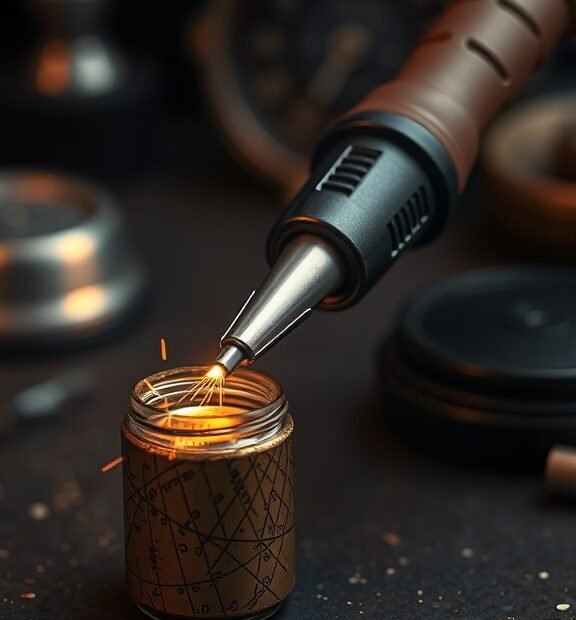
How to Tin a Brand New Soldering Iron for Efficient Electronic Work
Tinning a brand new soldering iron is one of the most important steps you can take before starting any electronics work. Properly tinning your soldering iron not only helps improve its performance but also extends its lifespan. If you want to get the best results in your soldering projects, follow these simple steps to tin your soldering iron effectively.
Gather Your Supplies
Before you start, make sure you have the following items:
- A brand new soldering iron
- Solder (preferably rosin-core solder)
- A damp sponge or brass sponge
- Safety glasses (for eye protection)
- Workstation or mat
Prepare Your Workstation
Choose a safe and clean area to work in. Make sure your workspace is well-lit and free from clutter. A tidy workstation helps you focus on the task at hand without distractions. Place all your tools and materials within reach, including the soldering iron and the cleaning sponge.
Soldering Iron Kits & Accessories
Heat the Soldering Iron
Plug in your soldering iron and set it to the desired temperature. Most soldering projects work best at temperatures around 350°C (662°F). However, always check the specifications of your soldering iron to ensure you’re not overheating it. Allow the soldering iron to heat up for a few minutes. You’ll know it’s ready when the tip feels hot to the touch.
Clean the Tip
Once the soldering iron is heated, use the damp sponge or brass sponge to clean the tip thoroughly. You want to remove any manufacturing residue that might interfere with the soldering process. Gently wipe the tip to ensure it’s clean and shiny. A well-cleaned tip will provide better heat transfer, giving you a smoother solder application.
Soldering Iron Kits & Accessories
Tinning the Iron
Now comes the crucial step of tinning. Take your solder and touch it to the tip of the soldering iron. Allow a small amount of solder to melt onto the tip. Here’s how you can do it:
- With the iron’s tip facing down, bring the solder close to the tip.
- Let the solder run onto the tip, making sure it coats the surface evenly.
- If necessary, reheat the tip slightly while adding solder to ensure an even coating.
This process will help create a layer of solder on the tip, preventing oxidation and improving conductivity.
Soldering Iron Kits & Accessories
Check the Coverage
After adding solder, inspect the tip. It should have a shiny, silver appearance, which indicates that it is well-tinned. If the solder does not cover the tip evenly, reheat and add a bit more solder as needed. A properly tinned tip is crucial for effective soldering, as it helps with heat transfer during soldering tasks.
Clean Again
After you finish tinning, wipe the tip once more on the damp or brass sponge. This helps remove excess solder while leaving enough solder to maintain conductivity. A clean tip will enhance performance and ensure minimal thermal resistance during soldering.
Soldering Iron Kits & Accessories
Regular Maintenance
Tinning is not a one-time process. Regularly tin your soldering iron every time you finish a major soldering session. This habit will help keep your soldering iron in good condition. If you notice that the tip is starting to lose its shine or becomes dull, it’s time to clean and re-tin. A soldering iron that is routinely maintained will serve you well in your electronic projects.
Safety First
Always prioritize safety while soldering. Wear safety glasses to protect your eyes from any solder splashes or fumes. Make sure your workspace is free of any flammable materials. Be careful of the hot soldering iron and avoid touching the tip when it’s heated.
Soldering Iron Kits & Accessories
Tinning a brand new soldering iron creates a good foundation for all your electronic work. By following these simple steps, you will not only be prepared but also enhance your soldering efficiency. Happy soldering!
Essential Maintenance Tips to Prolong the Life of Your Soldering Iron
Your soldering iron is a vital tool whether you are a hobbyist, a student, or a professional in the electronics field. It’s essential to keep your soldering iron in good shape to ensure effective performance and longevity. Here are several maintenance tips that will help you prolong the life of your soldering iron.
Regular Cleaning
One of the simplest yet most effective ways to maintain your soldering iron is by keeping the tip clean. As you work, oxidation and residue can build up, leading to poor soldering performance. To clean your soldering iron tip:
Soldering Iron Kits & Accessories
- Use a damp sponge or brass cleaning pad to wipe the tip regularly during use.
- Let the tip cool slightly before cleaning to avoid burns.
- For heavy build-up, consider using a specialized soldering iron cleaner or a small file to remove stubborn gunk.
Proper Tinning
Tinning your soldering iron tip is another essential maintenance tip. This involves applying a layer of solder to the tip, which helps prevent oxidation and improves heat transfer. To tin your soldering iron, follow these steps:
- First, ensure the soldering iron is heated to its operating temperature.
- Clean the tip using a sponge or brass pad to remove any impurities.
- Once clean, apply a small amount of solder to the tip, ensuring it coats thoroughly.
- Wipe off any excess solder before use.
Tinning should be done regularly, especially after you finish soldering, to maintain the tip’s condition.
Soldering Iron Kits & Accessories
Using the Right Temperature
Temperature control is crucial for effective soldering and prolonging the life of your soldering iron. Using too high a temperature can damage the tip and harm delicate components.
Here are some tips for managing temperature:
Soldering Iron Kits & Accessories
- Set your soldering iron to the appropriate temperature for the type of solder you are using. Typically, 350-400°C (662-752°F) is ideal for lead-free solder.
- Avoid leaving the soldering iron on at high temperatures for extended periods when not in use.
Store Properly
When you’re done using your soldering iron, proper storage is crucial to maintain its longevity. Consider these practices:
- Always unplug your soldering iron after use.
- Store it vertically with the tip facing upward to prevent any damage.
- If possible, use a stand that holds the soldering iron securely. This will prevent accidental damage to the tip.
Replace Worn Tips
Over time, the tip of your soldering iron will inevitably wear down. When you notice that the tip is no longer holding solder or has developed a rough texture, it’s time for a replacement. Always select the right tip type for your soldering iron model.
Soldering Iron Kits & Accessories
Replacing worn tips can greatly improve performance, making it easier to achieve clean solder joints.
Avoiding Contamination
Keeping contaminants away from your soldering iron is vital. Dust, dirt, and debris can accumulate on the tip, affecting its heat absorption and soldering performance. To avoid contamination:
Soldering Iron Kits & Accessories
- Keep your workspace clean and organized.
- Avoid touching the soldering tip with your fingers as oils from your skin can lead to oxidation.
- Try to use a clean container for any soldering materials.
Check Connections
Sometimes, issues may arise not from the soldering tip but from the connections themselves. Regularly inspect the connections of your soldering iron to ensure they are tight and not damaged. Loose or broken connections can cause inconsistent heating and may even pose a risk of electrical shock.
Taking these maintenance steps seriously will help keep your soldering iron in excellent working condition. By regularly cleaning and tinning the tip, using the right temperature, storing properly, replacing worn tips, avoiding contamination, and checking connections, you can ensure that your soldering iron remains a reliable tool for all your projects.
Conclusion
Tinning your brand new soldering iron is a vital step that not only improves its performance but also ensures a smoother soldering experience. By applying solder to the tip, you create a protective layer that enhances heat transfer and minimizes oxidation. This simple yet effective process can significantly enhance your efficiency in electronic work, making it easier to connect components and achieve clean, strong joints.
Soldering Iron Kits & Accessories
Maintenance is equally essential for prolonged soldering iron life. Regular cleaning and proper storage will prevent dirt and grime build-up, which can hinder functionality. Using the correct cleaning methods, like a damp sponge or brass sponge, can keep the tip in top shape. Additionally, re-tinning the iron after each use helps maintain that all-important layer of solder, ensuring optimal performance every time you pick it up.
By understanding how to tin a brand new soldering iron and implementing essential maintenance tips, you are setting yourself up for success in any electronic project. These practices not only extend the life of your tool but also improve the quality of your work. Whether you’re a seasoned professional or a beginner, taking the time to care for your soldering iron will pay dividends in both efficiency and results. With a well-maintained soldering iron, you’re not just soldering; you’re building connections that last. So, grab your gear and get started on your next project with confidence!