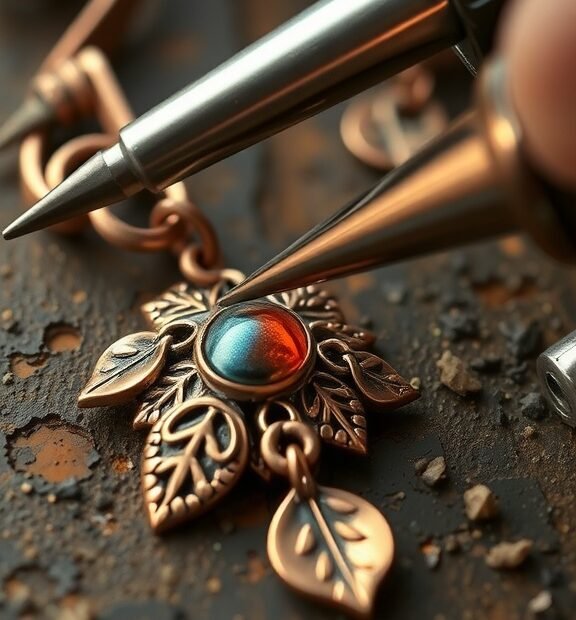
Effective Techniques for Soldering Copper Jewelry with a Soldering Iron
Soldering copper jewelry with a soldering iron can be an enjoyable and rewarding craft. Whether you are a beginner or an experienced jeweler, mastering effective techniques can help you create beautiful and lasting pieces. Here are some essential tips and methods to elevate your soldering skills.
First, gather your supplies. Having the right tools on hand will make the process smooth and efficient. You will need:
- A soldering iron: A good-quality soldering iron with a fine tip is crucial for precision.
- Copper solder: Choose a solder that matches the alloy of your copper to ensure a good bond.
- Flux: This helps clean the metal and promote better solder flow.
- Wire cutters and pliers: Useful for cutting and shaping your copper pieces.
- Safety gear: Always wear goggles and gloves to protect yourself while working.
Before you start soldering, it’s essential to prepare your copper pieces. Ensure that they are clean and free of any dirt or oils. You can achieve this by cleaning them with a steel brush or fine sandpaper. This step is critical, as clean surfaces will allow the solder to adhere properly.
Next, apply flux to the areas where you will be soldering. Flux plays a significant role in the soldering process—it prevents oxidation and helps the solder flow evenly. A thin layer will suffice. Be careful not to over-apply, as too much flux can result in messy joints.
Once you have prepared your materials, it’s time to heat your soldering iron. Allow it to reach the appropriate temperature (usually around 350-400 degrees Celsius) for soldering copper. A properly heated iron ensures that the solder melts quickly and creates a strong bond.
Now, place your copper pieces together in the position you desire. This alignment is crucial for ensuring that your solder joint is strong and holds together well. Use pliers to hold the pieces in place if necessary.
With the soldering iron ready, touch the tip to the joint area where you applied flux. The goal is to heat the copper, not the solder itself. When the copper is hot enough, the solder will flow into the joint through capillary action. Remember, this process can happen quickly, so keep an eye on the solder as it melts.
As you apply the solder, move the iron along the joint to ensure an even application. Use just enough solder to fill the joint without making it excessive. Too much solder can create a messy appearance and weaken the joint. Once the solder has flowed into the joint, remove the soldering iron and allow the piece to cool naturally. This cooling process is important—do not quench it in water, as this can lead to fractures or weak spots.
After the piece has cooled, inspect the solder joint. It should appear smooth and shiny. If there are gaps or rough areas, you can use a file or sandpaper to smooth these out. Clean the piece again using a gentle abrasive to remove any remaining flux residue.
In addition to these techniques, practice makes perfect! Start with simple designs before advancing to more complex jewelry pieces. The more you solder, the more comfortable you will become with controlling the heat and flow of solder. Don’t be discouraged by initial mistakes—a few missteps are part of the learning process.
To enhance your skills further, consider experimenting with different thicknesses of copper and soldering methods, such as using a torch for larger pieces or trying different flux types. This exploration will help you find the perfect technique that fits your style.
Always remember to work in a well-ventilated area and adhere to safety protocols. Being aware of safety will allow you to focus on perfecting your craft without worry. Take your time, be patient, and enjoy the creative journey of soldering copper jewelry.
Essential Tools and Safety Precautions for Soldering in Jewelry Making
Soldering is a crucial technique in jewelry making, especially when working with copper. It allows you to join pieces together and create beautiful, unique designs. However, before you dive into soldering, it’s vital to have the right tools and observe necessary safety precautions. This ensures that your experience is not only productive but also safe.
Essential Tools for Soldering in Jewelry Making
Getting started with soldering copper jewelry requires a few essential tools. Here’s a list of what you should gather:
- Soldering Iron: The heart of your soldering operation. Choose one with a fine tip for precision.
- Copper Solder: Available in different formulations, select either hard or soft solder, depending on your project.
- Soldering Flux: This substance prevents oxidation and helps the solder flow smoothly.
- Jeweler’s Saw: Use this to cut copper sheets or wires into desired shapes before soldering.
- Third Hand Tool: This handy tool holds your pieces in place while you work, leaving your hands free.
- Heat Resistant Surface: A sturdy and heat-resistant work surface is essential to prevent damage to your workspace.
- Safety Glasses: Protect your eyes from sparks and debris that may occur during soldering.
- Respirator Mask: When working with flux and solder, a respirator will help filter out harmful fumes.
- File and Sandpaper: Use these to smooth out edges post-soldering for a polished finish.
Preparing Your Workspace
Before you start soldering, it’s essential to set up an organized workspace. Keep all tools within reach and ensure your area is well-ventilated. This is particularly important due to the fumes generated during soldering. A clean workspace minimizes the risk of accidents and enhances your focus.
Basic Safety Precautions
Safety should never be an afterthought. Adhering to safety precautions is just as important as mastering the technique itself. Here’s what you should keep in mind:
- Wear Protective Gear: Always put on safety glasses and thick gloves before you begin soldering.
- Check Your Equipment: Inspect your soldering iron for any visible damage before use.
- Keep a Fire Extinguisher Nearby: It’s a good idea to have a fire extinguisher rated for electrical fires nearby, just in case.
- Avoid Clutter: Keep your work area free from flammable materials, including fabrics and paper.
- Be Mindful of Fumes: Soldering can produce fumes. If the smell becomes intense, step away for fresh air.
Practicing Good Technique
Once you have gathered your tools and set the stage, it’s time to practice your soldering technique. Here are some tips for effective soldering:
- Heat Up the Soldering Iron: Allow your soldering iron to reach optimal temperature before starting.
- Apply Flux: Coat the joints of the copper pieces with soldering flux to help the solder flow.
- Touch the Solder: Once the joint is heated, touch the solder to the connection; it should melt and flow into the joint.
- Use a Cold Connection: If you accidentally move the joint before the solder cools, it can create a weak bond. Allow the soldered area to sit undisturbed until it’s cool.
After you finish soldering, thoroughly clean any excess flux from your jewelry piece. A simple rinse in warm water followed by a gentle scrub should do the trick. This final step not only enhances the appearance of your jewelry but also prepares it for any further finishing touches like polishing.
With practice, patience, and precaution, soldering copper jewelry will transform from a daunting task into an enjoyable part of your jewelry-making process. By arming yourself with the right tools and always prioritizing safety, you’ll be well on your way to creating stunning pieces that reflect your craftsmanship.
Conclusion
Soldering copper jewelry is an art that combines creativity with precision, and mastering the techniques discussed can elevate your jewelry-making skills. By using the right soldering techniques, such as applying heat evenly and selecting the appropriate type of solder, you can achieve secure and aesthetically pleasing joints. Remember, practicing these methods will enhance your confidence and effectiveness in soldering, allowing you to create intricate designs with ease.
Equipping yourself with essential tools is critical to successful soldering. A reliable soldering iron, flux, and solder tailored for copper are fundamental components of your toolkit. Additionally, don’t overlook the importance of safety precautions. Wearing protective gear like goggles and gloves not only protects you from burns but also ensures a safer workspace. Keeping a clean and organized area while working can also minimize risks and distractions.
As you dive into your jewelry-making journey, embracing these techniques and tools will provide a strong foundation for your soldering projects. This meticulous craft opens doors to endless creative possibilities, allowing you to express your unique style through each piece you create. Keep experimenting and refining your skills, and soon you’ll transform your vision into stunning, handcrafted jewelry that showcases your talent. Happy soldering!