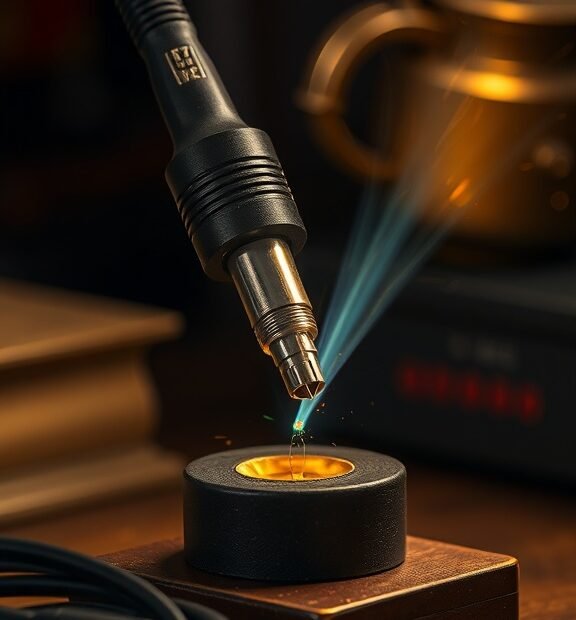
Step-by-Step Guide on How to Make an Electric Soldering Iron
Creating your own electric soldering iron can be an enjoyable and educational project. It allows you to gain insight into electronics, tools, and DIY skills. Follow this step-by-step guide to learn how to create an electric soldering iron from scratch.
Materials Needed
- Metal tip (copper or brass)
- Heating element (such as a nichrome wire or soldering iron tip from an old soldering iron)
- Insulated wire
- Power source (adapter, batteries, or a power outlet)
- Switch
- Insulation material (like heat-resistant plastic or rubber)
- Safety goggles
- Wire cutter
- Screwdriver
- Electrical tape
Step 1: Preparing the Heating Element
Your heating element is the heart of your soldering iron. If you’re using nichrome wire, cut a piece to the necessary length, usually around 6-8 inches. If you’re using a used soldering iron tip, make sure it’s clean and ready to use. This piece will be responsible for providing the heat needed to melt solder.
Step 2: Attaching the Heating Element
Securely attach the heating element to the metal tip. If you’re using nichrome wire, you can wrap one end around the tip and secure it with electrical tape. If using an old soldering iron tip, make sure it slots in well but can still remain clean and functional.
Step 3: Connecting the Power Source
Next, you will connect the heating element to your power source. It’s important to ensure that you’re using the right voltage to avoid damaging your heating element. Use your insulated wire to connect one end to the heating element’s base.
Connect the other end to the switch. This will allow you to easily turn the soldering iron on and off. Be sure to wrap all exposed connections with electrical tape to ensure safety. It’s advisable to use a power source that meets the heating element’s specifications.
Step 4: Insulating the Handle
To protect your hands from heat, you need to insulate the handle of your soldering iron. Use heat-resistant materials, such as rubber or heat-resistant plastic. If you have an old soldering iron handle, you can use that for an easier solution. Ensure it fits securely around the wire connections; you don’t want any exposed wires. This will also help in giving a better grip.
Step 5: Final Assembly and Testing
Once you have assembled the tip, power source, and insulated handle, it’s time to put everything together. Ensure that all connections are tight and that there are no exposed wires. Wrap all connections in electrical tape to avoid shorts. Plug the soldering iron into a suitable outlet or connect it to the battery.
Before you begin using it, wear your safety goggles. Turn on the switch and observe the heating element. It should begin to glow red as it heats up. If it does not heat up or you notice any unusual smells, turn it off immediately and recheck your connections.
Safety Tips
- Always wear safety goggles when testing your soldering iron.
- Work in a well-ventilated area to avoid inhaling any fumes.
- Keep flammable materials away from your workspace.
- Be cautious when handling hot components.
By following these detailed steps, you can successfully create your own electric soldering iron. This project not only gives you a valuable tool for various tasks but also enhances your understanding of electrical components. Enjoy your new DIY soldering iron and let it help you dive deeper into the world of electronics!
Essential Safety Tips When Using Homemade Soldering Tools
Using homemade soldering tools can be a rewarding experience, allowing you to create and repair electronics with a personal touch. However, it’s essential to prioritize safety to prevent accidents and injuries. Here are essential safety tips to keep in mind when using these tools.
Wear Proper Personal Protective Equipment (PPE)
Your safety starts with the right gear. Always wear appropriate PPE to protect yourself from potential hazards. Here’s a checklist of items to consider:
- Safety Goggles: Protect your eyes from sparks and debris.
- Heat-Resistant Gloves: Shield your hands from hot solder and metal.
- Dust Mask: Avoid inhaling solder fumes or other particles.
- Apron: Wear a protective apron to keep harmful substances off your clothing.
Keep a Clean Workspace
An organized and tidy workstation reduces the risk of accidents. Make it a habit to:
- Clear your bench of unnecessary items.
- Keep all tools within reach to minimize movement.
- Organize wires and components to prevent tripping hazards.
Ensure Proper Ventilation
When soldering, you can release harmful fumes. To protect your health:
- Work in a well-ventilated area.
- Consider using a fume extractor if you’re working indoors.
- Open windows or use fans to improve airflow.
Handle the Soldering Iron Safely
The soldering iron gets extremely hot and can cause serious burns. Follow these tips:
- Always place the soldering iron in its holder when not in use.
- Avoid touching the tip and surrounding area.
- Unplug the soldering iron when it’s not in use to prevent accidental burns.
Know the Materials You’re Working With
Understanding the components is crucial for safety. Ensure that:
- You’re aware of the solder type and its properties.
- You use lead-free solder when possible to minimize health risks.
- You check for any chemicals associated with the materials you’re soldering.
Be Mindful of Electrical Safety
Electricity can be dangerous, especially when working with homemade tools. Keep these points in mind:
- Always check your tools and connections for fraying wires or damage.
- Avoid working on a project while it’s plugged in, unless absolutely necessary.
- Ensure your soldering iron is rated for the voltage you are using to prevent shocks.
Practice Caution with Hot Surfaces
Besides the soldering iron, other tools and components may also get hot. Remember to:
- Let tools cool down before handling.
- Use heat sinks on sensitive components to prevent overheating.
- Store hot tools away from flammable materials.
Emergency Preparedness
In the event of an accident, being prepared is key. Here’s what to do:
- Have a fire extinguisher accessible, ideally one rated for electrical fires.
- Know the location of the nearest first aid kit and its contents.
- Familiarize yourself with emergency exits in case of a severe incident.
By following these safety tips, you can enjoy your soldering projects while minimizing risks. Always prioritize your well-being and make smart decisions while working with soldering tools. Safety doesn’t take a day off, so make it a standard practice every time you solder.
Conclusion
Creating your own electric soldering iron can be a rewarding project that not only enhances your DIY skills but also saves you money. By following the step-by-step guide, you’ve learned how to construct a functional tool tailored to your needs. Ensuring you have the right materials, such as a copper tip and appropriate wiring, is crucial for effective soldering performance.
While building your soldering iron, it’s imperative to prioritize safety. Remember, dealing with high temperatures and electrical components can pose risks. Always wear protective gear, ensure your workspace is well-ventilated, and keep flammable materials away. Familiarizing yourself with the proper handling techniques is vital to avoid accidents. Proper maintenance of your handmade soldering iron will also prolong its lifespan and ensure optimal performance.
As you embark on your soldering projects, take the time to practice and improve your technique. With your homemade tool in hand, you can now confidently work on electronics, crafts, or repairs, embracing creativity and innovation. Enjoy the process and remember that practice makes perfect. Engage with online forums or communities to share your experiences and learn from fellow enthusiasts.
By understanding both the technical and safety aspects of using a soldering iron, you empower yourself to tackle various projects effectively and safely. Whether you’re a beginner or looking to refine your skills, this journey into creating your own electric soldering iron is just the beginning of your adventures in electronics!