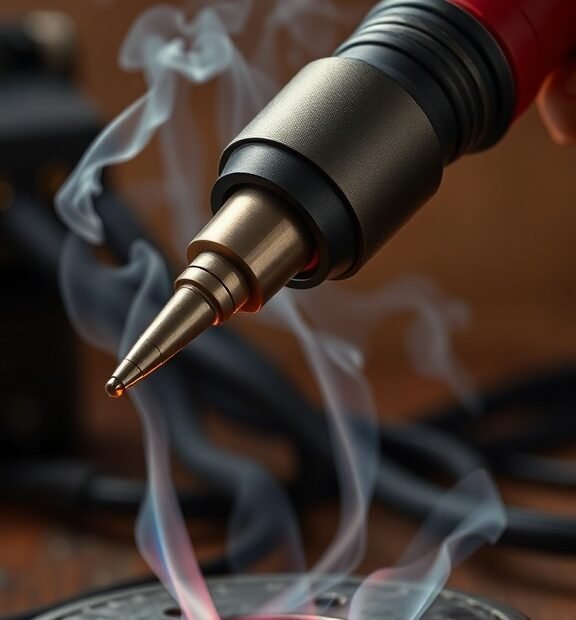
Understanding How Hot a Soldering Iron Gets in Fahrenheit and Its Impact on Soldering Projects
Soldering is an essential skill in both electronics and DIY projects. Whether you’re a beginner or an experienced soldering enthusiast, knowing how hot a soldering iron gets in Fahrenheit is vital for successful and safe soldering. This information can help you select the right soldering tool and avoid common mistakes.
A typical soldering iron can reach temperatures between 350 to 850 degrees Fahrenheit. The exact temperature you choose depends on the type of solder you’re using and the materials you’re working with. For instance:
- Lead-Based Solder: This commonly used solder melts at approximately 361°F. To effectively work with this type, it’s best to set your soldering iron to around 400°F.
- Lead-Free Solder: These solders, made primarily from tin, can melt at higher temperatures, often around 450°F to 500°F. You might need your soldering iron to be set between 450°F to 500°F for optimal results.
- Working with Different Materials: If you’re soldering copper wire, you may need a higher temperature, while delicate components, like circuit boards, will require lower settings to prevent damage.
Understanding the operating temperature of your soldering iron not only increases your efficiency but also ensures the integrity of your project. If the temperature is too low, the solder won’t flow properly, leading to weak connections. On the other hand, if it’s too high, you risk damaging sensitive components.
But why does the temperature vary so much? Several factors contribute to this range:
- Type of Solder: As mentioned earlier, the composition of your solder plays a crucial role in determining the ideal temperature.
- Application: Are you making a large connection or soldering tiny electronic components? The size and type of connection will dictate your temperature settings.
- Soldering Iron Quality: Higher-quality soldering irons often maintain a more consistent temperature, making it easier to achieve optimal results.
Safety is another critical aspect to consider. Soldering tools can reach very high temperatures, making it essential to handle them carefully. Always use protective gear like gloves and goggles to protect yourself from burns or splashes of molten solder.
For optimal use of your soldering iron, consider a few tips:
- Preheat Your Iron: Allow your soldering iron to reach the desired temperature before beginning to work. This can save time and enhance your project quality.
- Keep the Tip Clean: A clean soldering iron tip ensures better heat transfer and more reliable solder joints.
- Adjust the Temperature: Depending on the task at hand, adjust the temperature for safety and efficiency.
Your soldering iron’s heat management significantly affects your projects. By maintaining the correct temperature in Fahrenheit, you’ll create stronger and more reliable solder joints. It makes a difference between a successful build and a frustrating experience.
If you’re unsure about the appropriate temperature for a specific project, referring to the manufacturer’s guidelines for both solder and equipment can help ensure success. Many soldering iron models come with adjustable temperatures, allowing you to switch easily for different tasks.
Knowing how hot a soldering iron gets in Fahrenheit is crucial for any soldering project. It plays a critical role in both the quality and safety of your work. Whether you’re a novice or seasoned pro, mastering the temperature settings will enhance your soldering experience significantly. Always prioritize safety and the right techniques for optimal soldering results.
Safety Tips for Using a Soldering Iron at High Temperatures
Using a soldering iron can be a rewarding task, allowing you to repair electronics, create art, or work on DIY projects. However, working with high temperatures requires a keen understanding of safety practices to prevent accidents. Knowing how hot your soldering iron gets is vital for your protection and the success of your project.
Most soldering irons reach temperatures between 350°F and 900°F, depending on the type of solder used and the specific task at hand. At such high temperatures, safety precautions become crucial. Here are some essential tips to keep in mind:
Wear Protective Gear
When soldering, ensure you’re wearing protective gear. Good choices include:
- Safety Goggles: Protect your eyes from any flux fumes or accidental splashes of hot solder.
- Heat-Resistant Gloves: Wearing appropriate gloves can help prevent burns when you’re handling hot materials.
- Apron: A heat-resistant apron can shield your clothing and skin from any accidental contact with the soldering iron.
Work in a Ventilated Area
High temperatures can produce fumes that may be harmful when inhaled. Always ensure that your workspace is well-ventilated. Open windows and use fans to improve air circulation. If possible, use a fume extractor to remove harmful emissions from your work area.
Keep Your Workspace Organized
A cluttered workspace can lead to accidents. Keep your soldering area tidy by following these tips:
- Clearing Debris: Remove any unnecessary tools, materials, or clutter that may get in your way.
- Proper Storage: Store solder, components, and tools in dedicated places to avoid confusion and potential hazards.
- Designated Soldering Station: If possible, have a dedicated area for soldering that is easy to clean and free from distractions.
Use a Stable Work Surface
Ensure your soldering iron is placed on a stable and heat-resistant surface. Using a soldering mat can help protect your work area and prevent the iron from slipping. Avoid working on surfaces that can catch fire or are not sturdy, as this can lead to accidents.
Handle the Soldering Iron with Care
When using the soldering iron, always be mindful of where you place it. Here are a few practices:
- Always use a stand: Ensure your soldering iron is placed in its stand when not in use to prevent accidental burns or fires.
- Don’t leave it unattended: Never walk away from your station while the soldering iron is plugged in. It’s a fire hazard and poses a risk to others.
- Pay attention to the tip: The tip of the soldering iron can reach extreme temperatures. Always allow it to cool down before touching it with bare hands.
Be Cautious with Solder
Solder itself can be dangerous, especially lead-based solder. Here are some precautions:
- Lead-free options: Whenever possible, use lead-free solder as it’s less toxic and safer for your health.
- Clean your hands: After soldering, always wash your hands to remove any residue. Avoid touching your face as solder may leave harmful substances on your skin.
Practice First
If you’re new to soldering or haven’t used high temperatures before, practice on scrap materials. This will help you get comfortable with handling the tools and increase your confidence. Understanding how hot your soldering iron gets will help you develop an instinct for when to apply the solder and when to tweak the heat settings.
By following these safety tips, you can enjoy the satisfaction of soldering while minimizing risks associated with high temperatures. Remember, safety should always come first. Equip yourself with knowledge, protective gear, and a safe workspace to make your soldering experience both enjoyable and secure!
Conclusion
When engaging in soldering projects, understanding how hot a soldering iron gets in Fahrenheit is crucial for achieving precision and efficiency. Soldering irons typically reach temperatures between 350°F to 850°F, depending on the model and the type of task at hand. Knowing this range not only helps you select the right temperature for your specific materials but also influences the quality of your solder joints.
High temperatures can effectively melt solder, but they may also lead to damage if not handled correctly. Therefore, keeping safety in mind is essential. Wearing protective gear, such as safety glasses and heat-resistant gloves, acts as your first line of defense against burns. Additionally, working in a well-ventilated area can prevent inhalation of harmful fumes that can be released when soldering.
It’s also vital to remember that the soldering iron tip should never be left unattended when hot. Using a stand and ensuring your workspace is organized will minimize hazards significantly. Always turn off or unplug the soldering iron when not in use to avoid accidental burns.
Combining an understanding of the soldering iron’s temperature capabilities with robust safety practices will enhance your soldering experience. The right approach ensures not only effective results but also a safe working environment. Equip yourself with knowledge and safety measures, and you will navigate your soldering projects with confidence and skill.