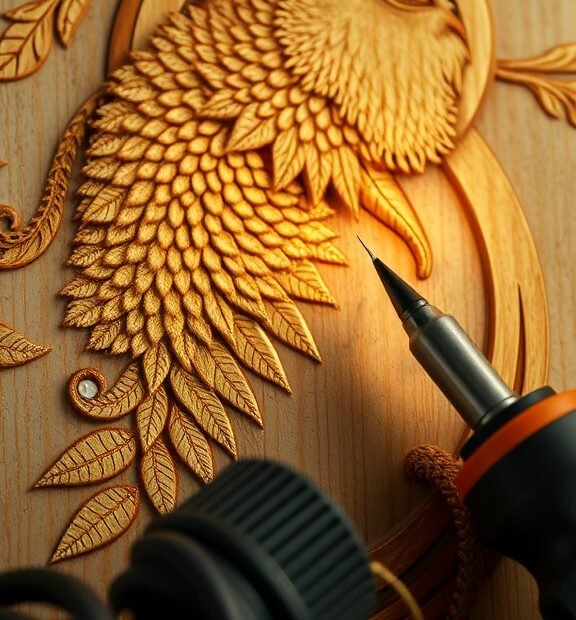
Exploring the Possibility: Can You Do Pyrography with a Soldering Iron?
Are you curious about pyrography and whether you can use a soldering iron for this art form? Many people wonder if they can create beautiful woodburning designs with tools already in their toolbox. Pyrography, the art of decorating wood or other materials with heat, traditionally involves specialized pyrography pens. However, a soldering iron can also serve as a viable option. Let’s explore how this works and what you need to consider when using a soldering iron for pyrography.
Understanding Pyrography
Pyrography is a fascinating way to embellish wood with artistic designs. Using heat from a pyrography tool, artists can produce a variety of textures and shades, leading to stunning results. These tools typically come with interchangeable tips that offer different effects, allowing for detailed work. But if you don’t have a pyrography tool on hand, can you adapt a soldering iron for the same purpose?
Can You Use a Soldering Iron for Pyrography?
Yes, you can use a soldering iron for pyrography, but there are some things you need to know. While a soldering iron is designed for electronics, it generates heat in a similar way to pyrography tools. This means that with a steady hand and some practice, you can create intricate designs.
Soldering Stations | Easy 60 Day Return
Key Considerations Before You Start
Before diving into your pyrography project with a soldering iron, consider the following:
- Tip Compatibility: A soldering iron usually has a conical tip. While this can work, it may not provide the variety you’d get from specialized pyrography tips. You might find it useful to purchase additional tips that allow for different strokes.
- Temperature Control: Unlike dedicated pyrography tools, most soldering irons do not offer variable temperature settings. This can make it harder to achieve different effects. Keeping a close eye on your work and adjusting your technique will be necessary as you get familiar with the tool.
- Material Usage: Ensure that the wood or material you intend to use is suitable for pyrography. Softwoods like pine or basswood are excellent choices for beginners.
- Safety Precautions: Working with heat can be risky. Always wear protective gloves and work in a well-ventilated area. Be mindful of your surroundings to avoid accidents.
How to Get Started with Soldering Iron Pyrography
Getting started is simple! Here are some easy steps to follow:
Soldering Stations | Easy 60 Day Return
- Gather Your Supplies: You will need a soldering iron, wood, a pencil for sketching your design, and some fine-grit sandpaper.
- Prep Your Wood: Sand the surface of your wood to make it smooth. This allows for cleaner lines and a better overall finish when burning your design.
- Sketch Your Design: Use a pencil to draw your design lightly on the wood. This serves as a guide as you work.
- Heat Your Soldering Iron: Plug in your soldering iron and let it heat up. Be cautious; it may take some time to reach the right temperature.
- Start Burning: Begin tracing over your design slowly and carefully. Apply different pressures to create varied shading. You can even practice different strokes on scrap wood to build up your comfort and skill level.
- Finish Your Piece: Once complete, you can seal your artwork with a finish, such as wood varnish, to protect it.
Tips for Success
To make the most of your pyrography project with a soldering iron, keep these tips in mind:
- Practice makes perfect; don’t be discouraged if your first attempts aren’t flawless.
- Experiment with speeds and pressure to see how they affect the burn depth and texture.
- Consider gradual shading instead of solid areas for a more professional look.
Using a soldering iron for pyrography can be an exciting and creative endeavor. While it may not offer the same level of finesse as a dedicated pyrography pen, it is a workable alternative, especially for beginners. So, grab your soldering iron and let your creativity flow! You might just discover a new passion in the world of woodburning.
Essential Tools and Techniques for Effective Pyrography
When diving into the world of pyrography, or wood burning, having the right tools and techniques can make all the difference in your projects. This craft allows you to create beautiful, intricate designs on wood, leather, and other materials. Even if you’re just starting out, understanding the essential tools and techniques can help you achieve stunning results.
Soldering Stations | Easy 60 Day Return
Essential Tools for Pyrography
Before you begin your pyrography journey, make sure you gather the necessary tools. Here’s a detailed list of items you may consider:
- Pyrography Pen: This is the primary tool you’ll use. Choose one with adjustable temperature settings for greater control over your work.
- Woodburning Tips: Different tips provide various effects—fine points for intricate details and cursive tips for writing.
- Wood Selection: Softwoods like pine and basswood are ideal for beginners, while hardwoods offer more durability for advanced projects.
- Cutting Tools: A craft knife or chisel can help refine edges or clean up mistakes.
- Sandpaper: Use this for smoothing out your wood surface before you start; finer grits are preferable for a clean finish.
- Pencil and Graphite Transfer Paper: Sketch out your design and transfer it onto the wood easily.
- Safety Gear: Don’t forget gloves and goggles to protect yourself from burns and dust.
Setting Up Your Workspace
Your workspace plays a crucial role in your pyrography projects. Make sure to follow these tips:
Soldering Stations | Easy 60 Day Return
- Ventilation: Work in a well-ventilated space to avoid inhaling fumes from the burning wood.
- Stable Surface: Use a sturdy table or workstation that can hold your wood steady while you work.
- Lighting: Good lighting helps you see details clearly as you create your designs.
- Organized Tools: Keep tools within reach to minimize distractions and make the process smoother.
Basic Techniques to Master
Once you have your tools and workspace ready, it’s time to practice some basic techniques:
- Linear Stroke: Start with simple lines and practice how the pen glides over the surface. Consistent pressure can produce varied depths of burn.
- Shading: Create a gradient effect by varying the temperature and pressure of your pen. Use a shader tip for silky-smooth effects.
- Stippling: This technique involves making small dots or punctures to create texture. It’s great for backgrounds or adding depth to images.
- Writing: Practice cursive letters using specialized tips. Start slow to get used to the flow of writing with a heated pen.
Enhancing Your Skillset
To elevate your pyrography art, continue exploring new ideas and techniques:
Soldering Stations | Easy 60 Day Return
- Experiment with Heat: The temperature of your pyrography pen can create different textures and shading. Find what works best for your projects.
- Layering Effects: Work in layers to build depth. Start with lighter burns and gradually build up darker tones.
- Color: Use color stains or paints to highlight your pyrography. Once your piece is complete, add color to enhance its appearance.
- Crafting Templates: Create or purchase templates for more complex designs. They can serve as guides to improve your accuracy.
Learning pyrography is a fulfilling journey that can result in stunning creations. As you work with these essential tools and techniques, remember that practice cultivates skill. Enjoy the process, experiment with new methods, and let your creativity flow. Each project is an opportunity to improve, so stay patient and keep creating beautiful art!
Conclusion
Pyrography, often known as wood burning, can be a rewarding and creative hobby, and many aspiring artists often wonder if they can use a soldering iron for this art form. The answer is yes, you can use a soldering iron to create beautiful pyrographic designs. However, it’s important to keep in mind that while a soldering iron can achieve some effects, it lacks the versatility and precision of specialized pyrography tools.
To achieve the best results, understanding the essential techniques is crucial. Techniques such as shading, outlining, and texturing can be accomplished with practice, whether you choose a soldering iron or dedicated pyrography pens. You might need to adjust your approach based on the tool you’re using.
Soldering Stations | Easy 60 Day Return
If you decide to try pyrography with a soldering iron, ensure you have the right materials—like untreated wood or suitable leather—to get the most out of your efforts. Remember to prioritize safety since these tools operate at high temperatures.
Ultimately, the journey into pyrography can be a fulfilling exploration of your creative side. While a soldering iron may serve as a stepping stone into the world of wood burning, investing in dedicated pyrography tools down the line could enhance your skills and expand your artistic capabilities. Embrace this opportunity to express yourself and enjoy the process of transforming simple materials into striking works of art!