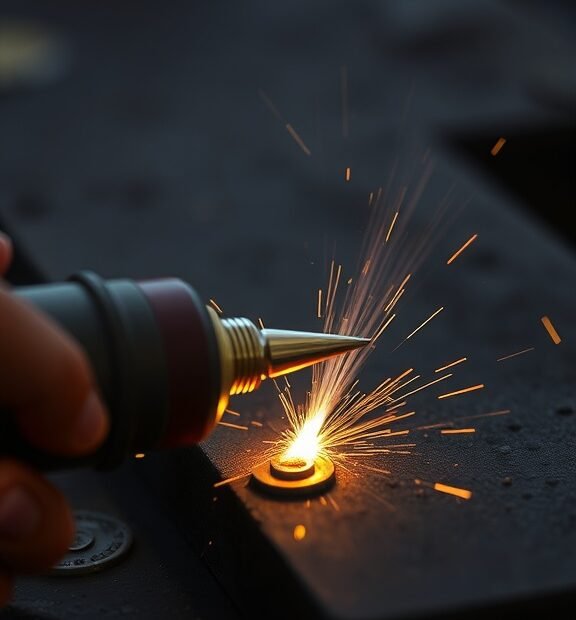
Can a Soldering Iron Melt Steel? Understanding Temperature Limits and Applications
When tackling metalwork projects, you might wonder, “Can a soldering iron melt steel?” It’s a common question, especially for hobbyists and DIY enthusiasts who want to understand the limits of their tools. Soldering irons are popular for their precision in electronics and small-scale jobs, but their ability to melt various materials can vary widely.
To answer the question effectively, we need to look at temperature limits and the properties of steel in comparison to the capabilities of a soldering iron.
Understanding Soldering Iron Temperatures
Soldering irons typically reach temperatures between 200°C (392°F) and 480°C (896°F). The specific temperature depends on the type of soldering iron and the settings it features. Here’s a breakdown of the temperatures for various types of soldering work:
Soldering Iron Kits & Accessories
- Basic Soldering: Most hobbyist soldering irons operate at around 300°C (572°F).
- Lead-Free Soldering: This requires higher temperatures typically reaching 400°C (752°F).
- Precision Soldering Tasks: Some advanced tools can go up to 480°C (896°F).
Melting Point of Steel
Steel, on the other hand, has a significantly higher melting point, which can range between 1425°C (2600°F) and 1540°C (2800°F) depending on the specific alloy. This means that a standard soldering iron cannot generate enough heat to melt steel. Therefore, it is safe to conclude that a regular soldering iron is not suitable for melting steel.
Why Can’t a Soldering Iron Melt Steel?
The fundamental reason a soldering iron cannot melt steel lies in the thermal limitations. The temperature a soldering iron reaches is not sufficient to break the bonds between the metallic atoms in steel. Steel’s structure requires extreme heat to transition from solid to liquid. Here are a few points to consider:
Soldering Iron Kits & Accessories
- Heat Transfer Capability: Soldering irons are designed for precise applications, providing heat localized to a small area. This makes them efficient for soldering wires but ineffective for large-scale melting.
- Application Purpose: The soldering process doesn’t need to melt the material; rather, it requires heating the surfaces just enough to bond the solder. This is a very different requirement than melting a solid metal.
- Safety Limitations: Attempting to melt steel with inadequate tools can be hazardous. It may lead to equipment failure or personal injury.
What Tools Can Melt Steel?
If you need to melt steel for crafting or repair work, you’ll want to look at different tools, such as:
- Arc Welders: These can reach high temperatures suitable for melting steel.
- Oxy-Acetylene Torches: Common in metal fabrication, these torches provide the heat needed to melt steel.
- Induction Furnaces: Ideal for large-scale melting, induction furnaces can easily reach the temperatures necessary for steel.
Applications of Soldering Irons
Even if a soldering iron cannot melt steel, it holds immense value in other applications. Here are some common uses:
Soldering Iron Kits & Accessories
- Electronics Repair: Soldering irons excel at connecting components in circuit boards, wires, and other electronic devices.
- Craft Projects: They can be used to join metal parts in jewelry making or smaller metal arts.
- Model Building: Hobbyists often utilize soldering irons for intricate assembly of models and miniatures.
While a soldering iron offers important functions in various projects, it cannot melt steel due to its temperature limitations. Understanding the specific capabilities of your tools and the materials you work with is crucial for ensuring successful and safe projects.
As you plan your metalworking projects, keep in mind that investing in the right tool for each job will save you time and frustration. If melting steel is your goal, explore options beyond a soldering iron to achieve the results you desire.
Alternative Tools for Melting Steel: A Comparative Analysis
When it comes to melting steel, most people envision high-powered furnaces or torches that can reach extreme temperatures. However, there are various alternative tools that can effectively melt steel for different applications. Selecting the right tool depends on the scale of the task and the level of precision required. Here is a detailed look at some alternative tools for melting steel.
Soldering Iron Kits & Accessories
1. Induction Furnace
Induction furnaces use electromagnetic induction to generate heat. This method is efficient and provides precise temperature control, making it suitable for melting steel in a foundry setting. Induction heating is not only fast but also environmentally friendly, as it produces fewer emissions compared to traditional methods.
2. Arc Welder
An arc welder creates an electric arc between the welder’s electrode and the steel piece, reaching the necessary temperatures to melt the steel. This approach is advantageous for localized melting and welding tasks. Since you can control the intensity of the arc, it’s possible to achieve successful results with mild steel or specific alloys.
Soldering Iron Kits & Accessories
3. Oxy-Acetylene Torch
This method combines oxygen and acetylene gas to create a flame that can reach temperatures of around 3,500°C (6,332°F). An oxy-acetylene torch is often used for cutting and welding, and it is quite effective for melting steel in small quantities or for repairs. However, working with this tool requires proper safety precautions, as it can be hazardous.
4. Electric Arc Furnace
Electric arc furnaces (EAFs) are primarily used for large-scale steel melting. They work by using electricity to create arcs between electrodes that melt scrap steel. The EAF is quite versatile and can handle various grades of steel, making it an essential tool in steel production.
Soldering Iron Kits & Accessories
5. Plasma Torch
A plasma torch generates a high-temperature plasma stream that can cut or melt steel. While it is not typically used for melting large quantities, it excels at targeting specific areas. Plasma torches can reach temperatures exceeding 20,000°C (36,032°F), making them suitable for specialized applications involving intricate cuts.
6. Resistance Furnace
Resistance furnaces operate by passing an electric current through the steel, generating heat through resistance. This method works well for melting small steel objects or for applications that require precise control over the melting process. It’s particularly useful for manufacturing components that need tight tolerances.
Soldering Iron Kits & Accessories
- Efficiency: Induction furnaces and electric arc furnaces are typically more energy-efficient compared to other methods.
- Safety: Oxy-acetylene torches require stringent safety precautions to avoid accidents.
- Precision: Tools like plasma torches allow for intricate work but may not melt larger pieces effectively.
7. Forge
A forge is a traditional tool used for heating steel to a pliable state, rather than melting it. While a forge may not reach the melting point, it is profoundly useful for blacksmithing tasks where reshaping is required. It can be used to heat smaller pieces of steel for bending or welding.
8. Safety Considerations
When working with any tool to melt steel, safety should always be your top priority. Proper safety equipment such as gloves, goggles, and protective clothing is essential. Always read the manufacturer’s guidelines and heed all safety warnings to avoid injuries.
Soldering Iron Kits & Accessories
There are various tools you can use for melting steel, each with its strengths and weaknesses. Understanding these alternatives can help you choose the right method for your project, whether you’re working on an industrial scale or a small DIY task. Consider your specific needs, and you’ll find an option that fits perfectly.
Conclusion
When considering whether a soldering iron can melt steel, it’s essential to recognize its limitations. The typical soldering iron reaches temperatures around 350 to 480 degrees Celsius (662 to 896 degrees Fahrenheit). However, steel requires temperatures well above 1,500 degrees Celsius (2,732 degrees Fahrenheit) to melt. This stark difference makes it clear that a soldering iron is not suitable for melting steel, which fundamentally affects its applications.
Instead, exploring alternative tools is critical for tasks that involve melting steel. Options such as arc welders, oxy-acetylene torches, and induction heaters are specifically designed to reach the high temperatures necessary for such processes. Each tool has its advantages and drawbacks, making it imperative to choose one that aligns with your specific needs. Factors like the type of steel, the expected outcomes, and safety measures should all play a part in your decision-making process.
Soldering Iron Kits & Accessories
For those involved in metalworking or repair tasks requiring melting, understanding the capabilities of various tools is not just important—it’s essential for achieving the desired results safely and effectively. Soldering irons serve important roles in electronics and smaller projects, but when it comes to steel, always opt for tools that provide the necessary heat to get the job done correctly. Ultimately, having the right equipment ensures that you can work efficiently while achieving high-quality results.