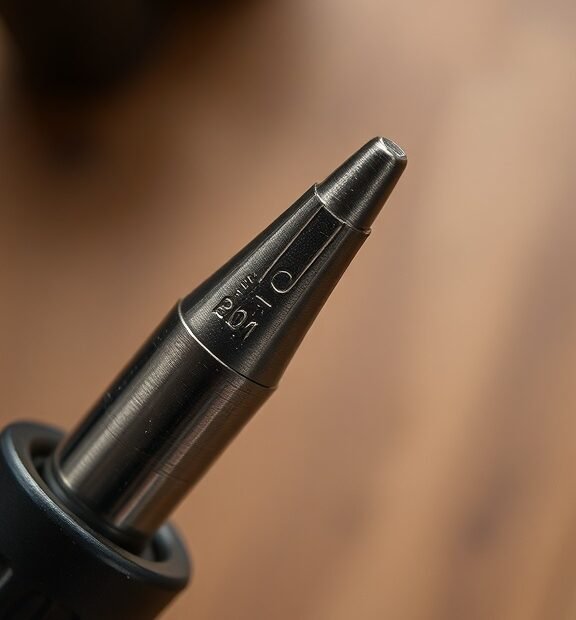
Understanding the Causes of a Black Soldering Iron Tip
When you notice a black tip on your soldering iron, it can be concerning, especially if you rely on this tool for precise soldering tasks. Understanding the causes of a black soldering iron tip is crucial for maintaining the performance of your tool. In this article, we will explore the common reasons behind this issue and offer solutions to keep your soldering iron in top shape.
First, it’s essential to know that soldering iron tips are typically made of copper, which is then plated with a layer of iron. This design allows for effective heat transfer and provides durability. However, over time and with improper care, the tips can become discolored, leading to a blackened appearance.
Chemical Reactions with Flux
One common cause of a black soldering iron tip is the reaction between the tip and the flux used during soldering. Many soldering processes involve using flux to help melt solder. While flux promotes a good bond, certain types can also lead to corrosion on the tip. The acidic properties of some fluxes can react with the iron surface, resulting in oxidation that makes the tip blackened.
Soldering Iron Kits & Accessories
Oxidation Due to Lack of Cleaning
Another frequent issue is the build-up of oxidation. If you do not clean your soldering iron tip after each use, debris, solder residue, and oxidized material can accumulate. When you expose the tip to high temperatures, this oxidation process accelerates. As a result, you may notice your soldering iron tip turning black. Regular cleaning is crucial for preventing this build-up.
Overheating the Iron
Overheating your soldering iron can also lead to a blackened tip. When the temperature exceeds the manufacturer’s recommendations, the protective coating on the tip can break down. This can result in damage and discoloration. Always make sure to use the appropriate temperature settings for the type of solder you are using and the task at hand.
Soldering Iron Kits & Accessories
Quality of Solder Used
The quality of solder can play a significant role in the condition of your soldering iron tip. Low-quality solder might contain impurities and other additives that can accelerate the degradation of the tip. Using high-quality lead-free solder can help maintain the tip’s integrity for a longer time, reducing the chance of it turning black.
Improper Storage
How you store your soldering iron can affect its longevity and appearance as well. If you keep it in a damp or humid environment, moisture can lead to corrosion. Additionally, storing the iron without a protective cover exposes the tip to contaminants that can cause discoloration. Always store your soldering tool in a dry place and consider using a protective plastic cover when it’s not in use.
Soldering Iron Kits & Accessories
Preventing a Black Soldering Iron Tip
- Clean Regularly: After each soldering session, wipe the tip with a wet sponge or brass cleaner to remove residue.
- Use Appropriate Temperature: Set your soldering iron to the correct temperature according to the specific type of solder you use.
- Choose Good Quality Solder: Invest in high-quality solder that has fewer impurities and better properties for protecting your tip.
- Store Properly: Keep your soldering iron in a dry, cool place and consider covering it when not in use.
Addressing the problem of a black soldering iron tip doesn’t have to be a daunting task. By understanding the factors that contribute to this common issue, you can take steps to not only remedy the situation but also prolong the life of your soldering iron. Keeping your tool in optimal condition is essential for achieving high-quality solder joints and ensuring your projects turn out successfully.
A black soldering iron tip can arise from various causes such as chemical reactions with flux, oxidation, overheating, the quality of solder, and poor storage conditions. By following the preventive measures listed, you can keep your soldering iron tip clean and functional for the long haul. With consistent care and maintenance, your soldering iron will continue to serve you effectively.
Effective Maintenance Tips for Soldering Iron Tips
Maintaining soldering iron tips is crucial for achieving optimal performance and extending the life of your equipment. A well-maintained soldering iron tip not only enhances the quality of your solder joints but also reduces the risk of damage to your components. If you’ve noticed that your soldering iron tip has become blackened or discolored, it’s time to take action. Here are some effective maintenance tips to keep your soldering iron tips in top shape.
Soldering Iron Kits & Accessories
Regular Cleaning
Keeping your soldering iron tip clean is one of the simplest yet most effective maintenance tasks you can perform. Dirt and oxidation can accumulate on the tip, leading to overheating and poor soldering results. Here’s how to clean your soldering iron tip effectively:
- Use a damp sponge: Regularly wipe the tip with a damp sponge while working. This will remove any excess solder and oxidation.
- Tip tinner: Apply a small amount of tip tinner to the heated tip. This helps to remove oxidation and re-tin the surface.
- Desoldering braid: Utilize desoldering braid if you experience heavy buildup. Just place it on the tip and carefully press with a soldering iron to absorb excess residue.
Proper Heating Techniques
Overheating your soldering iron can cause more than just a black tip. It can damage the soldering iron itself and lead to unsatisfactory work. To prevent overheating, follow these tips:
Soldering Iron Kits & Accessories
- Avoid prolonged heating: Don’t keep your soldering iron on for extended periods without use. Turn it off when you take breaks.
- Use appropriate temperatures: Different solder types require different temperatures. Make sure to set your soldering iron at the correct temperature to avoid damage.
Retinning the Tip
Retinning is the process of covering your soldering iron tip with fresh solder. This helps maintain its functionality and prolongs its life. Here’s a quick guide on how to retin your soldering iron tip:
- Heat the tip: Heat the soldering iron until it reaches the appropriate temperature.
- Apply solder: Add a small amount of fresh solder to the tip while it’s hot. Allow it to melt and coat the surface evenly.
- Wipe clean: wipe the tip on a damp sponge to remove any excess solder while the iron is still hot.
Proper Storage
How you store your soldering iron can also impact the lifespan of your tip. Here are some storage tips to consider:
Soldering Iron Kits & Accessories
- Use a stand: Always place your soldering iron in a proper stand to prevent it from touching surfaces that can burn or damage the tip.
- Covering the tip: If possible, use a protective cover for the tip when storing it. This will prevent oxidation and damage during storage.
- Avoid moisture: Keep your soldering iron in a dry environment. Moisture can lead to rust and degradation of the tip’s quality.
Replace When Necessary
Despite your best maintenance efforts, soldering iron tips do wear out over time. It’s important to monitor the condition of your tip regularly. If you notice persistent blackening, significant wear, or pitting, it might be time to replace it. A fresh tip can greatly enhance your soldering experience.
Effective maintenance of your soldering iron tips will lead to better soldering performance and a longer lifespan for your tools. By cleaning regularly, employing proper heating techniques, retinning when necessary, ensuring appropriate storage, and keeping an eye on tip condition, you can ensure that your soldering sessions are smooth and efficient. Remember, good maintenance habits can save you time and money in the long run!
Conclusion
Maintaining a soldering iron tip in good condition is crucial for effective soldering and achieving high-quality results in your projects. Understanding the causes of a black soldering iron tip is the first step to preventing this issue. Whether it’s oxidation from prolonged exposure to air, the reaction with certain solder materials, or improper technique, identifying the root cause can help you address the problem more effectively.
Soldering Iron Kits & Accessories
Regular maintenance is equally important. By cleaning your soldering iron tip after each use and using the appropriate solder, you can significantly reduce the risk of blackening. Consider tinning the tip before storing it, as this creates a protective barrier against oxidation. Additionally, keeping your soldering workspace clean can help prevent contaminants from affecting the tip’s performance.
Remember, a well-maintained soldering iron is not just about extending the life of the tool; it’s also about improving your overall soldering experience. A clean and functional tip will enable you to make better connections and execute your projects with precision. Keeping these factors in mind will allow you to tackle your soldering tasks with confidence and skill, ensuring that your tools work for you, not against you. Investing time in maintenance will pay off in terms of efficiency and results, leading to successful soldering every time.