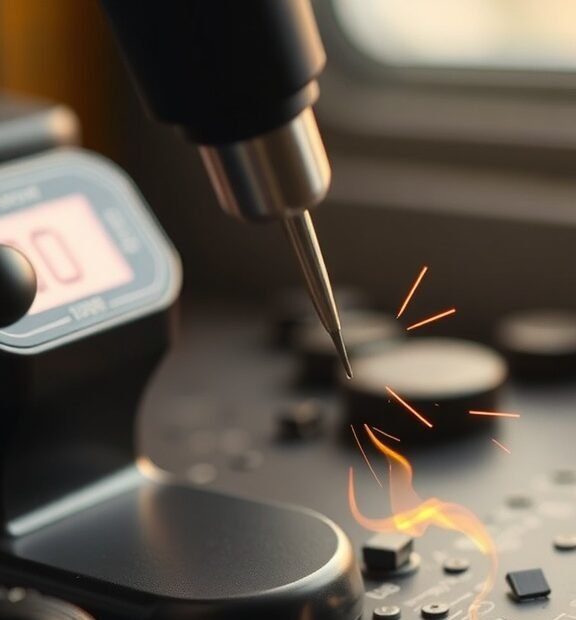
Troubleshooting Common Issues: Why is My Soldering Iron Not Heating Up?
Soldering irons are essential tools for anyone working with electronics, and a properly functioning soldering iron can make your projects much easier. However, there may come a time when you find yourself asking, “Why is my soldering iron not heating up?” Understanding the common issues that can cause this problem is key to getting your soldering iron back in working order.
Common Reasons Your Soldering Iron Isn’t Heating Up
There are several potential reasons why your soldering iron isn’t heating up as it should. Here are some of the most common issues to consider:
- Power Supply Issues: It may seem simple, but one of the first things to check is whether your soldering iron is getting power. Ensure that the soldering iron is plugged in securely and that the outlet is working. Try plugging another device into the same outlet to verify that it provides power.
- Damaged Cord: If the cord of your soldering iron is frayed, kinked, or damaged in any way, it could interrupt the power supply. Inspect the cord carefully for any visible signs of wear or damage.
- Heating Element Failure: The heating element is the heart of your soldering iron. If it has burned out, the tool won’t heat up. This is usually the result of extended use or running the iron at higher temperatures than necessary.
- Temperature Control Settings: Some soldering irons come with adjustable temperature controls. If your model has such a feature, ensure that it’s set to the desired temperature. A setting that’s too low may make it seem like the iron isn’t heating up.
- Defective Tip: Sometimes, the iron appears to be working, but the soldering tip may be clogged or oxidized, preventing effective heating. If the tip is not clean, it can hamper the transfer of heat to the solder, making it seem ineffective.
- Internal Connection Issues: Loose or broken connections inside the soldering iron can prevent it from heating up. This often requires disassembly of the unit to assess and fix the internal wiring.
Troubleshooting Steps to Follow
If your soldering iron isn’t heating up, here are some troubleshooting steps you can take:
- Check the Power: Make sure the soldering iron is plugged in. Try using a different outlet, and check if the plug or cord is damaged.
- Inspect the Cord: Look over the entire length of the cord for any signs of wear or damage. If you find fraying, you may need to replace it.
- Test the Heating Element: If you suspect that the heating element may be faulty, testing it requires more advanced tools. If you’re comfortable doing so, use a multimeter to check for continuity.
- Clean the Tip: If you notice residue or debris on the tip, use a wet sponge or brass sponge to clean it. Make sure to unplug the iron before you start cleaning.
- Check Settings: If your soldering iron has an adjustable temperature setting, ensure it’s set appropriately for the task at hand.
- Look for Internal Damage: If you’ve ruled out other issues, you might want to carefully open your soldering iron to check the internal connections and components. Proceed with caution; improper assembly could lead to further issues.
When to Seek Professional Help
If you’ve tried all the troubleshooting steps and your soldering iron still isn’t heating up, it may be time to consider professional repair or replacement. Over time, components can wear out, and sometimes, it’s more cost-effective to invest in a new tool.
Before replacing, do consider upgrading to a model that suits your work style. Some modern soldering irons come with additional features like adjustable temperature controls, faster heating times, and ergonomic designs that can enhance your soldering experience.
Understanding why your soldering iron is not heating up can save you time and trouble. By identifying the common issues and taking the necessary troubleshooting steps, you can get back to your projects in no time. Don’t let a non-heating soldering iron stand in your way!
Essential Maintenance Tips to Prevent Soldering Iron Heating Problems
Soldering irons are essential tools for various electronic projects and repairs. However, they can sometimes encounter heating issues, leaving you frustrated and unable to complete your work. Taking a few simple maintenance steps can help you prevent these problems and ensure that your soldering iron heats up properly every time you use it.
Regular Cleaning
One of the most effective ways to maintain your soldering iron is to keep the tip clean. Residue from solder and flux can build up over time, affecting heat transfer and overall performance. Here are some cleaning tips:
- Use a damp sponge: Before you start soldering, dip a sponge in water and wring it out. Wipe the soldering iron tip to remove oxidation and debris.
- Use brass wool: For tougher residue, consider using brass wool. It’s effective in cleaning while being gentler on the tip than steel wool.
- Tip tinner: A tip tinner is an effective product that helps revitalize the tip by melting clean solder onto it, restoring peak performance.
Temperature Settings
Improper temperature settings can be a common reason why a soldering iron may not heat up efficiently. Ensure that you are using the correct temperature for your specific soldering tasks. Here’s how to manage temperature settings:
- Correct temperature range: Most soldering tasks require a temperature of about 350°C (662°F). If your soldering iron doesn’t reach that, it may lead to less-than-ideal solder joints.
- Watch for a higher setting: Setting the temperature too high can burn the tip, making it oxidize quickly. Always start with the recommended setting, then adjust if necessary.
Inspecting the Cord and Connection
Another crucial aspect of maintenance involves the soldering iron’s power cord and connections. A damaged cord can prevent your tool from heating up properly. Here’s what to look for:
- Check for fraying: Look for any signs of wear or fraying along the cable. If you see any damage, it’s vital to replace the cord immediately for both safety and functionality.
- Secure connection: Ensure that the soldering iron is firmly plugged into the outlet. Loose connections may lead to power loss, affecting the heating capabilities.
Tip Replacement
Over time, the soldering iron tip can wear out due to prolonged use. A worn tip may not heat efficiently, causing delays in your work. Here are signs that it’s time for a replacement:
- Significant discoloration: If the tip has turned black or shows significant discoloration, it’s a sign that it’s worn out.
- Pitting or a rough texture: A tip that feels rough or shows signs of pitting will not effectively transfer heat. It’s time to replace it.
Proper Storage
How you store your soldering iron can drastically affect its longevity and performance. Here’s how to store it properly:
- Use a stand: Always place your soldering iron on a stand or holder when not in use. This prevents damage to the tip and avoids accidental burns.
- Avoid damp places: Store your soldering iron in a dry area to prevent rust. Humidity can cause corrosion, affecting your iron’s functionality.
Regular Calibration
It’s helpful to routinely calibrate your soldering iron to ensure it operates at optimal performance levels. Many modern soldering irons have settings you can adjust for accurate heat control. Following the manufacturer’s guidelines for calibration will help maintain the iron’s efficiency.
By regularly cleaning your soldering iron, ensuring correct temperature settings, inspecting the cord, replacing the tip as needed, storing it properly, and calibrating it frequently, you can avoid heating issues. These maintenance tips will not only enhance the performance of your soldering iron but also extend its lifespan, saving you time and money on replacements. Enjoy smooth and efficient soldering with these proactive steps!
Conclusion
Understanding why your soldering iron is not heating up can save you time, money, and frustration. By troubleshooting common issues, you can often identify whether the problem lies with the power source, the soldering tip, or internal wiring. Always check the basics—ensure your soldering iron is plugged in and that the outlet is functioning. Examining the tip for oxidation or damage can also be crucial in restoring heating function.
Preventative maintenance is equally important. Regularly cleaning your soldering iron tip and ensuring that it’s tinned can help avoid many heating problems. A good habit is to inspect your iron for wear and tear and replace any faulty components as needed. Properly storing your soldering iron in a safe place can also extend its lifespan and performance.
By proactively addressing these issues, you can keep your soldering iron in optimal working condition. Remember, proper care and troubleshooting can turn your soldering tool into a reliable ally for all your projects. Should problems persist even after taking these steps, it may be time to consult a professional or consider investing in a new soldering unit to meet your future needs. Keeping your soldering iron well-maintained not only enhances your efficiency but also improves the quality of your work, making your soldering experience more enjoyable.