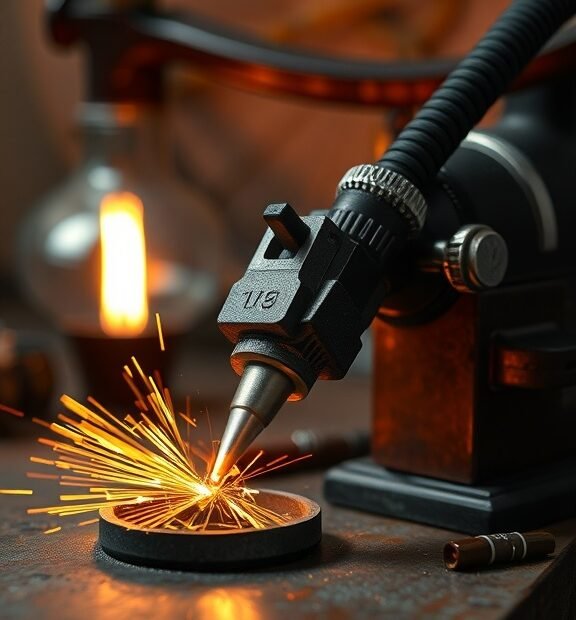
The Historical Development of Soldering Irons: When Was the Soldering Iron Invented?
The evolution of the soldering iron is a fascinating journey that traces back to ancient times. Understanding when the soldering iron was invented is crucial for grasping how this tool has impacted electronics, jewelry making, and metalwork over the centuries. The earliest forms of soldering can be seen as far back as 2000 BC, but what about the soldering iron specifically?
The first recording of soldering techniques arose in ancient Egypt. Artisans used heated metal to fuse other metals together, utilizing a primitive form of soldering that laid the groundwork for later developments. However, the soldering iron, as we know it, began to take shape in the Middle Ages. By the 12th century, craftsmen in Europe employed a tool resembling the modern soldering iron, typically made from copper. This period marked significant ingenuity in metalworking that would ultimately influence the design of soldering tools.
Fast forward to the 19th century, when technological advancements catalyzed the innovative design of soldering irons. The invention of the electric soldering iron occurred in the late 1800s, thanks to the growing use of electricity in various fields. In 1888, a German inventor named Albert Fassel received a patent for the first electric soldering iron. This device revolutionized the way soldering was performed, making it faster and more efficient than ever before.
Today, there are numerous types of soldering irons available, catering to various industries and applications. Here are some noteworthy developments in soldering iron technology:
- Non-electric Soldering Irons: Initially made from copper, these irons relied on an external heat source, such as a flame, to reach soldering temperatures.
- Electric Soldering Irons: Designed for efficiency, these irons use electric power to provide consistent and adjustable temperatures, enhancing precision in soldering tasks.
- Soldering Stations: Combining a soldering iron with a power supply, soldering stations allow for better control and features like temperature adjustment and soldering tips suited for different tasks.
- Pointed and Chisel Tips: Various tips enhance versatility, allowing you to perform different types of work more effectively.
As you can see, the soldering iron has a rich history dating back thousands of years. It has adapted to meet the needs of those who use it, growing in complexity and functionality. Today’s electric soldering irons provide greater control, which is especially important for delicate electronic components.
In the modern age, industries heavily rely on soldering irons for everything from electronics assembly to DIY crafts. Their roles have expanded significantly, showcasing how the tool has transformed from a basic heated device into an integral part of manufacturing and repair. It’s remarkable to think that the soldering iron you might use today has roots that extend back to the ingenuity of ancient civilizations.
For hobbyists and professionals alike, understanding when the soldering iron was invented can enrich one’s appreciation for this essential tool. The historical development reveals how engineers and artisans have continuously sought to improve soldering techniques, leading to today’s advanced soldering technology.
Furthermore, the importance of using the right soldering iron cannot be overstated. Whether you are soldering in electronics or crafting beautiful jewelry, using an appropriate iron ensures quality results. With so many varieties on the market, it pays to select a soldering iron that suits your specific needs.
Knowing the history of the soldering iron provides not just context but also insight into its continued relevance. The transition from simple tools to sophisticated electric models highlights the creativity and technical prowess that have driven advancements in this essential craft. So the next time you pick up a soldering iron, you can appreciate the centuries of innovation behind this unassuming yet indispensable tool.
Exploring Modern Innovations in Soldering Technology and Their Impacts
In the world of electronics, soldering plays a crucial role in creating reliable connections between various components. Over the years, soldering technology has seen remarkable innovations that have significantly transformed the way we approach electronic assembly and repairs. Understanding these modern advancements can illuminate their impact on industries ranging from consumer electronics to aerospace.
Advanced Soldering Techniques
Modern soldering technology has advanced beyond traditional methods, introducing several techniques that cater to the demands of contemporary production. These include:
- Surface Mount Technology (SMT): A breakthrough in soldering, SMT streamlines the assembly process by allowing components to be mounted directly onto the surface of printed circuit boards (PCBs). This method improves efficiency and reduces the overall size of devices.
- Reflow Soldering: In this method, solder paste is applied to the pads of PCBs, and components are placed on top before being heated in an oven. This process allows solder to flow smoothly, creating strong connections with minimal risk of cold solder joints.
- Wave Soldering: Ideal for through-hole components, this technique involves passing the PCB over a wave of molten solder. It provides robust joint reliability and is especially useful for large batch production.
Integration of Robotics
Robotics have carved a niche in the soldering landscape, enhancing precision and reducing human error. Automated soldering machines utilize advanced sensors and algorithms to perform consistent, high-quality soldering tasks. The integration of robotics offers several benefits:
- Increased Speed: Automated systems significantly speed up the production process, allowing for higher output rates essential in fast-paced manufacturing environments.
- Consistency and Precision: Robots ensure that every solder joint is created to the same high standard, reducing variability that can occur with manual soldering.
- Enhanced Safety: By minimizing human exposure to high temperatures and hazardous materials, robotic soldering helps maintain a safer work environment.
Environmentally Friendly Solutions
Modern soldering technologies are increasingly focused on environmentally conscious practices. This shift is driven by both corporate responsibility and regulatory requirements. Key innovations in this regard include:
- Lead-Free Solders: Traditional solder often contains lead, which poses environmental and health risks. Lead-free alternatives are now widely available and used across industries, offering safer solutions for both manufacturers and consumers.
- Efficient Waste Management: New techniques in soldering technology also aim for better recycling and disposal practices for solder materials, contributing to the reduction of electronic waste.
- Energy-Efficient Equipment: Modern soldering machines are designed to consume less energy, helping organizations reduce their carbon footprints while still achieving high-performance outcomes.
Impact on the Electronics Industry
The advancements in soldering technology have created a ripple effect throughout the electronics industry. These innovations have led to:
- Enhanced Product Lifespan: Improved soldering techniques create connections that are more durable, which contributes to longer-lasting electronic products.
- Miniaturization of Devices: As soldering methods become more sophisticated, manufacturers can design smaller, more compact devices without compromising functionality.
- Cost Reduction: Automated soldering and more efficient processes reduce labor costs and waste, leading to lower overall production expenses.
Future Directions in Soldering Technologies
The future of soldering technology continues to hold exciting potential. Emerging trends are likely to influence future advancements, including:
- Smart Soldering: The emergence of smart technologies and IoT devices is leading to the development of intelligent soldering equipment that can provide real-time data and feedback during the soldering process.
- 3D Printing: As 3D printing technology matures, integration with soldering processes may open new avenues for creating complex electronic designs and assemblies.
- Advanced Materials: Research into new solder materials, including those that offer better thermal and electrical conductivity, is set to further enhance soldering capabilities in various applications.
Modern innovations in soldering technology are not just enhancing production efficiency; they are also paving the way for more sustainable and reliable electronic components. As we continue to explore these advancements, the implications for the future of electronics manufacturing remain vast and exciting.
Conclusion
Understanding the journey of the soldering iron from its inception to modern advancements highlights its crucial role in various fields. The first soldering irons were developed in the early 19th century, specifically around the 1830s, when craftsmen began to utilize heated metal for joining delicate components. This innovation marked a pivotal point in the realms of electronics and jewelry making, setting the groundwork for future developments.
As technology has evolved, so too has the soldering iron itself. Today, we benefit from sophisticated devices such as temperature-controlled soldering irons and soldering stations that enhance precision and efficiency. These innovations not only cater to the needs of hobbyists and professionals alike but also improve the quality and reliability of electronic circuits. The integration of digital displays and ergonomic designs contributes to a more user-friendly experience, enabling you to tackle complex projects with confidence.
The journey of the soldering iron is a testament to the marriage of tradition and technology. While the fundamentals of soldering have remained largely the same since its early days, the tools have adapted to meet the demands of a rapidly advancing world. As we look to the future, we can anticipate even greater innovations that will further simplify the soldering process, making it more accessible for everyone. With a blend of history and modern advancements, the soldering iron continues to be an essential tool in both industry and craft, proving its value in a world that relies increasingly on intricate electronic connections.