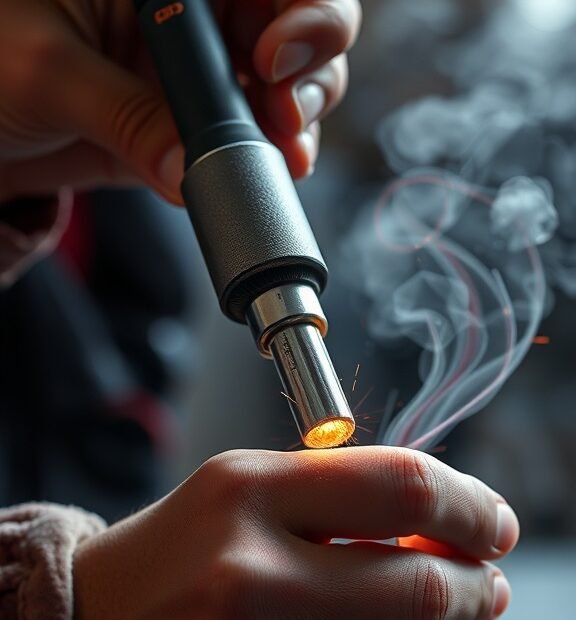
Key Features to Consider When Buying a Soldering Iron
When you’re stepping into the world of electronics or hobbies that require soldering, picking the right soldering iron can make your projects smoother and more enjoyable. Understanding what to look for when buying a soldering iron is crucial. Here are several key features to consider that will help you make an informed decision.
Wattage
The wattage of a soldering iron is one of the first things to consider. A higher wattage means that the iron heats up faster and can maintain its temperature better when you’re soldering. For most general electronic projects, a soldering iron with a wattage of 25 to 60 watts is ideal. If you plan to work with larger components or circuit boards, opting for a soldering iron that ranges between 60 to 80 watts may be beneficial.
Temperature Control
Having adjustable temperature control can significantly improve your soldering experience. Different types of solder and materials require different heat levels. If you can adjust the temperature, you’ll have better control over the soldering process, which can help prevent damage to sensitive components. Look for soldering irons that offer a range of temperatures from at least 200°C to 400°C (392°F to 752°F).
Tip Types
The tip of the soldering iron is essential for effective soldering. There are various types of tips available, and the right one depends on your specific needs. Here are some common tip types:
- Conical Tips: Good for precision work and small components.
- Chisel Tips: Versatile and great for larger solder joints.
- Bevel Tips: Ideal for thorough heat dispersion.
When choosing a soldering iron, ensure that it has interchangeable tips to accommodate various projects.
Build Quality
A quality soldering iron should feel durable and well-constructed. Look for models with solid housing that can withstand the heat and repetitive use. A good soldering iron will have a comfortable grip, making it easier to handle for extended periods, especially during intricate tasks. Check for features like a heat-resistant casing and a sturdy power cord.
Ease of Use
If you’re new to soldering, consider an iron that’s easy to use. Some irons come with features like automatic shut-off, which is beneficial for safety, especially if you might forget to turn it off. Others might have built-in stands or sponges for cleaning the tip. These little conveniences make a big difference in your soldering experience.
Portability
If you plan to take your soldering iron to different locations, portability becomes essential. Look for a lightweight model with a compact design. Some soldering kits even come with portable carrying cases, making it easier to keep everything organized while on the go.
Price and Warranty
Factor in your budget. Soldering irons can range from inexpensive models for beginners to professional-grade tools. While cheaper options might seem enticing, remember that investing a bit more in a higher-quality soldering iron can save you money in the long run by reducing the frequency of replacements. Additionally, consider the warranty. A good warranty indicates the manufacturer’s confidence in their product’s durability.
When looking to buy a soldering iron, it’s essential to keep these key features in mind. Whether you are a hobbyist working on small electronics or a professional tackling more demanding tasks, the right soldering iron can make all the difference. Knowing your specific needs and how you plan to use the soldering iron will guide you in making the best choice for your projects. Happy soldering!
Common Mistakes to Avoid When Selecting Your First Soldering Iron
Buying your first soldering iron can be daunting, especially with so many options available. To ensure you make the right choice, avoid these common mistakes that many beginners make.
Overlooking Temperature Control
One major mistake is not considering temperature control. A soldering iron that has fixed temperature settings can lead to poor soldering results. Ideally, you want to choose a soldering iron with adjustable temperature control. This feature allows you to set the heat to the required level for different solder types and materials, giving you much better control over your work.
Neglecting the Importance of Wattage
The wattage of a soldering iron significantly affects its performance. Beginners often opt for low-wattage models, assuming they are sufficient for all tasks. However, a soldering iron with a wattage of at least 30 watts is usually ideal for most tasks. Higher wattage ensures faster heat recovery, meaning you can work more efficiently without waiting for the soldering tip to heat back up after every joint.
Choosing the Wrong Tip Size
The size of the soldering iron tip matters more than you might think. A common mistake is selecting a tip that’s either too large or too small for the task at hand. For detailed work, a fine tip is essential to ensure precision. In contrast, larger tips are better suited for bigger components and broader areas. Opt for a soldering iron that offers interchangeable tips to suit various projects and requirements.
Ignoring Ergonomics
When selecting a soldering iron, comfort shouldn’t take a backseat. Many beginners choose models based only on appearance or brand, but the design and weight of the tool can impact your ability to work effectively. You should look for a soldering iron that feels comfortable in your hand and has a lightweight design. If you’re uncomfortable using the tool, you’ll likely struggle to maintain accuracy over extended periods.
Misunderstanding the Power Source
Soldering irons come in two main types: corded and cordless. Beginners often underestimate the importance of choosing the right power source. Corded irons offer constant power, making them ideal for longer projects. on the other hand, cordless versions provide greater flexibility, which can be useful for working in hard-to-reach places. Consider where you will be doing most of your soldering work and choose a model that fits your needs.
Focusing on Price over Quality
First-time buyers often make the mistake of solely focusing on price when selecting a soldering iron. While it’s natural to look for a budget-friendly option, opting for the cheapest model can lead to poor performance and issues down the line. Invest in a quality soldering iron from a reputable brand for better reliability and results. Remember, quality tools can save you time and hassle in the long run.
Neglecting Safety Features
Safety should always be a priority when buying a soldering iron. Many beginners overlook essential safety features that can protect them during their soldering projects. Look for models that come with features like a thermal shield, a stand for resting the iron, and an automatic shutoff function. These features help minimize the risk of accidents and ensure your soldering tasks are conducted as safely as possible.
Failing to Consider Additional Supplies
Often, first-time buyers focus only on the soldering iron itself, ignoring the necessary accessories. Having the right supplies can greatly enhance your soldering experience. Ensure you also purchase solder, a soldering iron stand, a sponge for cleaning the tip, and safety goggles. These items will not only improve your process but also keep you safe while you work.
Not Reading Reviews
One of the biggest mistakes is not doing any research before purchasing. Many beginners impulsively buy a soldering iron without checking reviews, only to be disappointed later. Spend time reading product reviews and customer feedback. This can help you identify which models perform well and which ones to avoid.
By avoiding these common mistakes, you can select the right soldering iron that will serve you well in your projects. Take the time to research, consider your specific needs, and you’ll be well on your way to becoming a successful soldering enthusiast.
Conclusion
When purchasing a soldering iron, understanding the key features can make all the difference in achieving successful results. You should consider the wattage, temperature control, and tip size to ensure the tool meets your specific needs. Higher wattage provides quicker heating, while adjustable temperature settings give you the flexibility to tackle various projects. The right tip size can also greatly impact your precision and ease of use.
Equally important is being aware of common mistakes that first-time buyers often make. Opting for the cheapest option may lead to poor performance and ultimately cost you more in the long run. Similarly, overlooking the importance of a comfortable grip may result in fatigue and imprecision during longer projects. Take the time to choose a soldering iron that feels right in your hand and suits your skill level.
By carefully evaluating these factors, you set yourself up for successful and enjoyable soldering experiences. Remember that investing in a quality soldering iron tailored to your needs can enhance your productivity and improve your workmanship. So, do your research, ask questions, and don’t hesitate to seek recommendations from experienced hobbyists or professionals in the field. This thoughtful approach will lead you to a soldering iron that not only complements your projects but also enhances your skills over time. Choosing the right tool is the first step in your journey toward mastering the art of soldering. Happy soldering!