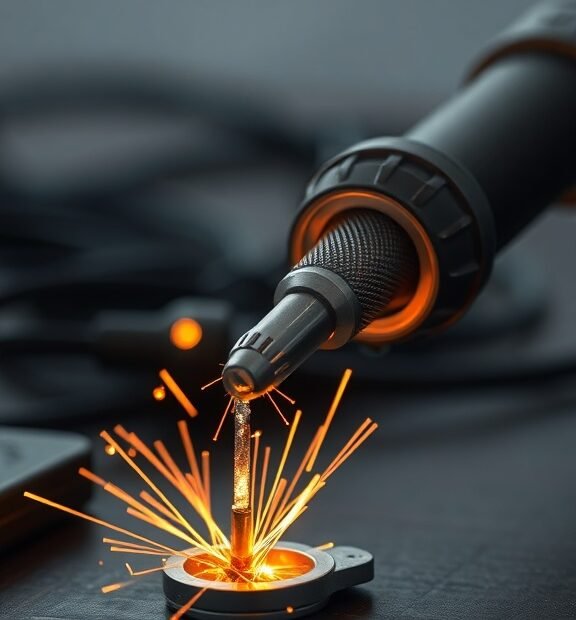
Choosing the Right Soldering Iron Tip for Your Project
When working on soldering projects, the tool you select can greatly influence the outcome. The flexibility of soldering irons allows for various tips, and each type serves a distinct purpose. Understanding what soldering iron tip to use is crucial for achieving the best results. Here’s a breakdown of the common types of soldering iron tips and when to use them.
Types of Soldering Iron Tips
There are several types of soldering iron tips available, each designed for specific tasks. The most common ones include:
- Chisel Tip: A versatile choice that has a flat, wide shape. Ideal for soldering large components and surfaces, allowing for efficient heat transfer.
- Fine Point Tip: This tip has a narrow, sharp point. It’s excellent for precision work, such as soldering small components on a circuit board.
- Conical Tip: Similar to the fine point but with a more rounded shape. Great for precise applications, providing a balance between fine and large work.
- Bevel Tip: This angled tip provides a larger contact area than a fine point but remains precise. It’s useful for drag soldering or soldering multiple pins at once.
- Knife Tip: With its flat, tapered design, this tip is ideal for soldering and desoldering across larger pads or traces, especially in surface-mount technology (SMT) projects.
Choosing the Right Tip for Your Project
When deciding what soldering iron tip to use, consider the specific requirements of your project:
- Project Scale: For larger assemblies or sheets, a chisel tip is usually best due to its larger contact area. If you’re working on delicate electronics, a fine point tip will help you work without damaging components.
- Component Size: Assess the size of the components you’ll be working with. Smaller components like resistors and capacitors often benefit from fine point tips, while larger connectors might require a wider tip for optimal soldering.
- Soldering Technique: If you’re doing drag soldering, a bevel tip can simplify the process by letting you solder multiple pins smoothly. A knife tip can be invaluable when working with SMT due to its ability to reach into tight spaces.
- Material Type: Certain materials require specific tips for successful soldering. For example, using a chisel tip on thicker wires can distribute heat evenly and securely.
Maintaining Your Soldering Iron Tips
Choosing the right soldering tip is only part of your success. Proper maintenance extends tip life and ensures effective soldering. Here are some tips for maintaining your soldering tips:
- Clean Regularly: Always clean your tip after use, preferably with a wet sponge or brass sponge. This removes solder residue and prevents oxidation.
- Tinning: Coat your soldering iron tip with a thin layer of solder before and after each use. This helps maintain heat transfer and prevents corrosion.
- Avoid Excessive Heat: Using too much heat can damage your tip quickly. Use only the temperature necessary for your task to prolong its lifespan.
on Tips Selection
Understanding what soldering iron tip to use is essential for ensuring your projects are successful. Whether working on delicate circuit boards or larger electrical connections, the right tip can make all the difference. By considering the size and type of components you’re handling, as well as maintaining your tips well, you can improve your soldering skills and efficiency. Remember that investing time into selecting and caring for your soldering tips will pay off in the quality of your work!
Tips and Techniques for Maintaining Soldering Iron Tips
When working with a soldering iron, the tip is the most crucial part for achieving precision and speed. Maintaining the soldering iron tip not only enhances its performance but also prolongs its lifespan. Here are some effective tips and techniques to keep your soldering iron tips in optimal condition.
Regular Cleaning
Keeping the soldering iron tip clean is essential to ensure proper heat transfer. Residue build-up can impair the functionality of the tip. Follow these steps:
- Use a damp sponge: Always keep a damp sponge nearby. Wipe the tip of the iron regularly to remove solder residues.
- Brass Wool: For heavy oxidation, use brass wool. This abrasive material is gentler on the tip than steel wool, ensuring it retains its shape.
- Tip Tinner: Consider using a tip tinner, a special compound that helps rejuvenate the tip surface, making it easier to solder.
Proper Storage
When you’re not using your soldering iron, proper storage is vital. The way you store your iron can affect the condition of the tip:
- Temperature considerations: Never leave it on or stored near heat sources, which can lead to tip degradation.
- Use a stand: Invest in a quality soldering iron stand. This protects the tip and keeps it from contacting hard surfaces that could damage it.
- Keep it covered: If you have a protective cap for your soldering iron, use it. A cover can help prevent oxidation when not in use.
Tip Replacement
Even with proper care, soldering iron tips will wear out over time. Knowing when to replace them is crucial:
- Signs of wear: Look for tip discoloration, pitting, or a rough surface. These indicate that it’s time for a new tip.
- Compatibility: Ensure that the replacement tip is compatible with your soldering iron model for optimal performance.
Temperature Control
Using the correct temperature settings can significantly affect the lifespan of your soldering iron tip:
- Avoid excessive heat: Using too high a temperature can cause rapid oxidation of the tip. Aim for just above the melting point of the solder you are using.
- Adjust for task: Different soldering tasks may require different temperatures. Adjust your iron accordingly to avoid burning out the tip.
Solder Choice
The type of solder you use also impacts your soldering iron tip. Here’s what to consider:
- Lead vs. Lead-free: Lead solder typically provides better wetting properties and can be easier on your tips. Lead-free solder, while more eco-friendly, can lead to increased tip wear.
- Use flux: Proper flux can improve the flow of solder and reduce residue build-up on your tip, enhancing longevity.
Restoration Techniques
If your soldering iron tip has become oxidized or damaged, restoration can be effective:
- Desoldering braid: Use desoldering braid to remove old solder from the tip, making it easier to clean and tip-tinner better.
- Filing if necessary: In cases of severe tip wear, very fine filing can help restore a smooth surface, but take care not to file too aggressively.
By following these tips and techniques, you can ensure that your soldering iron tips remain functional and effective for longer periods. Not only will this enhance your soldering experience, but it will also save you money by prolonging the life of your tools. Taking care of your soldering iron tips allows for more precise and effective soldering, making your projects that much more successful.
Conclusion
Selecting the right soldering iron tip is crucial to the success of your project. It’s not just about the soldering iron itself; the choice of tip can greatly influence the effectiveness and precision of your work. Each project may require a different tip shape or size, whether you’re dealing with delicate electronics or larger components. By understanding the benefits of various soldering iron tips, you can ensure optimal heat transfer and enhance your soldering efficiency.
Equally important are the maintenance techniques for your soldering iron tips. Keeping them clean and well-cared for will extend their lifespan and maintain performance. Regularly tinning your tips, using the right cleaning tools, and storing them properly can make a significant difference. Taking a few extra moments to care for your tips not only saves money in the long run but also contributes to achieving high-quality solder joints.
Remember, the success of your soldering tasks rests on both the tip you choose and the care you provide. Armed with this knowledge, you’re now ready to tackle various soldering projects with confidence. Make informed decisions on your tools, practice good maintenance habits, and you’ll find that your soldering experience becomes smoother and more enjoyable. With attention to detail and the right approach, you can create connections that last and ensure your projects turn out just as you envision.