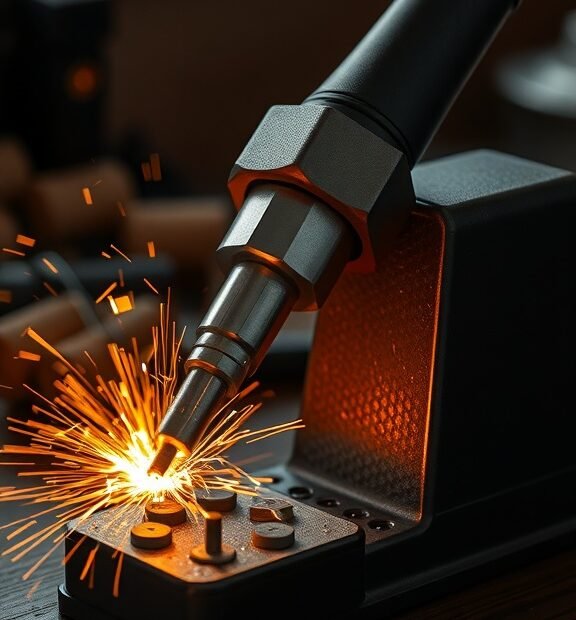
The Function of a Soldering Iron in Electronics and Crafting
Have you ever wondered how electronic devices are put together? The secret often lies in a handy tool known as the soldering iron. Understanding the function of a soldering iron can open up a whole new world of possibilities in both electronics and crafting. This essential tool allows hobbyists and professionals alike to work more efficiently and effectively.
A soldering iron is a tool used to heat and melt solder, which is a metal alloy that binds electronic components together. But why is this tool so vital? Here are some key functions of a soldering iron:
- Joining Components: The primary function of a soldering iron is to create a strong, conductive bond between different electronic parts, such as resistors, capacitors, and microchips. When you heat the solder with the iron, it liquefies and flows into the connection, forming a reliable bond once it cools.
- Repairing Circuits: If you encounter a broken circuit or need to replace a part, a soldering iron is essential. It allows you to remove the damaged component and securely attach a new one, effectively breathing new life into your devices.
- Creating Custom Projects: For crafters and makers, a soldering iron offers the ability to design and create custom electronics. Whether you’re building a simple LED circuit or an intricate robotics project, mastering the use of this tool is crucial.
- Applying Components: Soldering isn’t just about joining wires. You can use a soldering iron to apply components efficiently. With the right technique, you can solder surface-mounted devices, making it easier to work on modern electronics.
To use a soldering iron effectively, you need to understand how it works. Here’s a simple breakdown:
- Heat Generation: The tip of the soldering iron heats to a high temperature, usually between 350°F to 400°F (about 175°C to 200°C). The heat generated is vital for melting the solder.
- Tip Types: Different soldering iron tips serve various purposes. For instance, a fine tip is great for detailed work, while a broader tip is better for larger connections.
- Solder Types: Various types of solder exist, including lead-free and lead-based. Lead-free solder is often preferred for environmental reasons, although it can be slightly trickier to work with.
When using a soldering iron, safety should always come first. Here are some safety tips to keep in mind:
- Wear Safety Glasses: Protect your eyes from accidental splashes of molten solder.
- Work in a Well-Ventilated Area: Ensure proper ventilation to avoid inhaling fumes from the solder, especially if you are using lead-based solder.
- Use a Stand: Always place your soldering iron in a secure stand when not in use to prevent accidental burns.
With practice, using a soldering iron becomes a skill you can refine. Start with easy projects to build your confidence. As you gain experience, your ability to solder effectively will improve. This can allow you to tackle more complex electronics projects and repairs.
Additionally, exploring different soldering techniques can expand your crafting abilities. For instance, you can learn techniques like drag soldering or how to use heat sinks to protect sensitive components. These tips can come in handy when you’re completing intricate tasks.
In a world filled with technology and DIY projects, knowing the function of a soldering iron can empower you. Whether you’re a budding electronics enthusiast or a crafting expert, mastering this tool can make your projects more successful and enjoyable. As you become more comfortable with soldering, you’ll find new ways to express your creativity and technical skills.
Ultimately, a soldering iron is more than just a tool; it is a gateway to innovation in electronics and crafting. The more you practice, the more proficient you’ll become, opening up endless possibilities for your creations.
Essential Safety Tips for Using a Soldering Iron Effectively
Using a soldering iron can be an integral part of many DIY projects, especially for electronics enthusiasts. However, safety should always come first. Here are some essential safety tips to ensure you use your soldering iron effectively and safely.
Wear Proper Safety Gear
Before you start soldering, make sure to equip yourself with essential safety gear. This includes:
- Safety Glasses: Protect your eyes from solder splashes and fumes.
- Heat-Resistant Gloves: These will shield your hands from burns while you manage hot components.
- Dust Mask: Use a mask if you are sensitive to fumes or working in an enclosed area.
Understand Workspace Setup
Your workspace plays a crucial role in your safety. Here are some tips for creating a safe working environment:
- Clean Workspace: Ensure your work area is tidy. Remove any unnecessary items that could catch fire or cause accidents.
- Use a Non-Flammable Surface: Work on surfaces that won’t easily ignite, such as a heat-resistant mat.
- Good Lighting: Ensure your workspace is well-lit to avoid accidents due to poor visibility.
Handle the Soldering Iron Properly
Using the soldering iron correctly is key to both safety and effective soldering. Follow these guidelines:
- Grip the Handle: Always hold the soldering iron by the handle and avoid touching the hot tip.
- Keep the Cord Unobstructed: Make sure the power cord is not in a position where it could be accidentally pulled or tripped over.
- Place Down Carefully: When not in use, place the soldering iron in its stand to avoid burns or accidents.
Ventilation is Key
Soldering can release harmful fumes. Ensure you are working in a well-ventilated area. If you are indoors, open windows or use a fan to circulate air. Consider using a fume extractor if you plan to solder often.
Choose the Right Materials
Using the correct type of solder and flux is important for safety and effectiveness:
- Lead-Free Solder: Whenever possible, opt for lead-free solder. This is safer for you and reduces health risks.
- Proper Flux: Use the appropriate flux for the materials you are soldering to avoid hazardous reactions.
Manage Your Time Wisely
When soldering circuits, it’s crucial to manage the time you spend applying heat. Excessive heat can damage components. Here’s how to avoid this:
- Solder Quickly: Keep your soldering time to a minimum. Aim to complete the solder joint in under a few seconds.
- Work in Small Increments: If you are unsure, solder in small sections, allowing time for cooling.
Practice Safe Disconnection
When you finish your task, it’s important to disconnect safely:
- Unplug the Iron: Always unplug the soldering iron when you are done to prevent accidental burns or fires.
- Let It Cool: Allow the soldering iron to cool completely before storage.
First Aid Knowledge
Despite taking precautions, accidents can happen. It’s wise to know what to do if you get burned or exposed to harmful fumes:
- Burn Treatment: For minor burns, run cool water over the area. Do not apply ice directly.
- Fume Exposure: If you begin to feel unwell from fumes, step outside for fresh air immediately.
By following these safety tips, you can enjoy your soldering projects while minimizing risks. Remember that taking care of yourself and your workspace creates a safer, more effective soldering experience!
Conclusion
Understanding the function of a soldering iron is crucial whether you are diving into electronics or engaging in crafting projects. A soldering iron acts as a powerful tool, allowing you to create strong and permanent connections between electrical components or materials. It melts solder, which, when cooled, forms a solid bond, ensuring your connections are secure and reliable. This process is foundational in building electronics, repairing circuits, and even crafting intricate designs.
However, it’s important to remember that safety is paramount when using a soldering iron. Following essential safety tips can prevent accidents and injuries. Always work in a well-ventilated area to avoid inhaling harmful fumes. Use protective gear like safety glasses to shield your eyes from any potential splashes of hot solder. Furthermore, keep your workspace clear of clutter to minimize the risk of accidentally burning yourself or causing damage to your surroundings.
By combining an understanding of the soldering iron’s functions with strict adherence to safety practices, you not only enhance your skills but also ensure a safer working environment. Mastering this tool opens up a world of creativity, enabling you to build, repair, and innovate with confidence. As you practice and grow more comfortable with soldering, you will discover endless possibilities where your creativity can thrive. Whether you are a hobbyist or a budding professional, the soldering iron is an indispensable ally in your toolkit.