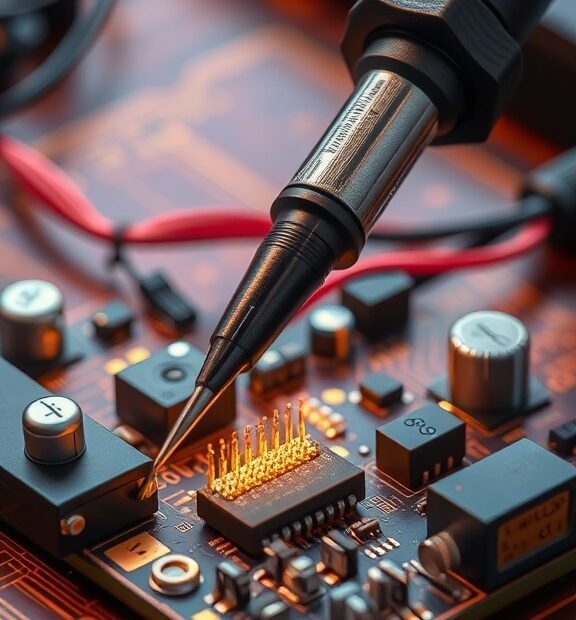
Choosing the Right Soldering Iron for Electronics Projects
When it comes to tackling electronics projects, one of the most essential tools you’ll need is a soldering iron. The right soldering iron can make your work more efficient and enjoyable. But with so many options available, how do you find the best soldering iron for your needs? Here are some tips and recommendations to help you make the right choice.
Understanding Your Needs
The first step in choosing a soldering iron is understanding your specific needs. Consider the types of projects you will be working on. Are you a beginner, or do you have quite a bit of experience? Knowing your skill level will guide your decision. Here are a few questions to help you pinpoint what you need:
- What type of electronics will you be soldering? (e.g., circuit boards, wires, or components)
- How often will you use the soldering iron?
- Are you looking for portability, or will it be a desktop tool?
Types of Soldering Irons
There are several types of soldering irons available, each suited for different applications:
Soldering Iron Kits & Accessories
- Basic Soldering Irons: These are affordable and great for beginners. They typically have fixed temperature settings and are easy to use.
- Temperature-Controlled Soldering Irons: Having adjustable temperature controls allows for more versatility, making them suitable for both beginners and advanced users.
- Digital Soldering Irons: These often come with a digital readout of the temperature, allowing you to set and monitor the heat precisely. They are ideal for professional tasks but come at a higher price.
- Butane Soldering Irons: If portability is crucial, consider a butane soldering iron. They are cordless and can be used anywhere, making them great for fieldwork.
Key Features to Look For
When selecting a soldering iron, pay attention to these features:
- Wattage: A soldering iron typically ranges from 20 to 60 watts. Higher wattage means faster heating, which is particularly helpful if you work with tougher materials.
- Tip Size and Shape: Different tips are designed for various applications. A fine tip is great for precision work, while broader tips are better for larger connections.
- Temperature Range: A good soldering iron will have a temperature range that allows you to select the right heat for the job at hand, especially when working with sensitive electronic components.
- Ergonomics: Comfort plays an important role since soldering can take time. Look for an iron with a comfortable grip to help reduce fatigue.
Top Recommendations
Here are a few popular soldering irons that stand out in the electronics community:
Soldering Iron Kits & Accessories
- Weller WLC100: This is an adjustable wattage soldering station that ranges from 5 to 40 watts. It’s durable and provides a steady heat, making it perfect for beginners and experienced users alike.
- Hakko FX888D: Known for its precision and performance, this digital soldering station offers a range of temperature settings and comes with a variety of tips, ideal for detailed soldering tasks.
- Kotain Butane Soldering Iron: If you need a portable option, this butane soldering iron is a favorite. It’s easy to refill and heats up quickly, making it perfect for on-the-go projects.
- X-Tronic Model 3020-XR: This soldering station is ideal for advanced users, providing a digital display, multiple attachments, and a wide temperature range.
Safety Tips
Remember that safety should always be a priority when using a soldering iron. Here are some tips to keep in mind:
- Always use a soldering iron stand to prevent accidental burns or fires.
- Work in a well-ventilated area to avoid inhaling solder fumes.
- Wear safety glasses to protect your eyes from any errant solder or debris.
Choosing the right soldering iron for electronics projects can greatly enhance your experience and results. By considering your specific needs, understanding the available types and key features, and following safety precautions, you can make an informed choice. Happy soldering!
Essential Tips for Soldering Techniques in Electronics
Soldering is a fundamental skill in electronics, allowing you to create reliable connections between components. Mastering soldering techniques can make your projects more efficient and enjoyable. Here are some essential tips to enhance your soldering skills.
Soldering Iron Kits & Accessories
Choosing the Right Soldering Iron
One of the first steps to successful soldering is selecting the right soldering iron. It’s vital to consider the wattage, temperature control, and tip size. Here are factors to keep in mind:
- Wattage: A soldering iron between 20 to 60 watts is ideal for electronics. Higher wattage can lead to overheating, while lower wattage may struggle to solder effectively.
- Temperature Control: Look for a soldering iron with adjustable temperature settings. A temperature range of 350°F to 400°F (180°C to 200°C) is usually suitable for most electronics.
- Tip Size: Choose a fine tip for precision tasks and a broader tip for larger connections. Different tasks may require different tips, so having a few on hand can be beneficial.
Preparing the Workspace
A clean and organized workspace is crucial for effective soldering. Make sure you have the following setup:
Soldering Iron Kits & Accessories
- Good Lighting: Proper lighting ensures you can see your work clearly, reducing mistakes.
- Anti-Static Measures: An anti-static mat can help protect sensitive components from electrostatic discharge.
- Tools Within Reach: Keep all necessary tools, like wire cutters, tweezers, and flux, on hand for easy access.
Understanding Solder Types
Choosing the right solder is just as important as selecting the right soldering iron. Here are some common types of solder you may encounter:
- Lead-Based Solder: This is common in many projects due to its ease of use and effectiveness. However, safety precautions are necessary because of its toxic properties.
- Lead-Free Solder: A more environmentally-friendly choice, lead-free solder is becoming standard. It requires a higher temperature and can be more challenging to work with.
- Rosin-Core Solder: This type contains flux, which helps prevent oxidation during the soldering process. It’s widely used for electronics.
Mastering the Soldering Technique
Once you have your tools and workspace ready, it’s time to focus on technique. Here’s how to solder effectively:
Soldering Iron Kits & Accessories
- Clean the Components: Before soldering, make sure the surfaces of the components are clean. You can use isopropyl alcohol with a lint-free cloth to remove any dirt or grease.
- Heat the Connection: Place the soldering iron tip directly onto the joint you are soldering. Allow it to heat the components before adding solder. This ensures a good connection.
- Add the Solder: Once the joint is heated, feed solder into the joint, not onto the iron. Remove the solder and iron, and let the joint cool naturally.
- Avoid Cold Joints: A cold joint can look dull or grainy. It happens if the connection isn’t properly heated. Always ensure both components are heated before applying solder.
Post-Soldering Practices
After soldering, there are a few steps you should not overlook. Following these practices can ensure that your connections are reliable and safe:
- Inspect Your Joints: Check if the solder joint is shiny and smooth. This indicates a good connection.
- Clean Up: Remove any excess flux using a brush and cleaning solution. This will prevent corrosion and improve the longevity of the connection.
- Test Connections: If possible, use a multimeter to check for continuity in your soldered joints to ensure they are functioning correctly.
Soldering is an indispensable skill in electronics, and with these essential tips, you can enhance your ability while ensuring high-quality connections. Remember, practice makes perfect! The more you solder, the better you will become. Happy soldering!
Conclusion
Finding the right soldering iron for your electronics projects is a critical step towards achieving successful outcomes. It isn’t just about picking any tool; it’s about understanding your specific needs and the nature of your work. Whether you’re a beginner or an experienced hobbyist, selecting a soldering iron that fits your projects can make a significant difference in performance and ease of use.
Soldering Iron Kits & Accessories
Additionally, mastering essential soldering techniques can elevate your skill set. Techniques such as proper tip maintenance, temperature control, and effective solder application are fundamental to creating strong and reliable connections in your electronic components. By practicing these techniques, you’ll not only improve the quality of your work but also become more confident in tackling increasingly complex projects.
Investing in a quality soldering iron, along with honing your skills, paves the way for successful creations and repairs. Remember that practice makes perfect, and over time, you’ll develop a rhythm and efficiency that enhances your overall experience. Engaging in projects with the right tools and techniques allows you to explore new possibilities in the world of electronics.
Soldering Iron Kits & Accessories
Take your time in selecting the right soldering iron and commit to learning the best practices in soldering techniques. With the right approach, you can enjoy your journey into electronics and create impressive results that reflect your hard work and dedication. Empower yourself with the knowledge and tools necessary to continue growing in this exciting field. Happy soldering!