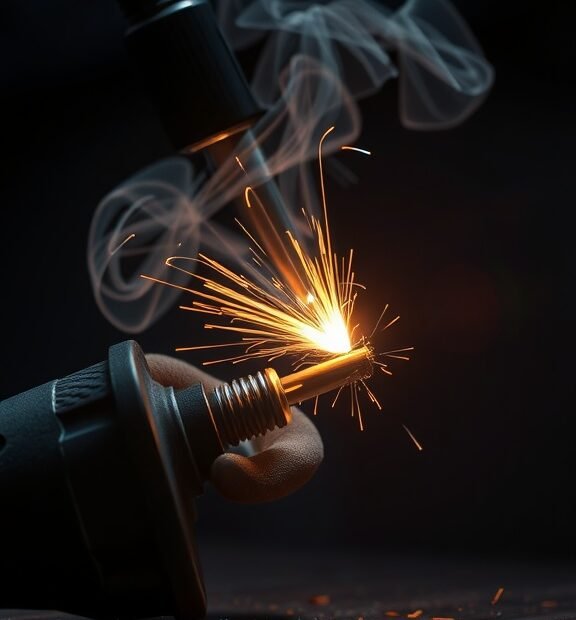
Understanding What It Means to Tin a Soldering Iron: Importance and Techniques
Tinning a soldering iron is a crucial step in soldering that ensures a smooth and effective connection when working on electronic projects. To tin your soldering iron means to coat the tip with a layer of solder. This process helps enhance heat transfer and protects the iron tip from oxidation, which can drastically affect its performance. Understanding how to tin your soldering iron properly will contribute to better solder joints and longer tool life.
When you tin your soldering iron, you essentially create a barrier that prevents the iron from corroding. This is vital because an unprotected tip can oxidize, forming a layer of unwanted material that hinders the heat transfer essential for soldering. Therefore, using a tinned soldering iron is not just a good practice but a requirement for effective and efficient soldering.
To tin the tip of your soldering iron, follow these steps:
- Clean the Iron Tip: First, ensure the tip of your soldering iron is clean. Use a wet sponge or brass sponge to wipe away any debris or old solder. A clean tip will help the solder adhere better.
- Heat the Iron: Turn on your soldering iron and let it reach its operating temperature. A hot iron is crucial for effective tinning.
- Apply Solder: Once the tip is hot, feed solder directly onto the tip. You should see the solder melt and coat the tip evenly. This is the essence of tinning.
- Spread the Solder: Use the soldering iron to spread the solder, ensuring an even covering. You want the tip to be shiny and smooth.
- Wipe Excess Solder: After coating the tip, wipe off any excess solder on your sponge. A thin, even coating is ideal.
- Store Properly: When not in use, store the soldering iron with a tinned tip. This practice helps protect the tip from oxidation when it’s left idle.
Regularly tinning your soldering iron will prolong its life and maintain its quality. For beginners, mastering this simple technique ensures that your soldering connections are strong and reliable. Not only does it help you create better joints, but it also minimizes the risks of your soldering projects failing due to an improperly maintained tool.
The importance of tinning cannot be overstated. Here are some benefits of ensuring your soldering iron is tinned:
- Improved Heat Transfer: A tinned tip conducts heat more efficiently, helping solder to melt quickly and bond with the components you are working with.
- Reduced Oxidation: Tinning helps prevent oxidation on the iron’s surface, making it easier to maintain a clean tip over time.
- Better Soldering Joints: A well-tinned iron creates stronger and more reliable solder joints, which is essential in electronic projects.
- Increased Lifespan of the Iron: Regular tinning reduces wear and tear on the soldering iron, extending its operational life.
- Enhanced Work Efficiency: A properly tinned soldering iron can help you work faster and more effectively, reducing the time spent fixing bad connections.
Understanding what it means to tin a soldering iron is essential for anyone involved in electronics. Whether you’re a hobbyist or a professional, mastering this technique will pave the way for better soldering practices. Taking just a few moments to tin your soldering iron before starting your project can make a significant difference in the quality of your work.
As you become more experienced, you’ll find that tinning is just one of many techniques that can enhance your soldering skills. With practice, you’ll not only improve the quality of your connections but also gain confidence in your abilities as a soldering artist!
Common Mistakes When Tinning a Soldering Iron and How to Avoid Them
Tinning a soldering iron is an essential skill for anyone who works with electronics, but even seasoned users can make mistakes during the process. Understanding what to do—and what not to do—can make all the difference in the quality and longevity of your soldering iron. Here are the common mistakes that people often make when tinning their soldering iron and how you can avoid them for better results.
Skipping the Cleaning Step
One of the most frequent errors is neglecting to clean the soldering tip before applying solder. A dirty soldering tip can lead to poor adhesion, making it difficult for solder to flow properly. Always take a moment to clean the tip with a damp sponge or a brass tip cleaner. This helps remove oxidation and other contaminants, ensuring a smooth and effective tinning process.
Using the Wrong Type of Solder
Using an inappropriate type of solder is another common issue. Not all solder is created equal. For electronic work, use rosin-core solder that contains flux to support solder flow. Avoid using lead-free solder for basic projects unless you’re familiar with its properties, as it can be more challenging to work with. Additionally, check the diameter of the solder; thinner solder may be easier to work with for fine electronics.
Insufficient Heat Time
Another mistake is not allowing the soldering iron to heat up sufficiently before tinning. A tip that isn’t hot enough will not accept solder properly. Ensure that your iron reaches the optimal temperature—typically around 350°C or 662°F—before you start. A good practice is to let it heat for a few minutes before proceeding with tinning.
Applying Too Much Pressure
When you’re trying to tin your soldering iron, applying excessive pressure can damage the tip. This often leads to wearing out the tip prematurely, resulting in a less effective tool. Instead, lightly touch the solder to the heated tip and the solder should melt and coat the surface without needing to press down hard.
Overloading the Tip with Solder
Many beginners tend to overload the tip with solder, believing that more solder will ensure better conductivity. This is not the case. Overloading can lead to solder balls forming, which may hinder the soldering process. Aim for a thin, even coating on the tip—just enough to make it shiny, as this indicates it is tinned correctly. You can always add more solder during your actual soldering tasks if needed.
Neglecting to Re-tin Regularly
Some people think that once they’ve tinned their soldering iron, it doesn’t need more attention. This is quite the opposite! Regularly re-tinning the tip during long soldering sessions keeps it clean and effective. Make it a habit to tin your tip after several uses, especially if you notice that it appears dull or less effective.
Using Acid-Based Flux
Not all flux is suitable for use with soldering irons. Acid-based flux is corrosive and can destroy the tip over time. Always opt for rosin or water-soluble flux, as these are designed to work well with electronic components and will protect the integrity of your soldering iron’s tip.
Ignoring Tip Temperature Management
- High Settings: Using excessively high temperatures can lead to overheating and degradation of the tip.
- Inconsistent Heat: Rapid temperature changes can cause stress to the tip, leading to premature damage.
Managing the temperature intricately ensures that your soldering iron tip remains in optimal condition through various projects.
Failing to Store Properly
How you store your soldering iron can affect its longevity. Never leave the iron on a work surface unattended. Use a base or a stand when not in use and allow the tip to cool down properly. A protective cover can also keep it safe from impurities and temperature fluctuations.
By recognizing these common pitfalls and taking proactive steps to avoid them, you’ll have a smooth and effective experience while tinning your soldering iron. Remember, the goal is to maintain a well-functioning tool that enhances your soldering projects.
Conclusion
Tinning a soldering iron is a fundamental skill that underpins the success of many soldering projects. By understanding not only what it means to tin a soldering iron but also the importance of proper technique, you can significantly enhance the quality of your work. Tinning ensures that the tip of your soldering iron maintains heat and prevents oxidation, which in turn leads to cleaner and more reliable solder joints.
It’s vital to be mindful of common mistakes that can arise during this process, such as using too much solder or neglecting to clean the tip adequately. These pitfalls can not only affect the performance of your soldering iron but also lead to frustration in your projects. With careful attention to detail and a commitment to practicing the right techniques, you can improve your soldering outcomes consistently.
Remember, the goal of tinning is to make your soldering tasks easier and more effective. The benefits are twofold: you protect your equipment and improve your soldering quality. As you continue to practice, you’ll develop a sense of confidence in your skills. Whether you’re a beginner or a seasoned technician, refining your tinning technique will always serve as an essential part of your soldering arsenal. Stay proactive, keep learning, and your projects will benefit greatly from this crucial practice. Happy soldering!