Signs Indicating a Bad Soldering Iron Tip and How to Diagnose Them
Soldering is an essential skill for electronics hobbyists and professionals alike. A good soldering iron tip is crucial for achieving neat and strong solder joints. Over time, the tip can degrade, leading to poor soldering quality. Knowing how to tell if your soldering iron tip is bad can save you both time and frustration. Here are some signs to look for, along with helpful diagnosis tips.
Visual Signs of a Bad Soldering Iron Tip
One of the easiest ways to assess the condition of your soldering iron tip is by visually inspecting it. Pay attention to the following characteristics:
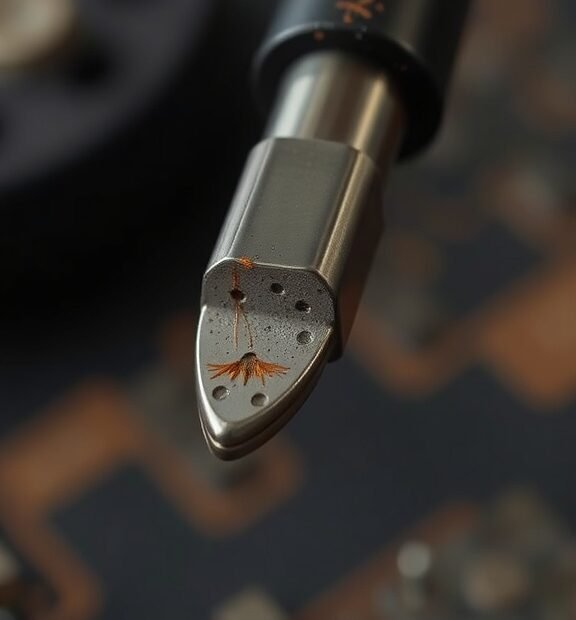
- Oxidation: If you notice a dull, grey, or white coating on the tip, oxidation is likely present. This oxidation can prevent effective heat transfer, making soldering difficult.
- Worn or Pitted Surface: A healthy soldering tip should have a smooth surface. Look for any pits or worn areas that may indicate wear and tear.
- Corrosion: If the tip appears to have rust or corrosion, it’s a clear sign that it needs replacement. Corroded tips cannot conduct heat properly, leading to problems while soldering.
- Shape Deformation: The tip should maintain its shape. If it has become rounded off or changed shape, its performance will suffer.
Performance Indicators
Watching how your soldering iron performs when you use it is another way to check the tip’s condition. Be mindful of the following:
- Heat Retention: A poor tip may struggle to maintain the necessary temperature for effective soldering. If it cools too rapidly after contact with the solder, this is a warning sign.
- Transfer Efficiency: If the solder does not melt smoothly or flows poorly onto the joint, the tip may be bad. Properly functioning tips transfer heat efficiently, allowing for excellent solder flow.
- Solder Build-Up: If you find solder consistently builds up on the tip instead of melting away, it suggests that the tip may not be properly tinned or is damaged.
Temperature Issues
Temperature irregularity can also signal a bad soldering iron tip. Here’s what to watch out for:
- Slow Heating: If it takes an unusually long time for the tip to heat up, it’s a sign that the tip may not be functioning correctly.
- Inconsistent Temperature: A reading that fluctuates wildly can make it hard to maintain a consistent soldering quality. Such inconsistency often stems from a failing tip.
Maintenance Tips
Proper maintenance can extend the life of your soldering iron tip. Here are some steps you should consider:
- Tin the Tip: Always tin the tip after use to protect it from oxidation and corrosion. This simple step significantly enhances longevity.
- Clean Regularly: Use a damp sponge or a brass cleaning pad to keep the tip clean while working. Regular cleaning prevents residue buildup that can affect performance.
- Store Properly: Store your soldering iron in a safe place to avoid damage. If possible, cover it to maintain its condition.
When to Replace the Tip
Recognizing when to replace your soldering iron tip is essential for maintaining a good workflow. If you observe signs of extreme wear, oxidation, or persistent performance issues that cleaning won’t fix, replacement is likely the best option. Quality tips can enhance your soldering experience and lead to a more enjoyable process.
Understanding how to tell if your soldering iron tip is bad not only saves time but also improves the quality of your work. Being aware of the signs and taking action immediately can lead to better solder joints and a more efficient soldering process. Keep these tips in mind, and you’ll ensure that your soldering projects stand the test of time.
Tips for Maintaining Your Soldering Iron to Extend Its Lifespan
Your soldering iron is a vital tool in your tasks, whether you’re assembling electronics or creating delicate jewelry. But like any tool, it needs care to perform at its best. Regular maintenance can help extend the lifespan of your soldering iron and ensure it functions efficiently. Here are some tips to keep your soldering iron in great shape.
Keep the Tip Clean
A clean soldering iron tip is crucial for optimal performance. Oxidation can build up on the tip, preventing effective heat transfer. Here’s how you can keep the tip clean:
- Sponge Tip Cleaner: Use a damp sponge to wipe the tip when the iron is hot. This will remove any excess solder and oxidation.
- Tip Tinner: For tougher oxidation, you can use a tip tinner. This is a paste that helps restore the copper tip’s plating.
- Brass Wipes: Some people prefer brass wool. It’s effective but be careful not to scratch the tip.
Always Tin the Tip
Tinning the tip is the process of applying a thin layer of solder to it. This protects the iron from oxidation. You should always tin the tip after cleaning and before storing it. Here’s how:
- Heat the iron until it’s hot.
- Apply a small amount of solder to the tip.
- Spread the solder evenly across the surface.
This simple step can significantly increase the life of your soldering iron.
Avoid Excessive Temperature
Using a soldering iron at a temperature that’s too high can damage the tip and lead to premature failure. Here are some recommendations:
- Check the Temperature: Most soldering jobs require a temperature between 350°C and 400°C. Adjust your iron accordingly.
- Temperature Control: Consider using a soldering iron with adjustable temperature settings for better control.
Caring for the tip by avoiding excessive heat will prolong its usability.
Store Properly
How you store your soldering iron also matters. Proper storage protects the tip from damage and oxidation. Follow these guidelines:
- Resting Stand: Always use a soldering iron stand. This prevents the tip from touching surfaces that may burn.
- Tip Cover: If available, use a tip cover to protect the tip from dust and oxidation when not in use.
Inspect Regularly
Regular inspection of your soldering iron helps catch problems early. Check for:
- Wear and Tear: Look for signs of wear on the tip, such as discoloration or unevenness.
- Wiring Damage: Check the cord and plug for cracks or frays.
Taking these steps can prevent larger issues down the road.
Use Appropriate Techniques
Using the right soldering techniques can also prolong your soldering iron’s life. Here are some tips:
- Hold Correctly: Always hold the soldering iron by the handle, avoiding contact with the hot metal part.
- Don’t Force Solder: Let the solder flow naturally; forcing it can create unnecessary stress on the tip.
Avoid Contamination
Be cautious about what comes into contact with your soldering iron. Oils, dust, and moisture can cause issues. Here are some things you can do:
- Clean Workspace: Keep your work area clean to avoid debris from contaminating the tip.
- Avoid Touching Tip: Don’t touch the hot tip with your fingers or materials that can leave residues.
By following these simple maintenance tips, you can significantly extend the lifespan of your soldering iron. Regular care ensures it remains reliable and efficient, making your projects much smoother. Safeguard your investment, and you’ll enjoy happy soldering for years to come!
Conclusion
Recognizing a bad soldering iron tip is crucial for achieving precise and effective soldering. By paying attention to signs like poor heat transfer, discoloration, rough texture, and the inability to hold solder, you can identify when it’s time for a replacement. Regularly assessing your equipment’s performance will not only enhance the quality of your work but also save you time and frustration in the long run.
To ensure your soldering iron remains in great condition, consider implementing some maintenance practices. Clean the tip frequently by wiping it with a damp sponge or brass wire to remove oxidation and burnt flux. Tinning the tip with solder after use serves as a protective layer, making it less prone to wear and tear. Additionally, storing your soldering iron in a holder away from dust and moisture can prevent unnecessary damage.
Investing a little time in maintenance can significantly extend the lifespan of your soldering iron tips. A well-maintained tip not only improves your soldering skills but also enhances the safety and reliability of your projects. Keeping an eye on performance and practicing proper care will lead to better results in your soldering endeavors. Ultimately, by being attentive to your tools and maintaining them well, you can enjoy a smoother, more efficient soldering experience every time.