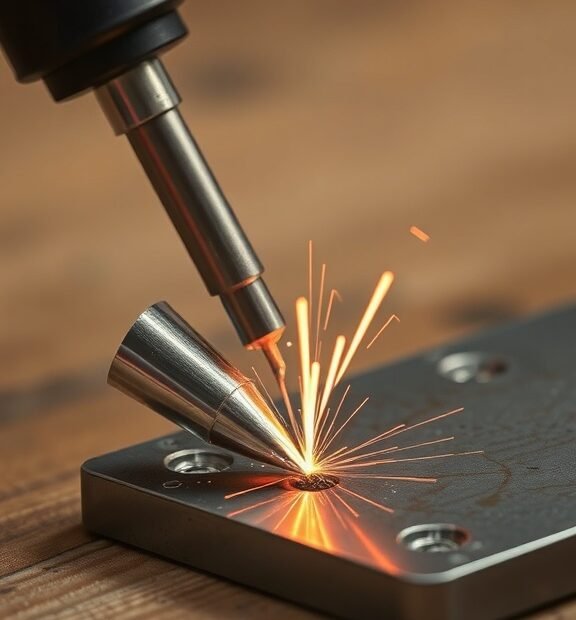
Techniques for Soldering Metal with a Soldering Iron
Soldering is a vital skill used in many hobbies and professions, such as electronics, jewelry making, and metal repairs. Knowing how to solder metal with a soldering iron can open doors to numerous projects. Whether you’re fixing a circuit or creating art, mastering the right techniques will yield impressive results. Here are some effective methods you can use when soldering metal.
Understanding Your Tools
Before you jump into soldering, familiarize yourself with the tools you will need:
- Soldering Iron: Choose one with a wattage between 20 to 60 watts for most tasks.
- Solder: Use lead-free solder for a safer experience. A rosin-core solder works well for electronics.
- Soldering Iron Stand: This keeps your hot iron secure when not in use.
- Soldering Flux: It helps clean surfaces and improve the solder joint.
- Sponge or Brass Wool: Use this to clean the soldering iron tip.
Preparation is Key
Proper preparation enhances your chances of success. Start by cleaning the surfaces you plan to solder. Use a wire brush or sandpaper to remove rust or oxidation, as clean surfaces bond better. If you’re working with wires, strip the insulation back about 1/4 inch before proceeding. Then, apply a small amount of flux to both surfaces you are soldering. This will ensure a better connection and help the solder flow smoothly.
Mastering the Soldering Technique
Follow these steps for effective soldering:
- Heat the Iron: Plug in your soldering iron and let it heat up for a few minutes. A properly heated iron will melt the solder efficiently.
- Tin the Tip: Once the iron is hot, touch the solder to the tip to coat it lightly. This process is known as “tinning” and helps transfer heat more effectively.
- Inspect Your Materials: Align the metal pieces or wires you want to solder. Ensure they touch each other well.
- Apply Heat: Place the tip of the soldering iron against the joint for a second or two. You want to heat both surfaces you are connecting.
- Add Solder: While holding the heat on the joint, touch the solder to the joint—not the iron. The solder should melt and flow into the connection. Remove the solder once you see it saturating the joint.
- Remove Heat: Pull away the soldering iron and allow the joint to cool completely, which usually takes just a few seconds.
Common Challenges and Solutions
Soldering can present some challenges. Here are some tips to overcome them:
- Cold Joints: If the solder appears dull and lumpy, you may not have heated the metal sufficiently. Reheat and add a little solder to improve the connection.
- Insufficient Solder: If you see gaps, it means you didn’t add enough solder. Attempt a second application while heating the joint.
- Burnt Components: Avoid overheating by moving the soldering iron quickly. A gentle touch prevents damage to your components.
Practice Makes Perfect
Remember that practice is essential. Start with simple projects before advancing to more complex tasks. Create small connections or practice soldering wire to wire before tackling circuit boards or larger metal pieces. With time and experience, your skills will improve, and soldering will become second nature.
By honing your soldering abilities, you can enhance your crafting and repair work. Regular practice and using the correct techniques will help you achieve solid, reliable joints. Enjoy your soldering journey!
Essential Safety Tips for Effective Soldering Practices
Soldering is a rewarding skill that allows you to join metal pieces securely, often used in electronics and metalwork. However, it’s essential to prioritize safety while soldering to protect yourself and ensure effective results. Here are essential safety tips to keep in mind for successful soldering practices.
Use Proper Personal Protective Equipment (PPE)
Your safety starts with the right personal protective equipment. When soldering, consider the following protective gear:
- Safety glasses: Protect your eyes from solder splashes and fumes.
- Heat-resistant gloves: Use gloves to shield your hands from hot solder and tools.
- Long sleeves: Wear clothing that covers your arms to reduce the risk of burns.
- Respirators or masks: These are crucial if you are soldering in an area with poor ventilation.
Ensure a Well-Ventilated Workspace
Soldering produces fumes that can be harmful if inhaled. Always work in a well-ventilated area. If you’re inside, open a window or use fans to improve air circulation. Consider using a fume extractor to remove harmful vapors from your workspace. Good ventilation is key to ensuring your health while soldering.
Select the Right Solder and Equipment
Using the correct solder and tools can make a significant difference in your soldering experience. Here’s how to choose wisely:
- Solder type: Choose lead-free solder when possible. It’s more environmentally friendly and safer for your health.
- Soldering iron: Pick an iron with an appropriate wattage. A 25-40 watt soldering iron works well for most applications.
- Soldering tip: Use the right tip for the application. Fine tips are better for small components, while wider tips are suitable for larger surfaces.
Keep a Clean Workspace
Clutter can lead to accidents. Keep your workstation tidy by ensuring you have clear surfaces to work on and that all your tools are organized. A tidy workspace allows you to focus more on the soldering process without distractions, minimizing the risk of accidents.
Stay Focused and Attentive
Your concentration is crucial while soldering. Avoid multitasking and minimize distractions to maintain focus. If you’re feeling tired or distracted, take a break before continuing. Staying attentive to your work will help you avoid mistakes and ensure safety.
Practice Safe Soldering Techniques
Applying the correct soldering techniques can enhance your safety and effectiveness. Here are some tips to keep in mind:
- Heat the joint, not the solder: The metal should be hot enough to melt the solder, rather than placing the solder directly onto the soldering iron.
- Control temperature: Use the soldering iron at the recommended temperature. Overheating can damage components and create more fumes.
- Limit solder use: Use only as much solder as needed to join the metals. Excess solder can cause short circuits in electronic components.
Disconnect Tools When Not in Use
When finished, always unplug your soldering iron or turn it off. This reduces the risk of accidental burns or fires. Make it a habit to put away your tools when you’re done for the day, ensuring everything is stored safely and properly.
Be Aware of Your Surroundings
Awareness of your surroundings is essential when soldering. Ensure that flammable materials are kept away from your workspace. Check for any loose cords or personal items that could pose a trip hazard. By being mindful, you can prevent hazardous situations.
Know Emergency Procedures
Preparation is key. Familiarize yourself with the emergency procedures in case an accident happens. Know the location of the nearest fire extinguisher and how to use it just in case. Quick action can significantly minimize damage and injuries.
By following these essential safety tips, you can ensure a safer soldering experience while achieving excellent results. Remember, safety should always come first when working with tools and materials. Happy soldering!
Conclusion
Soldering metal with a soldering iron is a valuable skill that opens up countless possibilities for repairs, crafting, and DIY projects. Mastering the techniques involved not only enhances the quality of your work but also increases your confidence as you tackle more complex tasks. From understanding the right temperature settings to choosing the proper solder type, each step is crucial in achieving a solid joint. Remember to practice regularly, as the more you solder, the better you’ll become.
Safety should always be a top priority when working with a soldering iron. The heat generated can pose risks, so using protective gear such as safety glasses and heat-resistant gloves is essential. Ensure your workspace is well-ventilated to avoid inhaling fumes, and always keep a fire extinguisher nearby. Properly handling the tools and materials will not only protect you but also ensure the quality of your soldering projects.
As you embark on your soldering journey, don’t hesitate to refer back to these techniques and safety tips. By integrating these practices, you’ll achieve reliable results in your work. Whether you’re crafting electronics, making jewelry, or engaging in metal art, the skills you develop will serve you well. Remember, practice makes perfect. Embrace the learning curve, and enjoy the satisfaction that comes with creating something with your own hands. Happy soldering!