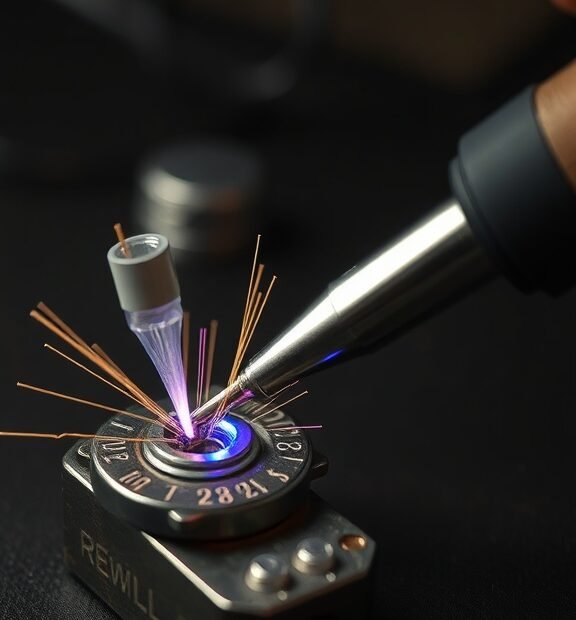
Practical Techniques for Soldering Aluminum with a Soldering Iron
Soldering aluminum can be a bit tricky, but with the right techniques and tools, you can achieve strong joints that hold well over time. Aluminum often requires special care as it does not easily accept solder due to its oxide layer. In this guide, you’ll learn valuable techniques on how to solder aluminum using a soldering iron, which can open up various DIY and repair opportunities.
First, let’s look at the tools and materials needed for effective aluminum soldering.
- Soldering iron (preferably 100 watts or more)
- Aluminum solder (usually around 95% tin and 5% antimony)
- Flux designed for aluminum
- Wire brush or abrasive cloth
- Safety goggles and gloves
Before diving into the actual process, ensure you have a clean working environment. Safety should always come first, so wear protective goggles and gloves. Now, follow these steps to successfully solder aluminum using a soldering iron.
Start by preparing the aluminum surfaces. Use the abrasive cloth or wire brush to clean the area where you want to join the pieces. This step is crucial as it removes the oxide layer that forms on aluminum, allowing better adhesion. Make sure to clean both surfaces that will be joined together, and don’t forget to remove any dirt or grease as well.
Next, apply the flux specifically designed for aluminum to the cleaned surfaces. Flux helps prevent oxidation during the soldering process, ensuring a good bond. Make sure to apply it evenly across the surfaces to ensure full coverage.
Now it’s time to heat up your soldering iron. A high-wattage soldering iron, preferably over 100 watts, ensures you generate enough heat. Aluminum has high thermal conductivity, and it is essential to get the entire area hot enough to melt the solder. Allow the iron to reach its maximum temperature before you proceed.
Once your soldering iron is ready, touch it to the aluminum joint for a few seconds to allow the metal to heat through. After a moment, introduce the solder into the joint. Hold the solder against the joint while keeping the heat from the soldering iron applied. The solder should melt and flow into the joint area. Remember that the aim is to heat the aluminum sufficiently rather than the solder directly.
If you’d like a nice finish, ensure you use just the right amount of solder, allowing it to flow smoothly around the joint without excessive buildup. You can adjust your iron’s position to help guide the solder into the joint. Be patient here, as this is where the quality of your joint begins to form. Once you see the solder flowing, remove the solder and let it cool naturally.
After completing your soldering, allow the joint to cool. It’s important not to disturb it while it’s cooling, as this can lead to a weak bond. Once everything has cooled down completely, inspect the joint visually for any gaps or inconsistencies.
Here are some additional tips to keep in mind while soldering aluminum:
- Ensure your workspace is well-ventilated. Soldering can produce fumes that aren’t good for your health.
- If you encounter any issues with solder not adhering, double-check that the aluminum surfaces are clean and properly treated with flux.
- Practice on scrap aluminum pieces first. This allows you to get the hang of the technique before working on your final project.
Soldering aluminum with a soldering iron might require more effort compared to soldering other metals. However, by preparing your materials, applying the correct techniques, and practicing the process, you can successfully achieve strong joints. Whether you’re repairing electronics or creating intricate aluminum projects, mastering the skill of soldering aluminum opens up a world of possibilities for DIY enthusiasts and professionals alike.
By following these practical techniques, you’re well on your way to becoming skilled in soldering aluminum. Remember, practice makes perfect, so keep experimenting, and you’ll soon find yourself soldering with confidence!
Essential Tools and Safety Tips for Working with Aluminum Welding
When working with aluminum welding, having the right tools and following safety protocols is crucial for achieving clean, strong welds. Whether you’re a hobbyist or a professional welder, understanding these essentials will enhance your proficiency and build your confidence in handling aluminum projects effectively.
Essential Tools for Aluminum Welding
Before you start, gather these important tools that will aid in the aluminum welding process:
- Soldering Iron: A high-quality soldering iron with adjustable temperature settings is key, as it allows you to reach the required heat for aluminum. A temperature of around 350°C (662°F) is often ideal.
- Aluminum Flux: Flux is used to clean the surface of aluminum and improve the flow of solder. It helps protect the joints from oxidation during the heating process.
- Solder: Choose a solder specifically designed for aluminum. Tin-zinc and tin-lead solders are popular choices for aluminum welding.
- Wire Brush: A stiff wire brush helps in cleaning the aluminum surfaces before soldering. Removing debris and oxidation ensures a strong bond.
- Safety Goggles: Protect your eyes from potential splatter and intense light during the welding process.
- Gloves: Heat-resistant gloves are essential to protect your hands from burns while handling hot materials.
- Clamps: Using clamps will hold your aluminum pieces together securely while soldering.
- Heat Sink: A heat sink may be necessary to prevent overheating sensitive components or nearby areas.
Setting Up Your Workspace
Creating a safe and organized workspace is equally important. Here are some tips to ensure your area is ready for aluminum welding:
- Ensure Adequate Ventilation: Welding fumes can be harmful. Work in a well-ventilated area or use exhaust fans to circulate air.
- Clear Clutter: A tidy workspace reduces the risk of accidents. Keep all non-essential items away from your welding area.
- Use a Non-Combustible Surface: Set up your welding station on a fireproof surface to prevent accidental fires.
- Keep Flammable Materials Away: Store flammable materials away from your work area to minimize hazard risks.
Safety Tips for Aluminum Welding
Safety should always be your top priority when welding aluminum. Keep these crucial safety tips in mind:
- Wear Protective Gear: In addition to safety goggles and gloves, consider wearing long sleeves and a welding apron for added protection.
- Check Equipment Regularly: Inspect your soldering iron, tools, and safety gear frequently to ensure they are in good working condition.
- Be Aware of Surroundings: Always be mindful of your surroundings. Ensure no one is in close proximity while you are welding.
- Follow Equipment Instructions: Familiarize yourself with the manuals and instructions for each tool you are using to avoid accidents.
- Take Breaks: If you’re working on a big project, take periodic breaks to stay focused and reduce fatigue.
Post-Welding Care
After completing your welding project, it’s vital to perform the following post-welding care:
- Inspect Welds: Check your welds for any defects or weak points. This ensures the integrity of your work before you proceed.
- Clean Your Tools: Clean your soldering iron and other tools after use to prevent oxidation and prolong their lifespan.
- Store Materials Safely: Store your aluminum materials and tools securely when not in use to protect them from damage or accidents.
By gathering the correct tools and adhering to safety measures, you can enhance your aluminum welding experience. Always prioritize safety, as it is an essential aspect of welding. With proper preparation and attention to detail, your aluminum welding projects can be both efficient and successful.
Conclusion
Successfully soldering aluminum with a soldering iron involves a combination of practical techniques and the right tools, along with strict adherence to safety protocols. You’ve learned that preparing your aluminum pieces is crucial for forming strong, lasting bonds. Cleaning the surfaces with a proper solvent ensures that any dirt or oxidation is removed, allowing for better solder flow. Utilizing a flux specially designed for aluminum is another key step; it aids in the soldering process by preventing oxidation and helping the solder adhere to the aluminum.
Equipping yourself with the essential tools is equally important. A high-temperature soldering iron, an appropriate solder that works well with aluminum, and safety gear including gloves and goggles can dramatically enhance your success rate while keeping you protected. Remember to always work in a well-ventilated area to avoid inhaling harmful fumes.
As you embark on your journey of soldering aluminum, don’t hesitate to practice. Like any skill, proficiency comes with time and experience. Take on smaller projects first, and as you build your confidence, you can move on to larger and more complex applications.
By incorporating these practical techniques and ensuring you have the right tools and safety measures in place, you can tackle aluminum soldering projects with confidence. Engaging in this rewarding craft not only allows you to repair and create items but also opens up new possibilities in DIY projects and repairs around your home. So gather your materials, keep safety at the forefront, and get started on your aluminum soldering adventure!