How to Pronounce Soldering Iron Correctly
Understanding how to pronounce specific terms can enhance your communication, especially if you’re dealing with topics that require precision, like electronics or crafting. One term that often comes up in these contexts is “soldering iron.” This tool is vital for anyone involved in electronics, from hobbyists to professionals. However, many people find themselves unsure of how to say it correctly. Let’s break down the pronunciation and give you some helpful tips to get it right.
The word “solder” has two common pronunciations, which can lead to confusion. In American English, it’s typically pronounced as “sodder” (rhyming with “father”). On the other hand, in British English, you might hear it pronounced as “saw-der.” The pronunciation slightly changes depending on where you are in the world, and both versions are widely understood. After clarifying “solder,” you then move on to “iron,” which is straightforward. It is pronounced like “eye-urn.”
Putting these together, “soldering iron” can be pronounced as:
- American English: “soddering eye-urn”
- British English: “saw-dering eye-urn”
When you start working with a soldering iron, it’s essential to have the right tools and vocabulary. If you’re planning to discuss this tool in front of friends or colleagues, mastering the pronunciation will help you communicate more effectively. It can also reduce any confusion, especially if you’re sourcing parts or tools based on conversations.
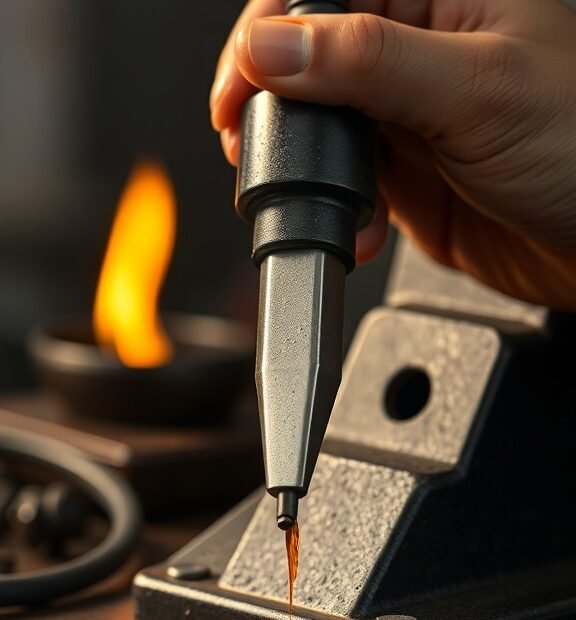
Here’s a bit of background on what a soldering iron is, which can add context if you’re in a discussion. A soldering iron is a hand tool used to melt solder, which is a fusible metal alloy. That’s how you join electrical components and create solid connections. Generally, it consists of a metal tip that gets heated and a handle to hold onto, usually made of plastic or rubber to prevent burns.
While pronunciation is important, knowing how and when to use the soldering iron is just as crucial. Here are a few quick tips for beginners:
- Temperature: Always check the recommended temperature for the solder you’re using, as different types may require specific heat levels for optimal results.
- Safety: Use safety glasses to protect your eyes from solder splashes and work in a well-ventilated area to avoid fumes.
- Technique: When soldering, make sure to keep the tip clean. A dirty tip can lead to poor soldering quality.
- Practice: Try practicing on some scrap materials to build your confidence before working on your actual project.
If you’re still struggling with the pronunciation, try breaking it down into syllables:
- Sol-der-ing
- Eye-urn
Repeating it out loud will help familiarize you with the sounds. You can also listen to pronunciation guides online; many websites feature audio clips of native speakers saying both American and British English pronunciations. This way, you can hear the subtle differences and adjust accordingly.
Moreover, being confident in pronouncing “soldering iron” properly can also bolster your authority in discussing electronics, whether it’s during a casual conversation or a professional meeting. Remember, practice makes perfect. The more you say it, the easier it will become.
In wrapping up, remember that mastering the pronunciation of specific terms can enrich your communication. Being informed about the technical aspects of tools like a soldering iron adds to your craftsmanship and enables you to engage better in discussions. So, the next time you have a project at hand or are chatting about electronics, you can confidently say, “I’m using my soldering iron” without hesitation.
Ultimately, the correct pronunciation of “soldering iron” is not just about saying the words right. It’s a key part of becoming more skilled in your field, whether that’s electronics, crafting or any hands-on work. Remember both pronunciations, practice, and enjoy creating amazing projects with your soldering iron!
Common Mistakes When Using a Soldering Iron
Using a soldering iron can be quite straightforward, but many beginners often make common mistakes that can lead to poor results or even damage to components. Understanding these pitfalls can enhance your soldering skills and help you achieve the best results. Here are some common mistakes to watch out for when using a soldering iron.
Using the Wrong Temperature
One of the most frequent errors occurs when users apply the wrong temperature settings on their soldering iron. A soldering iron that is too hot can damage sensitive components, while one that is too cool can lead to weak or insufficient solder joints. It’s essential to use the correct temperature for your solder type:
- Lead-based solder: Typically around 350°C (662°F).
- Lead-free solder: Generally requires temperatures of around 370°C (698°F).
Make sure you have a soldering iron with adjustable settings, as this will give you more control over your work.
Not Cleaning the Tip
A dirty tip can impair heat transfer and lead to poor solder connections. Many beginners neglect to clean the tip regularly, which can result in uneven melting of solder. To avoid this mistake:
- Use a damp sponge or brass sponge to wipe the tip frequently.
- Consider using tip cleaner paste for stubborn buildup.
Maintaining a clean soldering tip not only enhances performance but also prolongs the life of your soldering iron.
Insufficient Heat Application
Another common mistake is not applying enough heat to both the solder and the item being soldered. It’s essential to heat both surfaces adequately for the solder to flow and bond correctly. To ensure better heat application:
- Place the soldering iron in contact with both the wire and the pad or joint.
- Hold it there for a couple of seconds to allow both surfaces to reach the appropriate temperature.
This practice will help create a strong connection that is less likely to break.
Incorrect Soldering Technique
Using improper soldering techniques can lead to cold joints and unreliable connections. Beginners often make a few key mistakes here:
- Not using enough solder: Adding too little solder can result in a weak joint.
- Overusing solder: Excessive solder could cause shorts or bridges between connections.
- Moving the part too soon: Don’t disturb the joint until the solder has cooled completely to avoid disrupting the connection.
Practicing the right soldering technique will improve the quality and longevity of your connections.
Ignoring Safety Precautions
Soldering can be hazardous if proper safety measures aren’t followed. Many beginners overlook these precautions, which can lead to burns or other injuries. To ensure safety:
- Wear safety glasses to protect your eyes from solder splashes.
- Use a soldering iron on a stable surface and avoid touching the tip.
- Work in a well-ventilated area to avoid inhaling fumes from the solder.
By prioritizing safety, you can prevent accidents and enjoy a safer soldering experience.
Not Testing After Soldering
Many people forget to test their solder joints after finishing. This important step helps identify any weak or cold joints that could fail later on. After soldering:
- Use a multimeter to check for continuity.
- Visually inspect for glistening, smooth joints that indicate proper soldering.
By running these tests, you can address any issues before they become significant problems.
Avoiding these common mistakes when using a soldering iron will enhance your skills and ensure that your projects are successful. Whether you are a beginner or have some experience, being mindful of these pitfalls will make your soldering tasks much smoother and more efficient.
Conclusion
Mastering the pronunciation of "soldering iron" is essential for effective communication, especially for beginners and hobbyists in electronics and crafting. The correct pronunciation ensures you’re understood in discussions with other makers and professionals in the field. Remember, whether it’s “soddering” or "saw-dering," being confident in your speech reflects a good grasp of the craft.
Understanding common mistakes when using a soldering iron is equally important. Proper technique can make a huge difference in your projects’ success. Avoid common pitfalls, such as overheating the components or using the wrong solder type. Consider practicing on scrap materials first to build your confidence and skills before jumping into more complex projects.
With practice, you’ll not only become proficient in handling a soldering iron but also gain the ability to confidently converse about soldering techniques. Whether you’re repairing electronics, working on a DIY project, or simply interested in learning a new skill, honing your pronunciation and technique will guide you towards becoming a better craftsman. Embrace the journey of learning and don’t hesitate to reach out to your fellow soldering enthusiasts for support. Happy soldering!