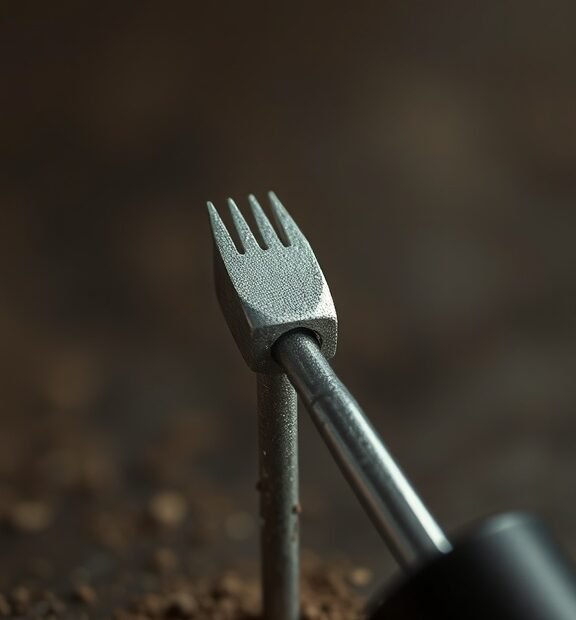
How to Make a Soldering Iron with a Nail: A Step-by-Step Guide
Creating a soldering iron using a common nail is not only a fun DIY project but also a practical solution when you’re in a pinch. This guide will walk you through the steps to make your own soldering iron. You’ll need a few materials, some safety precautions, and patience. Let’s get started!
First, gather your materials. Here’s what you’ll need:
- A metal nail (preferably a larger gauge for better heat retention)
- A battery (9V is ideal)
- Two insulated wires with alligator clips
- A heat-resistant surface to work on
- A soldering wire (optional)
Ensure your workspace is organized and safe. Wearing safety glasses is wise, especially when handling metal and electrical components. Always work in a well-ventilated area.
Soldering Iron Kits & Accessories
Now let’s move on to the steps for making a soldering iron:
-
Prepare the Nail
Start by taking your metal nail and clean it if necessary. If it’s rusty or dirty, it might not conduct heat efficiently. Wipe it down with some rubbing alcohol or a cloth. -
Attach the Wires
Take one wire and connect one end to the nail. You may use a solder to ensure a good connection, but you can also wrap the wire tightly around the base of the nail. Make sure it’s secure. Now, take the other end of the wire and attach it to the positive terminal of the battery. -
Connect the Negative Wire
Grab the second wire and connect one end to the negative terminal on the battery. Ensure it’s tightly connected. This wire will complete the circuit. -
Set Up Your Heat-Resistant Surface
Place the nail on your heat-resistant surface, ensuring it’s stable and won’t roll off. Keep your workspace clear of any flammable materials. -
Test Your Setup
With everything connected, touch the other end of the second wire to the nail. If everything is set up correctly, you will start to see the nail heat up. Be careful—this part can get hot very quickly! -
Start Soldering
Carefully touch the end of your soldering wire to the heated nail. The solder should melt quickly, allowing you to join electronic components easily. If it doesn’t melt, check your connections and battery.
Keep in mind that this homemade soldering iron is limited in its capabilities. It may not reach the same temperatures as a commercial soldering iron, so it’s primarily suitable for small projects or temporary fixes. Additionally, remember to take breaks to prevent overheating the nail.
Soldering Iron Kits & Accessories
Here are some safety tips to keep in mind while using your homemade soldering iron:
- Avoid touching the nail during and shortly after use, as it will be extremely hot.
- Keep children and pets away from your workspace.
- Always unplug or disconnect the battery when not in use to prevent accidental heating.
- Have water or a fire extinguisher nearby, just in case.
Using a nail to create a soldering iron can be a great way to learn more about electronics and heat conduction. Plus, it’s a good temporary solution for small repairs. This project is especially beneficial for beginners who want to dive into basic soldering without investing in expensive tools right away.
Soldering Iron Kits & Accessories
Remember that while this method is convenient, investing in a proper soldering iron may be worthwhile for more extensive projects. It provides better temperature control and safety features. Nevertheless, crafting a soldering iron with a nail can be a valuable learning experience and a handy skill to have.
Whether you’re a hobbyist or just someone interested in electronics, this DIY soldering iron can open up a world of possibilities. Enjoy your soldering journey!
Creative Uses for Homemade Soldering Irons in DIY Projects
A homemade soldering iron can be a versatile tool for your DIY projects, allowing you to save money while enhancing your craftsmanship skills. If you’re eager to explore creative uses for a soldering iron you made from a nail, you’re in for a treat! Below are several ways you can put your homemade soldering iron to good use in your DIY venture.
Soldering Iron Kits & Accessories
Electronics Repair
Your homemade soldering iron can be a lifesaver for fixing electronic devices. Whether it’s a loose wire in your headphones or a broken connection on a circuit board, you can quickly and effectively make repairs. With careful hands, you can rejoin wires and components, helping you prolong the life of your gadgets.
Custom Electronics Projects
For those who love to tinker, your soldering iron is crucial for building custom electronic projects. From assembling kits like Arduino or Raspberry Pi to creating your own circuits, soldering is often needed for making connections. The precision of your homemade tool can help you become more innovative and daring with your designs.
Soldering Iron Kits & Accessories
Crafting and Jewelry Making
Did you know that a soldering iron can help you create unique jewelry pieces? For jewelry makers, soldering is essential for joining metals. Your homemade tool can be used for crafting rings, earrings, or even bracelets. Just be sure to use the right type of solder for the materials you’re working with.
Woodcraft and Pyrography
Another creative use for your homemade soldering iron is in woodcraft. You can use it to enable simple wood burning techniques, also known as pyrography. With a steady hand, you can create intricate designs on wooden surfaces, adding a personal touch to any wooden item. This unique application can enhance your woodworking projects significantly.
Soldering Iron Kits & Accessories
Model Building
Soldering irons are also fantastic for model builders. Whether you’re working on a model train set or miniature cars, soldering can help you fix joints and secure parts together. Using your homemade soldering iron allows for precise applications, which is crucial in the detailed world of modeling.
Repairing Household Items
Sometimes household items can break down and need quick fixes. A homemade soldering iron can assist you in fixing electronics like a broken lamp or faulty toys. This can save you a trip to the store and can make for a fulfilling repair experience.
Soldering Iron Kits & Accessories
Creating Beautiful Designs
Your soldering iron can also help make stunning designs with metals and plastics. By using soldering techniques, you can create various decorative pieces such as wall art or even functional items like bookends. The possibilities are truly endless with just a bit of creativity!
Stationery and Art Projects
If you’re into crafting stationery or other art projects, a soldering iron can add a unique flair. You can use it to seal edges, combine different materials, or even create custom shapes. This could elevate your craft game while allowing you to showcase your artistic talents.
Soldering Iron Kits & Accessories
Safety Precautions to Consider
- Always work in a well-ventilated area to avoid inhaling toxic fumes.
- Use heat-resistant surfaces to prevent accidentally damaging your work area.
- Handle the soldering iron carefully to prevent burns.
- Keep your workspace organized to reduce the risk of accidents.
Creating a soldering iron from a nail is just one step into the wide world of DIY and crafting. By leveraging your homemade tool in various projects, you can push your skills to new heights and cultivate a fulfilling hobby. The more you experiment, the more creative you will undoubtedly become!
So, don’t hesitate to dive into your next project! Whether you’re repairing, crafting, or innovating, a soldering iron—especially one that you’ve created yourself—opens up a world of possibilities. Get started today and see where your creativity takes you!
Conclusion
Making a soldering iron with a nail is a simple and effective project that can open new doors in your DIY endeavors. By following the step-by-step guide, you can create a functional tool that can meet a variety of soldering needs. This homemade soldering iron is not only cost-effective but also a great way to enhance your crafting skills. It serves as an excellent introduction to soldering techniques, enabling you to tackle electronics repairs, create custom jewelry, or even engage in model building.
Soldering Iron Kits & Accessories
Once you’ve successfully made your soldering iron, the fun doesn’t stop there! The versatility of this tool allows for creative applications in various DIY projects. Whether you’re working on electrical components, fixing small gadgets, or even artistic projects requiring soldering, your homemade tool will prove invaluable. You’ll find that having your own soldering iron allows you to experiment with new ideas, leading to exciting creations that reflect your personal style and ingenuity.
With a little practice, you’ll not only become proficient in soldering but will also gain confidence in your ability to adapt and modify tools for your specific needs. The experience of building something from scratch enhances your understanding of not just soldering, but also the broader skills required in craftsmanship. So gather your materials, embrace the process, and watch how making a soldering iron with a nail transforms your DIY experience into something truly rewarding. The creative possibilities are endless, waiting for you to bring your imagination to life!