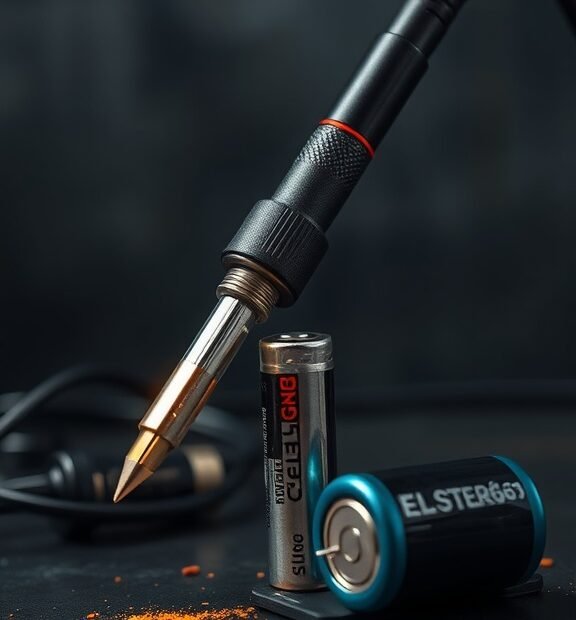
How to Safely Make a Soldering Iron with a Battery
Creating a soldering iron with a battery can be a valuable skill, especially for electronics enthusiasts and DIY hobbyists. Making your own soldering iron allows you to have a portable tool for soldering tasks without the need for a traditional power supply. However, safety must always be a priority during the process. This guide will help you understand how to safely make a soldering iron with a battery.
Materials You Will Need
- A 9V battery
- A copper wire or a piece of copper rod
- Electrical tape
- A small metal tube (for the handle)
- Wires (preferably stranded copper wire)
- A switch (optional)
Step-by-Step Instructions
Step 1: Prepare the Copper Element
The first step is to prepare your copper wire or rod. If using a wire, about 4-6 inches in length is sufficient for the tip of the soldering iron. Strip the ends of the wire carefully, ensuring not to break too many strands, as this will affect conductivity.
Step 2: Attach Wires to the Battery
Next, connect two short pieces of wire to the terminals of the 9V battery. If you’re using a switch, attach one wire to the switch and then connect a wire from the other side of the switch to one terminal of the battery. This step is crucial to make your soldering iron operable without needing to disconnect the battery every time you stop using it.
Step 3: Connect the Copper Wire to the Battery
Now, connect the prepared copper wire to the second terminal of the battery. Use electrical tape to secure the connection, ensuring it’s tight and well-insulated to prevent any accidental shorts. If a switch is in use, connect the other side of the switch to the copper wire, so you can control the power more easily.
Step 4: Assemble the Soldering Iron
Insert the copper wire into the metal tube, ensuring a snug fit. The tube will serve as the handle of your soldering iron. If necessary, use electrical tape to secure the copper wire within the tube. Ensure the copper wire extends out one end of the tube, as this will become the heated tip of the soldering iron.
Step 5: Insulate and Secure Connections
To avoid any mishaps, cover any exposed wire connections with electrical tape. This insulation protects against short circuits and shocks. Always double-check your connections to ensure everything is secure before proceeding.
Testing Your Soldering Iron
Once you’ve assembled your soldering iron, it’s time to test it. Make sure to do this in a well-ventilated area and away from flammable materials. Turn on the switch, if you installed one, and wait for a moment. The copper tip should start to heat up. Test it on a small piece of solder to see if it melts effectively.
Safety Precautions
When making and using your soldering iron with a battery, keeping safety in mind is vital. Consider these precautions:
- Always wear safety goggles to protect your eyes.
- Use gloves to prevent burns from hot surfaces.
- Work on a non-flammable surface and have a fire extinguisher nearby.
- Do not leave the soldering iron unattended when powered on.
- Avoid using the soldering iron on conductive surfaces that may accidentally short out connections.
Summary of Benefits
Crafting your own soldering iron with a battery is not only a cost-effective solution; it also enhances your skills and understanding of basic electronics. You’ll gain better hands-on experience while also having a handy tool at your disposal for projects.
Creating a homemade soldering iron with a battery does involve risks, but by following these steps and prioritizing safety, you can accomplish your goal effectively. Now, you can take on small soldering tasks with a tool that you built yourself!
Essential Tools and Materials for DIY Soldering Projects
When diving into the world of DIY soldering projects, having the right tools and materials at your disposal is crucial for achieving successful results. Whether you’re a beginner or someone looking to enhance your soldering skills, understanding what you need will make your projects easier and more enjoyable. Here’s a detailed look at the essential tools and materials for your soldering endeavors.
Basic Soldering Tools
Your first step is to gather the fundamental tools required for soldering. Here’s a list of what you will need:
- Soldering Iron: The most critical tool, a soldering iron heats up and allows you to melt solder, which joins electrical components. Choose an iron with adjustable temperature settings for flexibility.
- Soldering Iron Stand: This stand keeps your hot soldering iron safely in place when not in use, reducing the risk of burns or damage.
- Solder: Usually made of a mix of tin and lead (or lead-free alternatives), solder comes in various diameters. A thinner solder is better for delicate tasks, while thicker solder works well for heavy-duty projects.
- Solder Flux: This cleaning agent helps improve the connection between metal surfaces by removing oxidation. It prepares the materials for better soldering by making the process smoother.
- Pliers: Needle-nose pliers are useful for gripping small components, bending wires, or cutting excess leads after soldering.
Protective Gear
Safety should always be your top priority. Consider investing in the following protective gear:
- Soldering Safety Goggles: Protect your eyes from solder splashes and bright light emitted during soldering.
- Heat-Resistant Gloves: Wearing gloves can prevent burns and protect your hands from hot materials.
- Dust Mask: A mask can safeguard your lungs from fumes produced by solder and flux.
Additional Soldering Accessories
While the basic tools get you started, some additional accessories can enhance your soldering experience:
- Solder Wick: This copper braid absorbs excess solder, making mistakes easier to fix by allowing you to remove unwanted solder from connections.
- Desoldering Pump: Also known as a solder sucker, this tool is effective for removing solder quickly and efficiently.
- Third Hand Tool: This tool holds your components together while you solder, allowing for better precision and control.
- Heat Gun: Ideal for heat-shrink tubing and thawing frozen joints, a heat gun provides a safe, controlled hot air source.
Workstation Essentials
A proper workspace is just as important as the tools you use. Here’s what you should consider for your workstation:
- Soldering Mat: A silicone mat protects your table and provides a non-slip surface for working on your projects.
- Good Lighting: Invest in a bright, adjustable lamp to illuminate your workspace. Proper lighting is vital for seeing tiny components and solder joints clearly.
- Organization Tools: Use small containers or a toolbox to keep cables, components, and tools organized. A clutter-free workspace minimizes distractions and keeps things efficient.
Electronic Components
Having a selection of components on hand can enhance your soldering projects significantly. Basic components include:
- Resistors: Often used in circuits to control current flow.
- Capacitors: Store and release electrical energy in a circuit.
- LEDs: Light Emitting Diodes that are excellent beginner-friendly components for creating visual indicators.
- Transistors: Useful for amplifying signals in your electronic projects.
- Wires and Connectors: Essential for making clean connections and ensuring your circuit remains intact.
With these essential tools and materials, you are well-equipped to embark on various DIY soldering projects. Remember, the right tools not only make the task easier but also promote safety and creativity. Happy soldering!
Conclusion
Creating a soldering iron with a battery can seem daunting at first, but by following safe practices and having the right tools and materials, you can successfully make one for your DIY projects. Remember that safety should always be your top priority. Wear protective gear like safety goggles and gloves to guard against any accidental burns or fumes. Using a sturdy and heat-resistant work surface ensures you won’t inadvertently damage your workspace or cause hazardous situations.
As you embark on your soldering journey, familiarize yourself with the essential tools and materials required. A battery, a metal rod or old soldering tip, insulated wires, and a sturdy handle are key components. Gathering these items beforehand helps streamline the process, making it more enjoyable and efficient.
With your homemade soldering iron, you can tackle various tasks, from fixing electronics to crafting intricate projects. Embrace the learning experience, and don’t hesitate to practice on scrap materials before moving to more delicate jobs. This practice not only fine-tunes your skills but also builds confidence as you become more adept.
So, whether you’re repairing a device, working on an arts and crafts project, or diving into the world of electronics, a battery-powered soldering iron opens up a world of possibilities. With everything you’ve learned, you’re well-equipped to start your next soldering adventure—safely, efficiently, and creatively. Happy soldering!