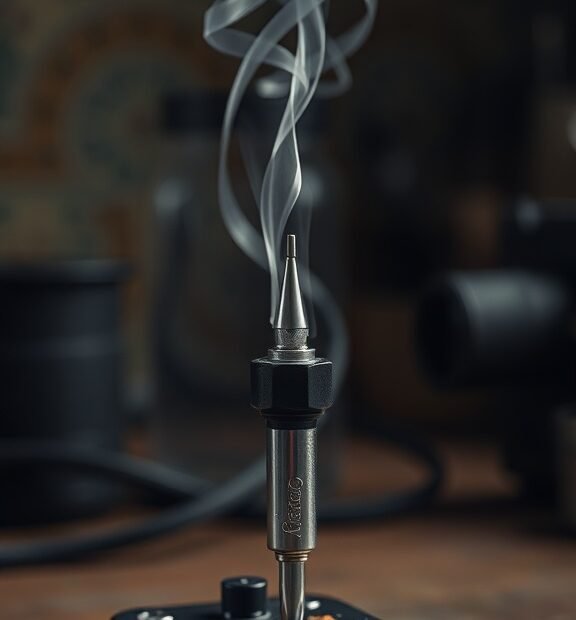
Effective Techniques on How to Make a Soldering Iron Tip
Creating a soldering iron tip might seem challenging, but with the right techniques and materials, you can easily craft a tip that works effectively for your projects. Understanding the basic structure of soldering iron tips will equip you with the knowledge to make one that suits your needs. This guide will walk you through effective techniques to make a reliable soldering iron tip.
Firstly, it’s essential to gather the materials you’ll need. Here’s a list of what you will require:
- Brass or Copper Rod: A brass or copper rod serves as the base material for your soldering iron tip due to their excellent conductivity.
- Sandpaper: A variety of grit sandpaper is needed to shape the tip finely.
- File: A metal file will help in creating a specific shape or angle for your tip.
- Soldering Iron: You’ll need an existing soldering iron to attach your new tip securely.
- Safety Gear: Always wear safety glasses and gloves for protection during this process.
Start by measuring the diameter of your current soldering tip to ensure that the new one fits snugly. This is crucial because improper fitment can cause poor heat conduction and soldering inefficiency.
Once you have your brass or copper rod, cut it to a suitable length using a hacksaw. A good length to start with might be about an inch long, but this can depend on your specific soldering iron model. After cutting, it’s time to shape the end of the rod. Start with the metal file to taper the end into a pointed shape. This point is crucial because it helps in directing heat precisely to the needed area when soldering.
Next, refine the tip’s shape using sandpaper. Start with a coarser grit to smooth down the rough edges made by the file. Progressively move to finer grits to achieve a polished finish. A slick finish will ensure better heat transfer and reduce oxidation when the tip gets heated during soldering.
After crafting your tip, it’s essential to prepare it for use. Clean the tip thoroughly to remove any debris that could interfere with heat conductivity. An effective way to do this is by applying a small amount of solder to the tip before you first use it. This is known as “tinning” and will help improve the performance of your newly made soldering iron tip.
Now, it’s time to attach your new tip to the soldering iron. Ensure that it fits tightly; if it seems loose, you might need to adjust the size slightly more. A snug fit ensures that heat will transfer effectively from the iron to the tip. Once fitted, turn on your soldering iron and let it heat up. It’s advisable to let it warm up for a few moments before you start soldering to ensure that the tip reaches the optimal temperature for work.
Regular maintenance of your soldering iron tip is key to longevity. After each use, clean off any solder residue, as leftover solder can lead to a dull tip. If you notice your tip is becoming oxidized, it may be beneficial to sand it lightly or re-tin to restore its effectiveness.
Making a soldering iron tip involves precision and care. By using materials like brass or copper and following specific steps to shape and attach the tip, you’ll create a reliable tool that enhances your soldering projects. Remember, crafting a soldering iron tip doesn’t just require physical materials; it also calls for an understanding of how to maintain and perfect your tip over time. Consistent care, cleaning, and re-tinning will result in successful soldering experiences, allowing you to create and repair with confidence.
Experiment with different shapes and sizes of tips for various soldering tasks. Over time, you’ll develop a personalized set of tips that cater to your specific needs, making your soldering iron an even more valuable tool in your workshop.
Common Mistakes to Avoid When Making a Soldering Iron Tip
When crafting a soldering iron tip, there are several common pitfalls to avoid. Making a functional and effective tip can greatly impact your soldering experience. Here are some key mistakes that often arise during the process.
Using the Wrong Material
One of the first mistakes is selecting inappropriate materials for your soldering iron tip. Typically, soldering iron tips are made of copper or a copper core plated with iron. Using inferior metals not only affects the conductivity but may also lead to oxidation and reduced lifespan of the tip.
Neglecting Proper Sizing
Choosing the wrong size for the tip can hinder your soldering tasks. A tip that is too large may struggle to apply heat precisely, while a tip that’s too small can lead to overheating and damage to the components you are working with. It’s crucial to ensure that your tip’s shape and size fit the job at hand.
Skipping Cleaning and Preparation
Before starting the soldering process, it is vital to clean and prepare the tip. Failing to clean the tip can lead to contamination, resulting in poor soldering quality. A clean, well-prepared tip will transfer heat more effectively and create better joints. Utilize fine steel wool or a specialized cleaning sponge to ensure the tip is spotless.
Overheating the Tip
Overheating is another common mistake. Excessive heat can damage your soldering iron tip, causing it to deteriorate quickly. Instead of cranking the temperature to the max, find the suitable temperature for your solder type. Keeping the temperature just right will ensure better performance.
Ignoring the Importance of Tinning
Tinning the tip is essential for optimal performance. Tinning refers to the process of coating the soldering tip with a small amount of solder before you start working. If you skip this step, you may encounter oxidation, which will reduce heat transfer, making soldering more difficult.
Not Replacing Worn Tips
Another mistake is continuing to use a worn-out tip. Regularly inspect your soldering iron tips for signs of wear, such as discoloration or damage. Using a tip past its prime can result in longer soldering times and poor-quality joints. Always have a backup tip handy to ensure your projects can progress smoothly.
Disregarding Soldering Technique
Your technique while soldering also impacts the performance of the tip. Some may press too hard or leave the tip on the joint for too long, which can lead to dulling. Instead, apply just enough pressure to ensure good contact while quickly removing the tip after the joint is complete.
Failing to Store Properly
How you store your soldering iron when not in use can greatly affect the longevity of the tips. Leaving the soldering iron turned on for extended periods causes the tip to oxidize and wear down. Turn off the iron when not in use, and store it in a protective case or on a safe stand to prevent accidental damage.
Ignoring Manufacturer Recommendations
It’s crucial to follow the manufacturer’s guidelines for your soldering iron and its tips. Not all soldering tips are created equal, and using non-compatible tips can result in poor performance. Refer to your device’s manual to select the right tips suited for your soldering iron.
Correcting Common Mistakes
To help you further, here’s a quick checklist to avoid these mistakes:
- Select materials that are either copper or plated with iron.
- Choose the right size based on your specific needs.
- Always clean and prepare your tip before soldering.
- Avoid overheating by controlling the temperature.
- Tin your tip before starting to increase longevity.
- Inspect tips regularly and replace worn ones.
- Practice good soldering technique to prolong tip life.
- Store your soldering iron safely when not in use.
- Follow the recommendations in your soldering iron’s manual.
By being mindful of these common mistakes, you can enhance your soldering skills effectively. A well-crafted soldering iron tip contributes to achieving better results in your projects, making the entire process more enjoyable and efficient.
Conclusion
When it comes to making a soldering iron tip, mastering effective techniques is essential for achieving optimal results. Whether you’re crafting a new tip from scratch or reshaping an old one, focusing on the right materials and methods will enhance your soldering experience significantly. Utilizing the proper heating techniques, ensuring a clean surface, and applying solder correctly will not only improve tip durability but also make your soldering work more precise and efficient.
As you embark on this DIY journey, being aware of common mistakes to avoid can save you time and frustration. Misestimating the size of the tip or neglecting to properly clean the metal can lead to subpar performance, making your soldering tasks more challenging. Other pitfalls, such as overheating the tip or using the wrong solder, can create lasting damage and impact your projects negatively.
By equipping yourself with the knowledge of how to make a soldering iron tip effectively and steering clear of frequent errors, you can elevate your craftsmanship in no time. Remember, practice makes perfect, so don’t hesitate to revisit your techniques and refine your process. With patience and attentiveness, you’ll soon be crafting soldering iron tips that meet your every need, allowing you to tackle any project with confidence and skill. Happy soldering!