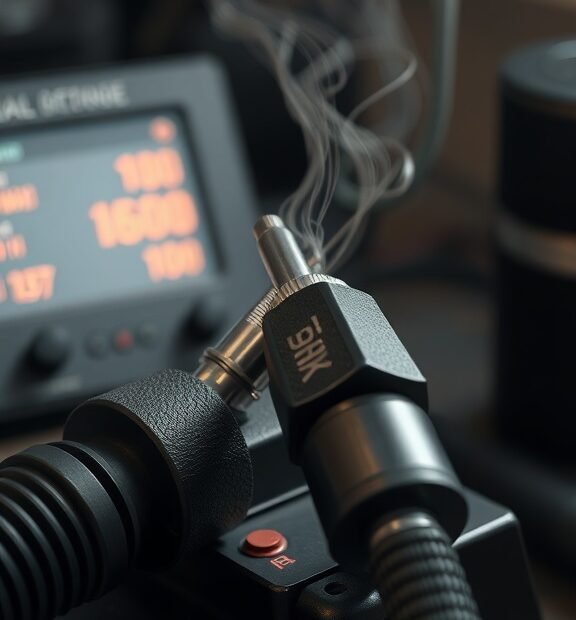
Understanding the Signs: How to Know When a Soldering Iron is Ready
Soldering is an essential skill for electronics enthusiasts, hobbyists, and professionals alike. Using a soldering iron effectively requires understanding how to determine when it is ready for use. Knowing when your soldering iron reaches the appropriate temperature affects the quality of your solder joints. Here are some crucial signs to look for that indicate your soldering iron is ready to go.
Visual Indicators
The first way to tell if a soldering iron is ready is through visual cues. Pay attention to the soldering tip. A well-maintained tip should shine and be free of oxidation. If the tip looks tarnished or dirty, it may need cleaning before use. This helps ensure a good thermal transfer and better soldering quality.
Temperature Readiness
Most soldering irons take a few minutes to heat up. The exact time can vary depending on the wattage of the iron. Typically, a soldering iron will be ready in about 1 to 5 minutes. Use a thermometer if you want to be precise. The ideal temperature for soldering electronic components generally falls between 350°C to 400°C (662°F to 752°F).
Sound Cues
Listen carefully when your soldering iron is heating up. A constant humming sound may indicate that the internal heating element is working effectively. If you hear clicking or abrupt interruptions in sound, this might suggest that the soldering iron is struggling to maintain the right temperature.
Checking the Solder
One practical way to confirm your soldering iron is ready is to test it with a small amount of solder. Here are steps to follow:
- Place a small piece of solder wire near the tip of the iron.
- Observe how quickly the solder melts.
- If the solder melts quickly and flows smoothly, the iron is ready.
- If the solder takes too long to melt or does not melt at all, the iron may not be hot enough.
Using Your Soldering Iron Properly
Another technique to ensure that your soldering iron is ready involves checking the temperature stability. Once the iron has heated, hold it in place for a few seconds before soldering. If it cools down rapidly, this could indicate an issue with the iron or its performance.
Safety Considerations
Always remember that safety is paramount when working with a soldering iron. Before you start soldering, ensure that the iron is on a stable, heat-resistant surface. Always use a stand to hold the iron when not in use to prevent burns or accidental fires. Wear safety glasses to protect your eyes from solder splashes as well.
Maintaining Your Soldering Iron
Proper maintenance also plays a vital role in knowing when your iron is ready. Regularly clean the tip with a damp sponge or brass wool to keep it free of debris and oxidation. Store your soldering iron in a safe place away from moisture again to prolong its life and maintain performance.
Understanding the signs of a soldering iron that is ready for use can greatly enhance your soldering projects. From visual and temperature cues to practical tests with solder, these tips will help you work efficiently and safely. Remember, a well-maintained soldering iron not only ensures better solder joints but also contributes to the smooth progress of your electronic projects. With these guidelines, you’ll be well-equipped to assess the readiness of your soldering iron and tackle your next project with confidence.
Common Soldering Iron Mistakes and How to Avoid Them
The world of soldering can be incredibly rewarding, but it also comes with its own set of challenges. Many beginners, and even seasoned professionals, can find themselves making common mistakes that can impact the quality of their work. Understanding these mistakes and knowing how to avoid them is crucial for successful soldering and for ensuring your projects stand the test of time. Here are the common pitfalls and how to steer clear of them.
Using the Wrong Temperature
One of the most vital aspects of soldering is maintaining the right temperature. If your soldering iron is too hot, you risk damaging components. If it’s too cool, the solder won’t melt correctly. Here’s how to find the right temperature:
- Check the specifications of the solder you’re using. Most lead-free solder operates well between 350°C-400°C (662°F-752°F).
- Remember to let your soldering iron heat up for a few minutes before starting; a good rule of thumb is to wait about 5-10 minutes.
- Invest in a soldering iron with adjustable temperature settings for more control.
Neglecting to Clean Your Iron
A clean soldering iron tip is essential for effective soldering. Oxidation can build up on the tip and reduce heat transfer, leading to poor solder joints. To keep your iron in top condition:
- Use a damp sponge or brass wool to wipe the tip frequently.
- Tin the tip with solder before and after use to create a protective layer.
- Regularly inspect the tip and replace it if necessary.
Applying Too Much Solder
Too much solder can create a messy joint, potentially causing shorts or weak connections. Instead of just dumping solder on, try these techniques:
- Apply solder to both the wire and pad simultaneously for a more controlled join.
- Use the right size of solder; often, a smaller diameter works best for fine electronics.
- Focus on the joint, not the solder. It’s more about the connection than the amount of solder.
Holding Components Incorrectly
When soldering, the positioning of your components matters. Improperly held components can shift as you solder, leading to poor connections. Follow these guidelines:
- Use a third-hand tool or clamps to hold your components in place securely.
- Ensure that the leads and pads align perfectly before applying heat.
- Practice good hand positioning to keep everything steady while soldering.
Forgetting to Heat Both Parts
Sometimes, beginners might only heat one part when soldering, which can lead to weak joints. Always remember to heat both the wire/component and the PCB pad. Here’s how:
- Position the soldering iron directly on the joint to heat both surfaces simultaneously.
- Feed solder into the joint only when both parts are heated adequately.
- Be patient; don’t rush the process to avoid cold joints.
Ignoring Safety Precautions
Soldering is not without its dangers. High temperatures and the presence of lead in some solder types can pose health risks. To stay safe:
- Always wear safety glasses to protect your eyes from solder splashes.
- Work in a well-ventilated area to avoid inhaling fumes.
- Use lead-free solder whenever possible, especially for projects involving electronics.
By understanding these common soldering iron mistakes and learning how to avoid them, you can improve your skills and enjoy greater success in your soldering projects. Remember, practice makes perfect, and being mindful about your technique will lead to better connections and stronger joints. Stay patient, and most importantly, enjoy the process of creating with solder!
Conclusion
Knowing when your soldering iron is ready is crucial for achieving optimal results while working on electronics. By paying attention to visual indicators like the glowing tip, the absence of oxidation, and the iron’s temperature, you can confidently proceed with your soldering tasks. Remember, patience is key; allowing your iron to reach the necessary temperature before soldering is essential for clean, reliable joints.
Common mistakes can easily derail your soldering project. Overheating the iron or attempting to solder too soon can compromise the quality of your work and damage components. Always ensure that you’re using the right temperature setting for your specific project. This helps prevent issues like burnt connections or weak solder joints. Additionally, keeping your soldering iron clean and tinned will support its efficiency and prolong its lifespan.
By understanding the readiness of your soldering iron and avoiding these common pitfalls, you can enhance both your skills and the quality of your work. Whether you’re a beginner or a seasoned hobbyist, mastering these basics ensures that your soldering tasks are successful every time. Next time you pick up your soldering iron, take a moment to assess its readiness and reflect on these tips to make your soldering experience smoother and more effective.