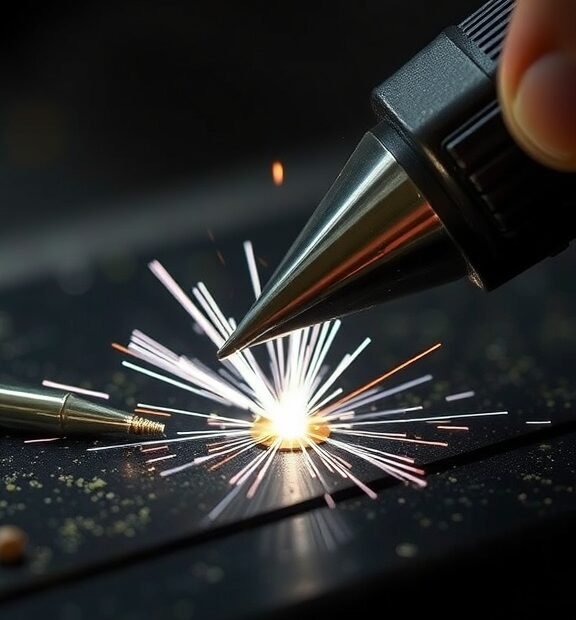
Effective Techniques for Keeping Your Soldering Iron Tip Clean
Keeping your soldering iron tip clean is vital for achieving high-quality solder joints and ensuring the longevity of your tool. A clean tip will transfer heat better and produce stronger connections, which are essential for any soldering project. Here are some effective techniques to maintain a clean soldering iron tip.
Regularly Clean the Tip
Cleaning your soldering iron tip regularly is the foundation of maintenance. You can use a wet sponge or a brass cleaning pad. Here’s how:
- Wet Sponge: Moisten a damp sponge and keep it near your soldering station. Whenever you finish a joint or notice a buildup, gently wipe the tip on the sponge. The moisture helps remove oxidation and excess solder.
- Brass Cleaning Pad: This is an excellent alternative to sponges. The brass surface will clean the tip without introducing moisture, reducing the risk of thermal shock.
Use Flux Effectively
Another way to keep your soldering iron tip clean is by using flux during your soldering work. Flux helps to prevent oxidation of the tip. Here’s how you can leverage flux:
Soldering Stations | Easy 60 Day Return
- Apply before Soldering: Dip your solder or wire into rosin flux before applying heat. This not only cleans the soldering tip but also assists in the flow of solder, ensuring better joints.
- Post-Solder Cleaning: After you finish soldering, wipe off any residual flux. While flux helps clean the tip during soldering, it can leave a residue that can later oxidize.
Avoid Overheating
Overheating the soldering iron can lead to oxidization and damage the tip. To prevent overheating, consider these points:
- Adjust the Temperature: Many soldering tools come with adjustable temperature settings. Use a lower heat setting that still effectively melts solder, which is usually around 350°C (662°F) for most electronics.
- Turn Off When Not in Use: If you’re taking a break or have finished your project, turn off the soldering iron to avoid prolonged heat exposure.
Use Tinning Technique
Tinning is a method of applying a thin layer of solder to the tip of the soldering iron. This helps protect the tip from oxidation and makes it easier to solder effectively. Here’s how to tin your soldering iron:
Soldering Stations | Easy 60 Day Return
- Heat the soldering iron to its operating temperature.
- Apply a small amount of solder directly to the tip. Allow it to melt and spread evenly.
- Wipe any excess solder off on a damp sponge or brass cleaning pad, leaving a thin layer on the tip.
Check for Corrosion
Corrosion can occur if the tip is not properly maintained. Regular inspections reveal hidden issues. Here are some steps to detect and deal with corrosion:
- Visual Inspection: Look for any discoloration or rough surfaces on the tip. If you notice these, it’s time for a thorough cleaning or possibly replacing the tip.
- Sand if Necessary: For stubborn corrosion, lightly sand the tip with fine sandpaper or a file, but be cautious not to damage the iron itself.
Store Properly
How you store your soldering iron affects its cleanliness. Follow these tips:
Soldering Stations | Easy 60 Day Return
- Use a Stand: Always place your soldering iron in a stand when not in use instead of leaving it on the workbench. This reduces the risk of contact with debris.
- Cover the Tip: If possible, place a protective cover over the tip when storing long-term to guard against dust and moisture.
By following these effective techniques, you can keep your soldering iron tip clean, improving performance and extending the lifespan of your tool. A clean tip not only benefits your soldering projects but also increases your efficiency and reduces frustration. Make these cleaning practices a regular part of your soldering routine for optimal results.
Common Mistakes to Avoid When Maintaining Soldering Iron Tips
Maintaining your soldering iron tip is essential for achieving high-quality soldering work. However, there are common mistakes that many people make that can lead to a damaged or ineffective tip. Recognizing and avoiding these pitfalls can extend the life of your soldering iron tip and improve your overall soldering experience.
Using the Wrong Cleaning Method
One of the biggest mistakes is using an improper cleaning method. Many beginners might think that scraping the soldering iron tip with a knife or metal object is effective. In reality, this can scratch the delicate coating of the tip, causing it to deteriorate rapidly. Instead, opt for dedicated cleaning tools like brass sponges or damp sponges designed for soldering tips. These options clean the tip without causing damage.
Soldering Stations | Easy 60 Day Return
Neglecting Regular Maintenance
Failing to regularly clean your soldering iron tip is another common error. After each use, it’s important to give your tip a quick clean. Build-up from oxidation and solder can affect its performance. Set a routine where you check your iron at the start and end of your soldering sessions. This will ensure you’re always starting with a clean tip, leading to better soldering results.
Ignoring Temperature Control
Excessively high temperatures can lead to oxidation, while very low temperatures can cause solder to not flow correctly. This is a balancing act. If you always use high heat, your tip will oxidize quickly. Conversely, if your soldering iron isn’t hot enough, you can end up using more solder than necessary or having cold joints. Finding the right temperature for your specific task is critical for optimal tip performance.
Soldering Stations | Easy 60 Day Return
Not Tinning the Tip Properly
Tinning, or coating the tip with solder, is another critical step that many forget. A well-tinned tip protects against oxidation and enhances heat transfer. To tin your tip, heat it up and apply a small amount of solder directly to it. Make sure the solder flows evenly around the surface of the tip. This simple process can go a long way in prolonging your soldering iron’s lifespan.
Using Low-Quality Solder
The quality of the solder you use can significantly impact the wear on your soldering iron tip. Low-quality solder often contains impurities that can contribute to faster oxidation or leave residue on the tip. Investing in high-quality solder can save you money in the long run, as it helps maintain a clean tip and reduces the frequency of maintenance.
Soldering Stations | Easy 60 Day Return
Overheating the Tip While Idle
If you leave your soldering iron on for long periods without using it, you’re making a mistake. Prolonged overheating can lead to a dead tip, which no longer retains heat effectively. If you need to step away, consider placing your iron in a stand that keeps it hot and away from contact with surfaces. If you are taking a longer break, turn it off to prevent unnecessary damage.
Neglecting to Replace Worn Tips
Every soldering tip has its lifespan, and ignoring signs of wear can lead to significant problems down the line. Keep an eye out for tips that are severely worn down or corroded. If you notice irregularities in shape or size, it may be time to invest in a replacement. A worn tip won’t transfer heat as efficiently and will lead to poor soldering quality.
Soldering Stations | Easy 60 Day Return
Inconsistent Temperature Settings
Using a soldering iron with inconsistent temperature settings can cause unwanted problems. Essentially, you want a steady temperature for reliable soldering. If your iron fluctuates wildly, consider using a higher-quality soldering station that allows for precise temperature control. This ensures that you can maintain a steady heat, making your work more reliable.
Skipping Protective Measures
Not using protection can lead to damage. Investing in a suitable soldering iron stand and using a fume extractor can not only protect your tip but also enhance your safety while working. A good stand prevents overheating of surfaces, while an extractor removes harmful fumes, which is essential for maintaining a healthy working environment.
Soldering Stations | Easy 60 Day Return
By avoiding these common mistakes, you can keep your soldering iron tips clean and functional for a longer time. This not only improves the quality of your soldering work but also saves you the hassle and costs associated with frequently replacing tips. Prioritize maintenance and proper handling to ensure that your soldering iron serves you well in your projects.
Conclusion
Maintaining a clean soldering iron tip is crucial for achieving precise and quality soldering work. By employing effective techniques such as regularly cleaning with damp sponges or brass wool, you can ensure optimal heat transfer and minimize oxidation. It’s also vital to season your tips with solder to create a protective layer that enhances longevity.
While these methods are practical, avoiding common mistakes is equally important. Skipping regular cleaning can lead to buildup, which may compromise your solder joint quality and can even damage your tip over time. Using inappropriate cleaning tools or methods, like sandpaper or aggressive scrubbing, can also wear down your soldering iron tip faster than you might expect. Additionally, neglecting to store your soldering iron properly when not in use can lead to premature oxidation, causing further issues down the road.
Soldering Stations | Easy 60 Day Return
By adopting good practices and being mindful of potential pitfalls, you can extend the life of your soldering iron tip significantly. This not only enhances your soldering performance but also helps you work more efficiently. Remember, a well-maintained soldering iron leads to better results, making your projects easier and more enjoyable. Taking just a few moments to clean your tip can save you time and frustration in the long run. Make these practices a habit, and you’ll find that your soldering endeavors become much more rewarding.